Tuareg Rally, Day 7: Service Teams In Exile

There are those who like to drive at night: often there’s less traffic and less hassle. When you’re well-rested and driving on a well-maintained divided highway, it’s not so bad. You can make good time, and the people you meet at regular rest stops are at least interesting, if not actually friendly. The route we were taking through Morocco wasn’t like that at all.

When the alarm woke us up at 12:30 am, the lights had been turned down in the hotel lobby and there were fewer people huddled in groups talking than when we’d crashed on the sofas an hour and a half before. We got our things together and were quickly underway, Eduouard and Pascal in the Rubicon and the two of us in the MAN KAT. We didn’t have a map of Morroco loaded in the GPS, since we’d mostly been navigating using coordinates and a cap, and it wasn’t as easy to find the turn onto the narrow two-lane highway as it had been in daylight on the way down. For a while we weren’t sure we were on the right route. The milestones were set back farther from the road and more difficult to read in the dark than usual.

There was a surprising amount of traffic, and we passed a number of cars in the oncoming direction. The road was narrow and the MAN KAT’s original headlights didn’t carry very far; we had to remain alert. The plan was to drive relatively slowly to reduce the risk of running headlong into an unseen danger. At 60 km/hour, we’d have time to react in case of something unexpected. Even at this speed, sometimes we’d come up behind a slow-moving car or truck without rear lights, and once we had to brake suddenly for a van that had parked on the road without actually pulling over, the two right tires barely off the pavement on the shoulder. Twice we had to slow down even more as we passed through banks of dense fog, where the visibility was no more than a few tens of meters at best.

After an hour or so the traffic dwindled, and it seemed that we were the only ones left on the road. From time to time we’d see an animal, usually a hedgehog, crossing the road in front of us, and once we drove past two hitchhikers with a few sheep who tried to flag us down. These are the critical moments: fighting sleep, struggling to concentrate. Every two hours, or when one of the drivers started to feel tired, he’d get on the radio, and we’d find a place to park safely away from the road for a 15-minute “power nap.” When the iPhone alarm went off, we’d set out again. In this way, we made our way north to Nador arriving on the outskirts of town just as the sky started to lighten.

We stopped at the first open gas station we saw to fill the tanks and grab the only coffee of the trip. Pierre and Corine stopped there too, having passed us on highway along the way during the wee hours of the morning. After our improvised breakfast, we all started out together toward Melilla to pass customs and take our places to board the ferry. The process wasn’t exactly the same as when we’d arrived, but it didn’t feel very different or take much less time.

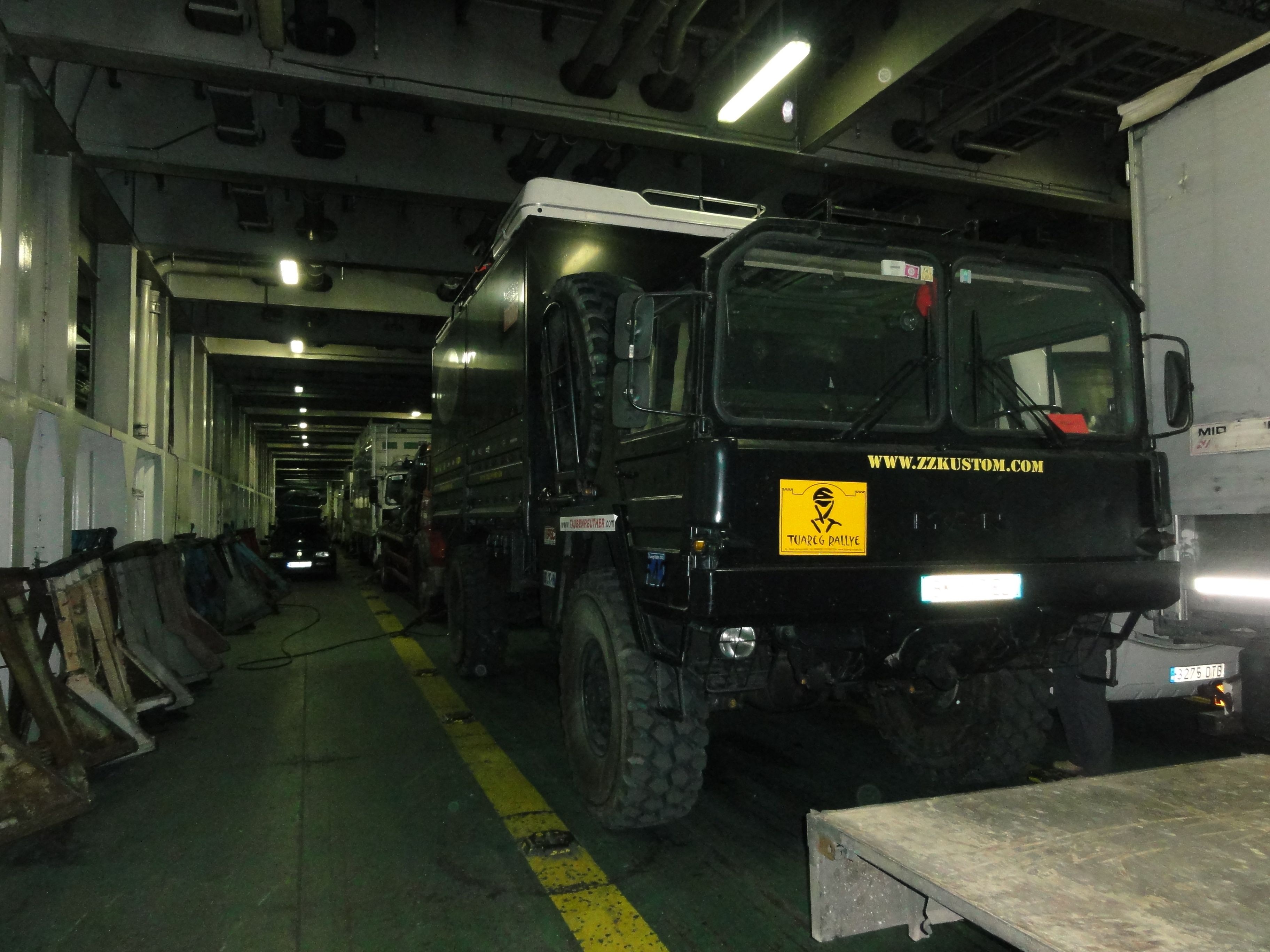
By the time we’d gotten through customs, found the ferry terminal, and exchanged our tickets for boarding cards, we didn’t have long to wait until the controller motioned for us to drive into the hold. We’d timed things perfectly. Once we’d gotten the key to our cabin and stowed our belongings, we went out on deck under overcast skies to take one last look at the African continent.

Once the ferry was underway, we had lunch. The crossing took only about six hours, but we still had a time for a hot shower and a welcome nap. When we woke up, we were just off the coast of Spain.

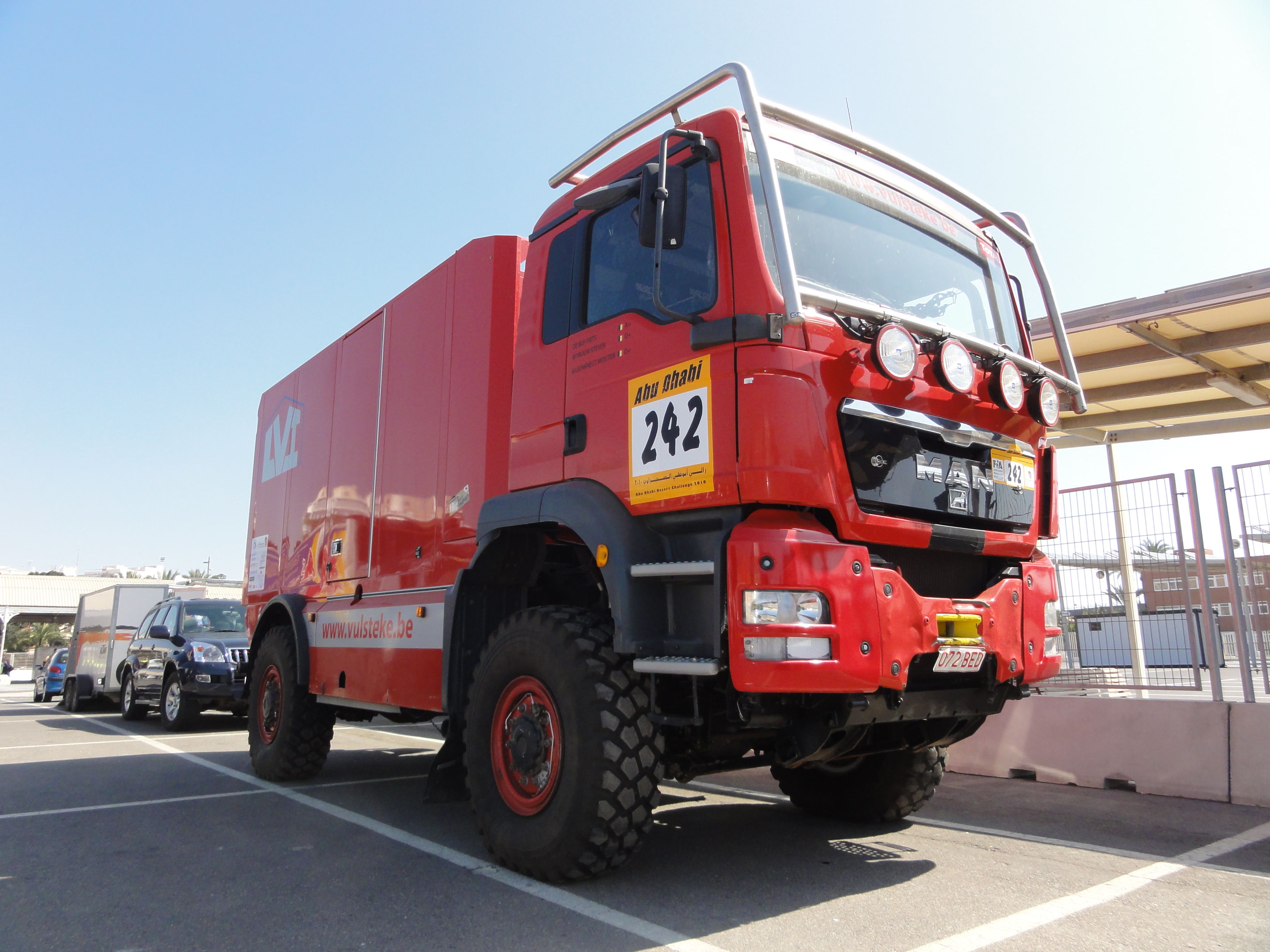
It felt as if the Rally were over. The competitors had over 350 km to drive that day, with a fast stage and two specials. For us, it was time for rest once the boarding was completed. There weren’t many other service teams on the ferry with us. We’d heard at the briefing in Missor that some of the teams had serious technical problems and wouldn’t be able to continue the race without their service vehicles close by during the day so the Orga had managed to find some extra space for them on the overnight ferry the competitors were taking. That ferry didn’t leave Nador until several hours after our arrival in Alméria. We were cut off from all the action and from the rest of the group.

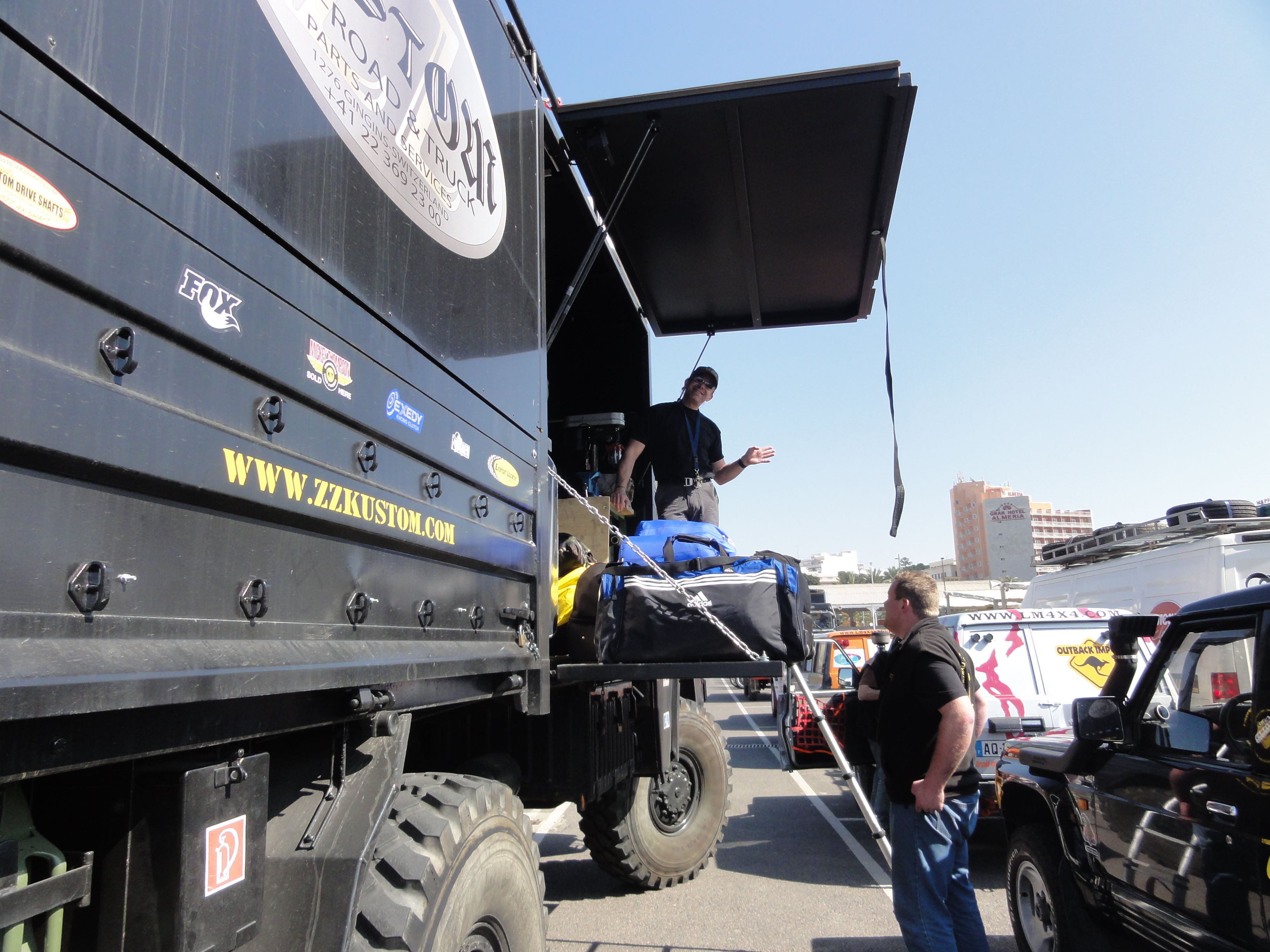
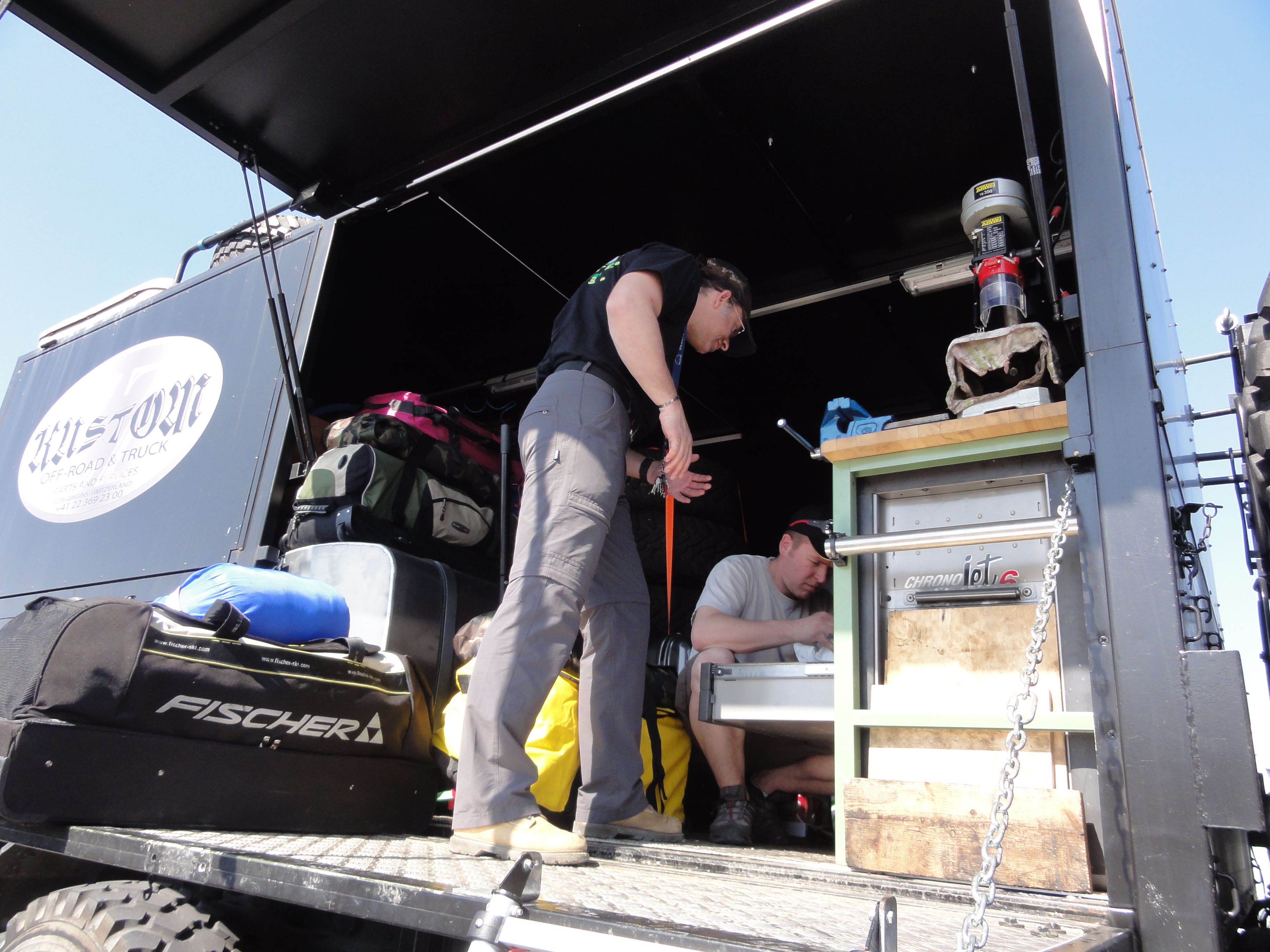
What would we do overnight while waiting for our teams to arrive at the port the next morning? Unbeknownst to us, Rainer had already reserved rooms for us in the hotel on the beach front at the Finish in Mojácar, but he’d forgotten to tell us at the briefing and Mojácar was over 100 km away. We needed to meet our race drivers at the port in case they needed service in the morning, so it didn’t occur to us to press on to the Finish once we’d finished debarking.

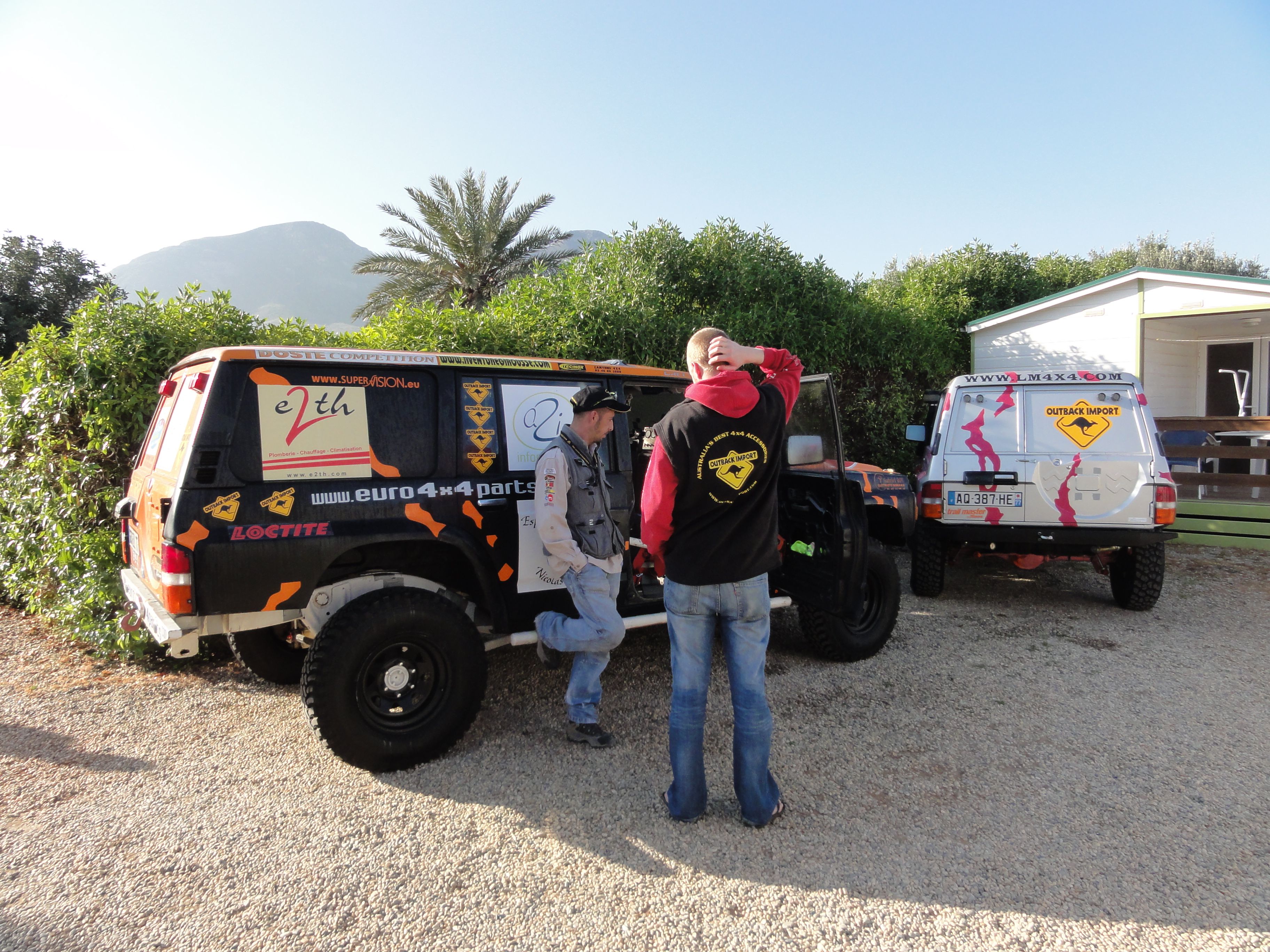
We set out for the campground not far away where we’d stayed on the drive down. We got there in time for dinner before the restaurant closed and then headed straight to bed. With the fatigue and the feeling of distance everyone seemed tense, so we were happy to crawl into bed in the bungalow for the first full night of sleep we’d had since the rally started.

Delayed Posts From Tuareg Rally 2012

Welcome to everyone coming to look for new posts about the Tuareg Rally!

It’s been a few days since we’ve been able to add anything new. There are two more posts on the way to reach the end of our story. We’ve also got lots of unpublished photos and some video, which we’ll try to get up as soon as possible too.

Unfortunately, since our return we’ve had a few distractions as well as a nasty flu that makes it hard to feel like writing or curating photos.

We’re sorry about that. With luck, we’ll be able to get everything up in the next week or two, so please check back in a few days.

Don’t hesitate to leave us a comment or send a question.

Tuareg Rally, Day 6: Return To Missor

It seemed we’d hardly stayed long enough to enjoy the dunes around Merzouga when it was already time to pack up and leave. On 6th day of the Rally, we began the long trek toward the Finish in Mojácar, the first leg retracing our route over 400 km from Merzouga back to Missor.

The Road Book took the competitors through a short stretch of dunes in the Erg Chebi, and then led them north on dirt tracks with several liaisons over stretches of paved highway. The service route ran closely parallel, so we packed up camp and set out before the official start in hopes of arriving at the photo points in time to get some pictures of the action.

We got as far north as Erfoud when Stéphane called. They needed assistance near the Start, so Edouard and Pascal went back in the Rubicon while we waited for them with the MAN KAT in the village. We changed a worn tire on the trailer while waiting, and took advantage of the good Internet connection at the Hotel Riad Salam to post some news on the blog.

By the time Edouard and Pascal got back, we’d lost two hours and ended up well behind all our race drivers. There wouldn’t be any exciting pictures for us today. Since the liaisons were over some of the same roads as the service route, we were overtaken from time to time by the cars and motorcycles that were farther behind than the leaders of the day.

We skipped the first CheckPoint, but stopped at the second one to check the progress of the race. All of our drivers had already passed through, so there wasn’t much to do but get back in the truck and keep driving.

The road took us through Errachidia, which in addition to a military base, is home to a large student population, with a spacious campus for the Faculty of Science and Technology, as well as the National Institute for Agronomic Research, visible from the road through town.

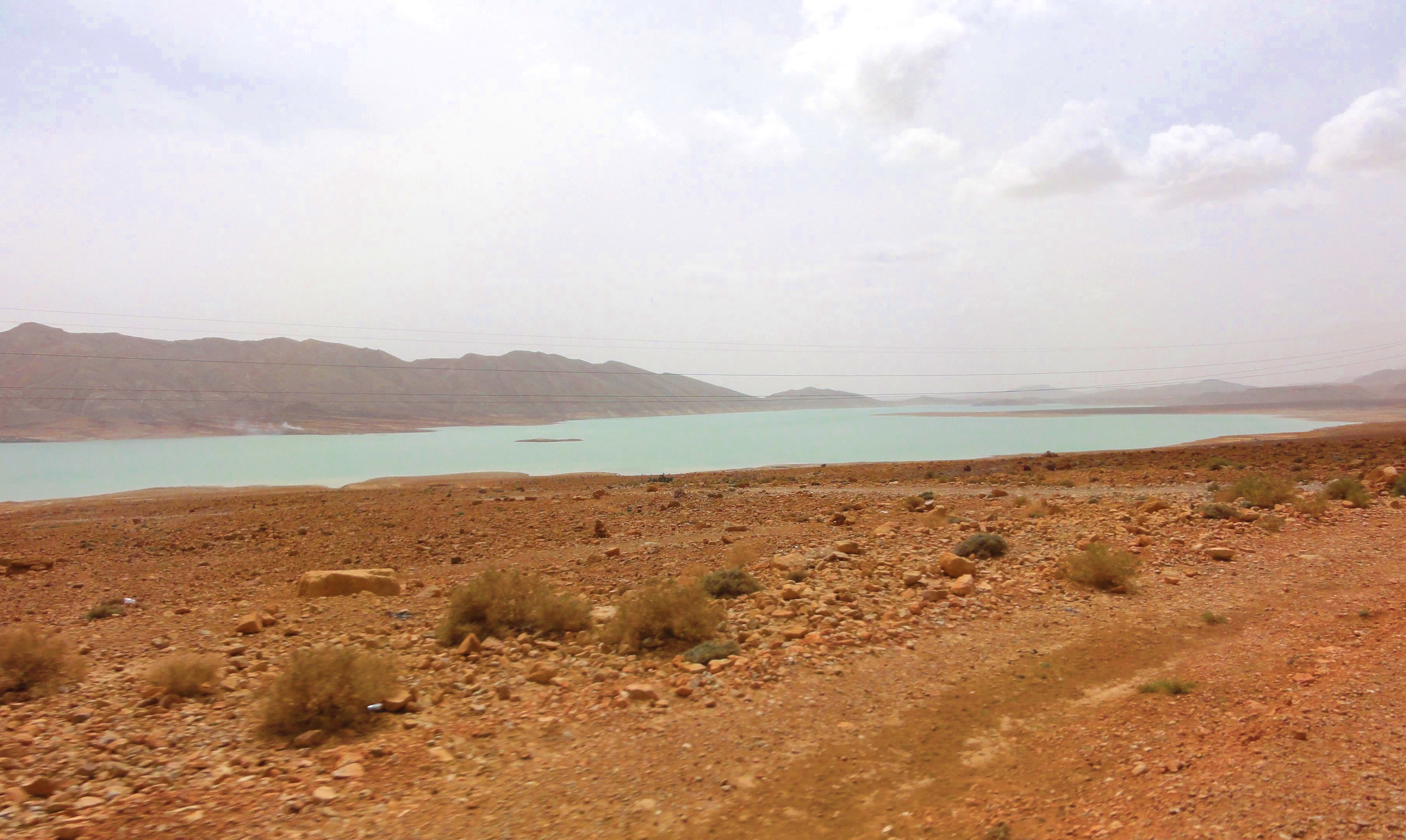
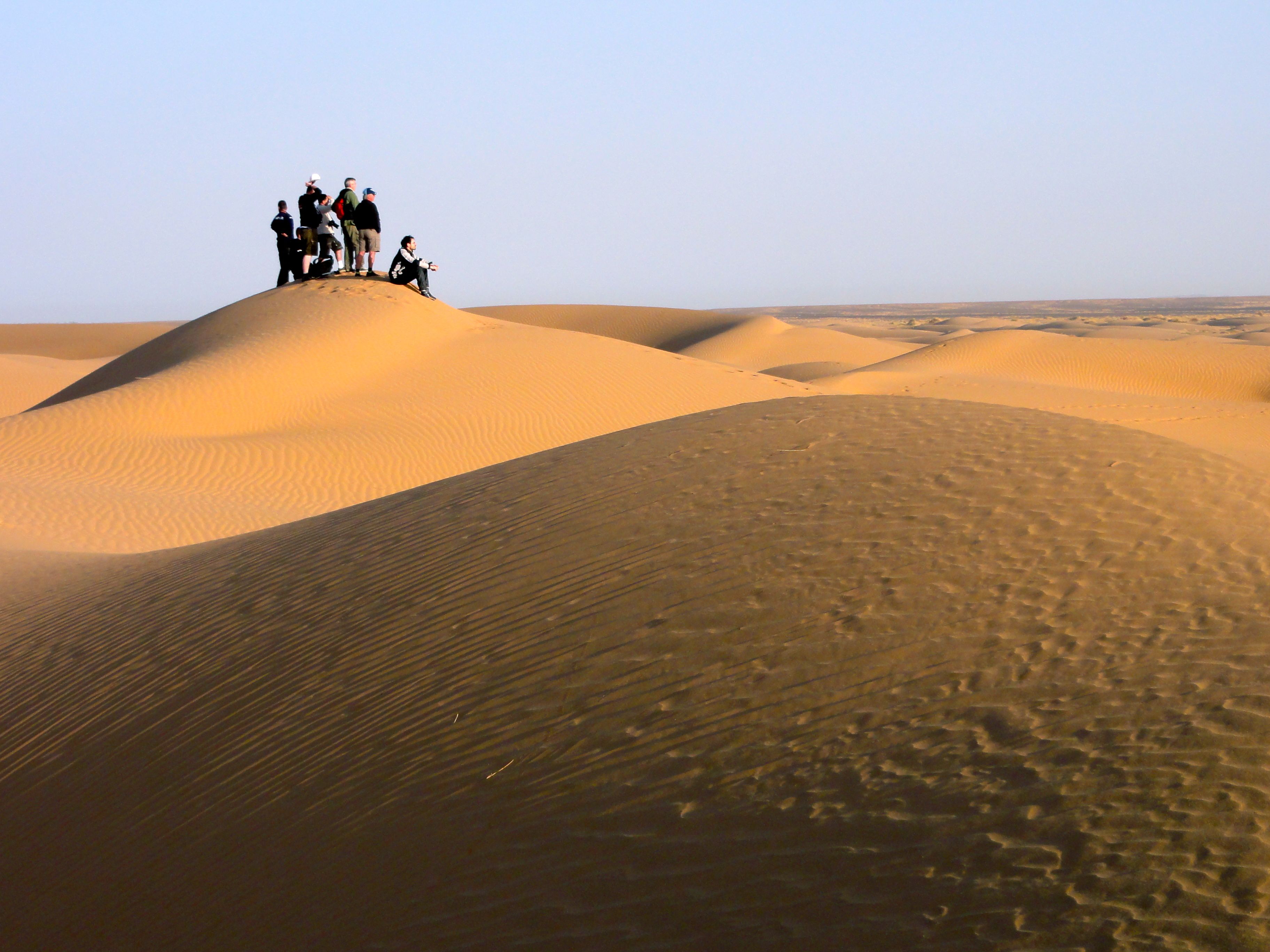
The route wound along the valley, the lush palms of the Tafilalt Oasis thickly blanketing the river bed, a striking contrast with the barren rocky slopes on either side. Fed by the Ziz river, the Oasis is one of the largest in northern Africa and was historically important as a trade route and crossroads, in particular for the gold trade from western Africa to the Islamic world during the Middle Ages. The turquoise lake created by the Hassim-Addakhil dam is an amazingly beautiful sight.

We were among the last of our group to reach the camp in Missor. It had rained on the way, and the thin layer of wet mud stuck much too easily to our shoes as we got out to put things in place.

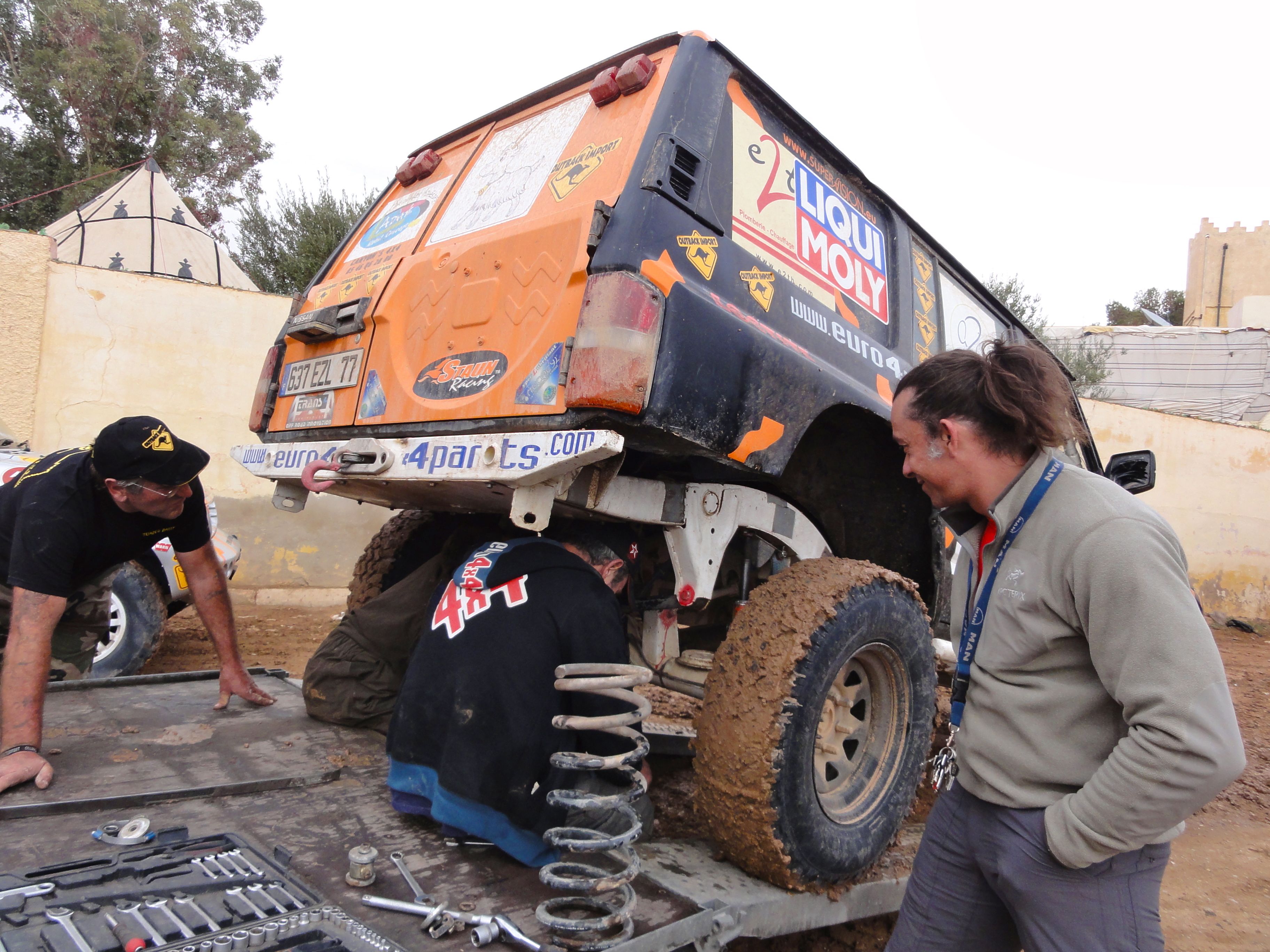
Florian and Yvan didn’t need to make any repairs, but Raoul had broken the support for the shock absorber during the day, and it had to be welded again.

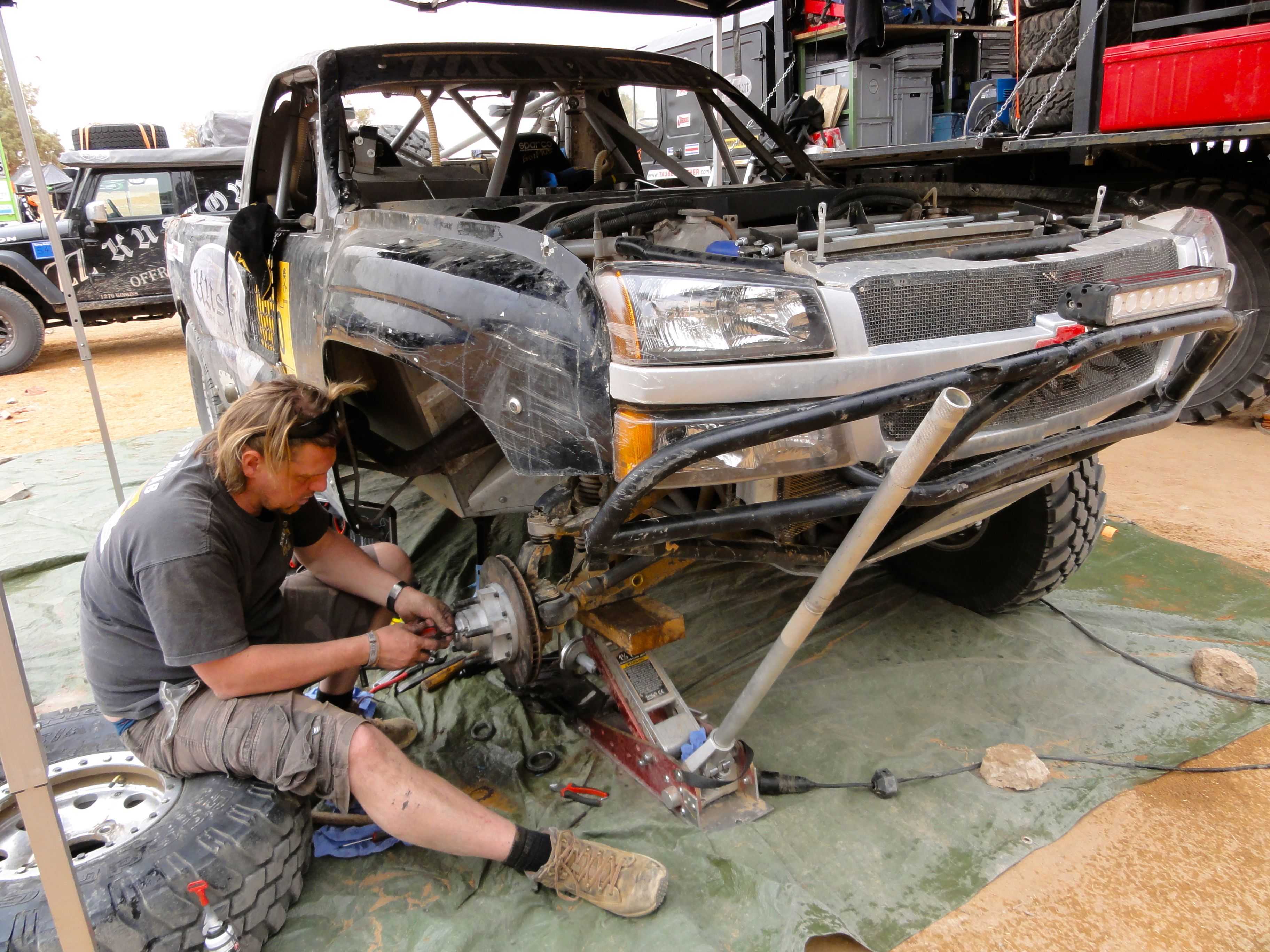
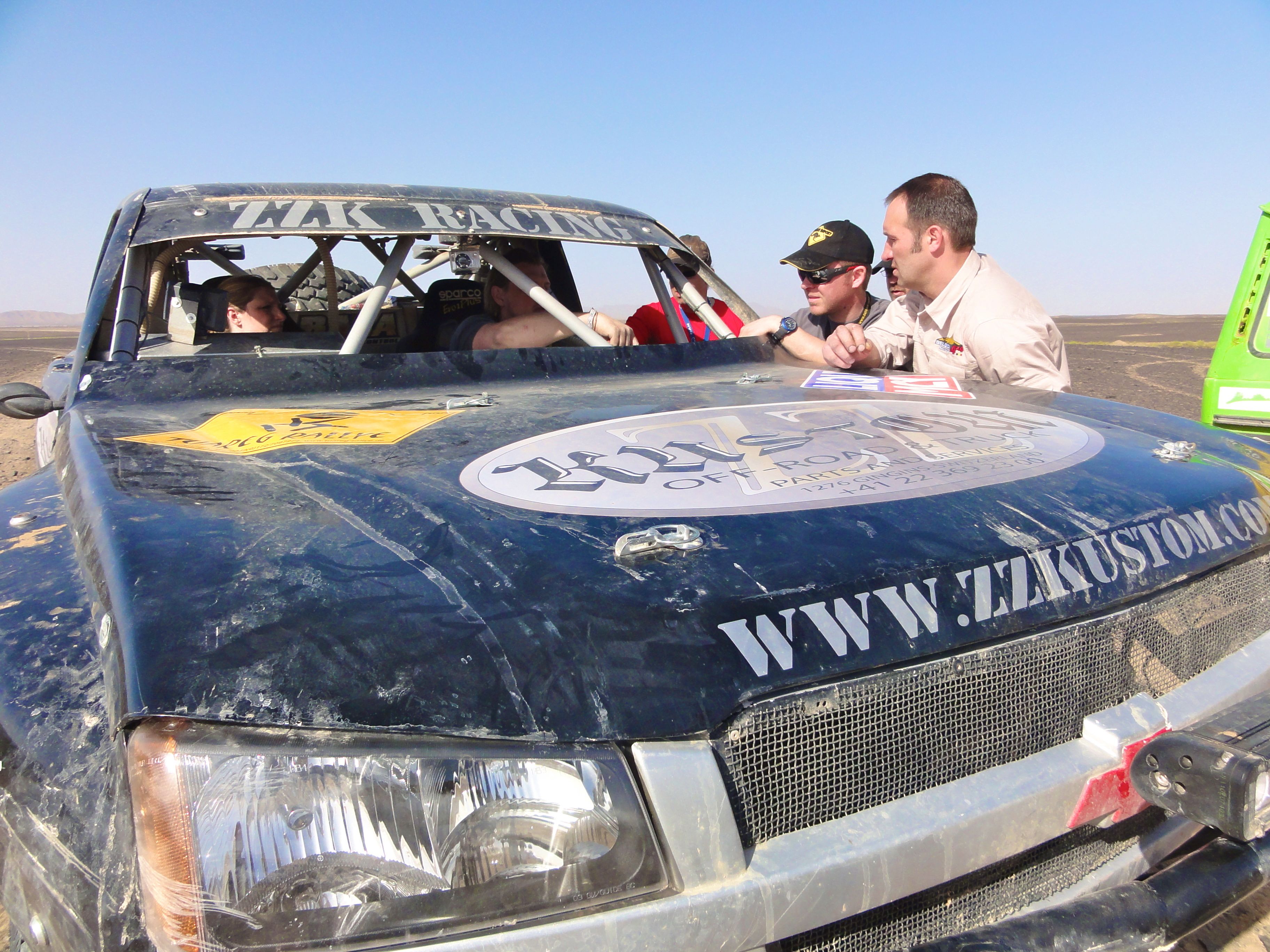
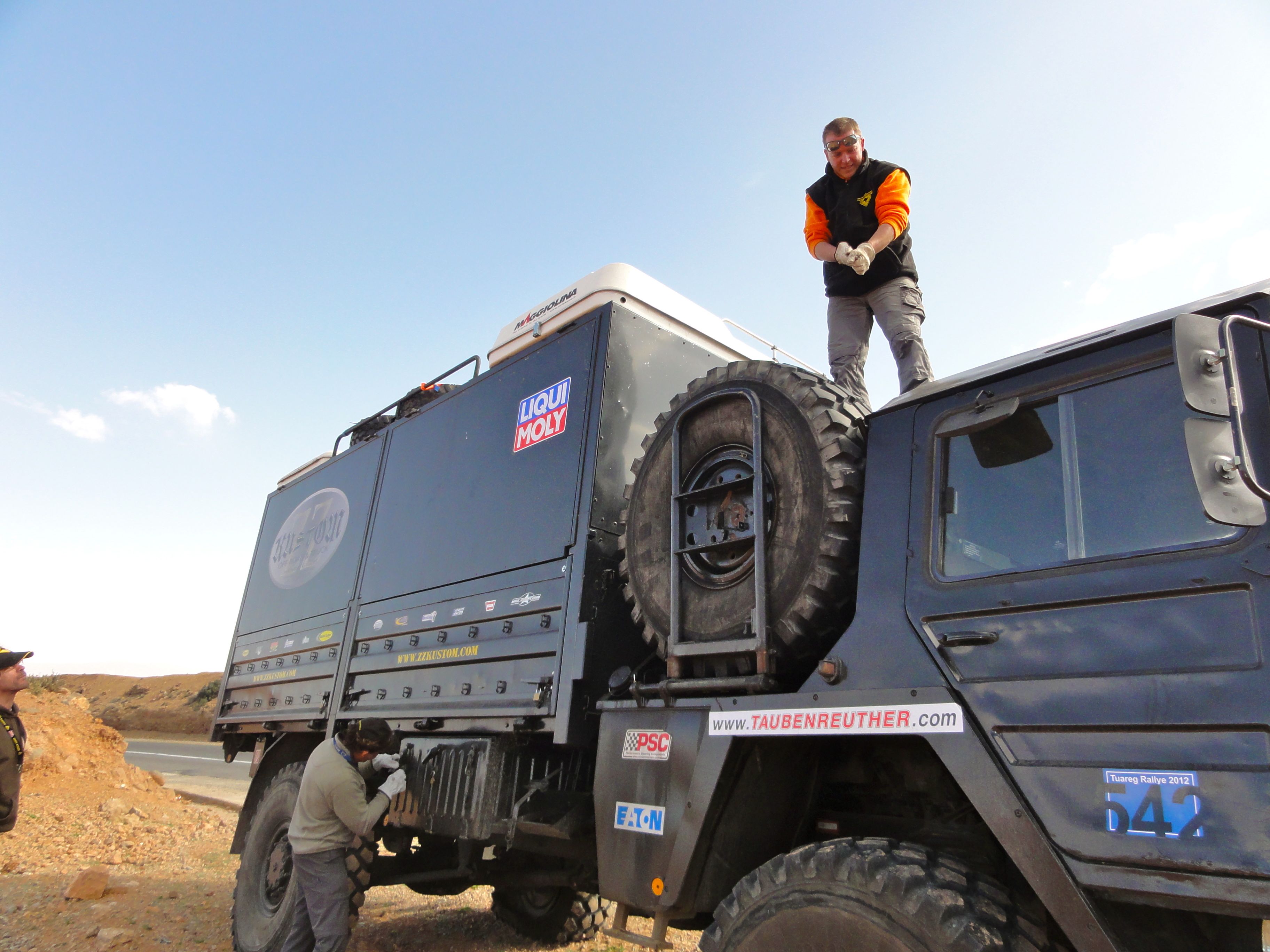
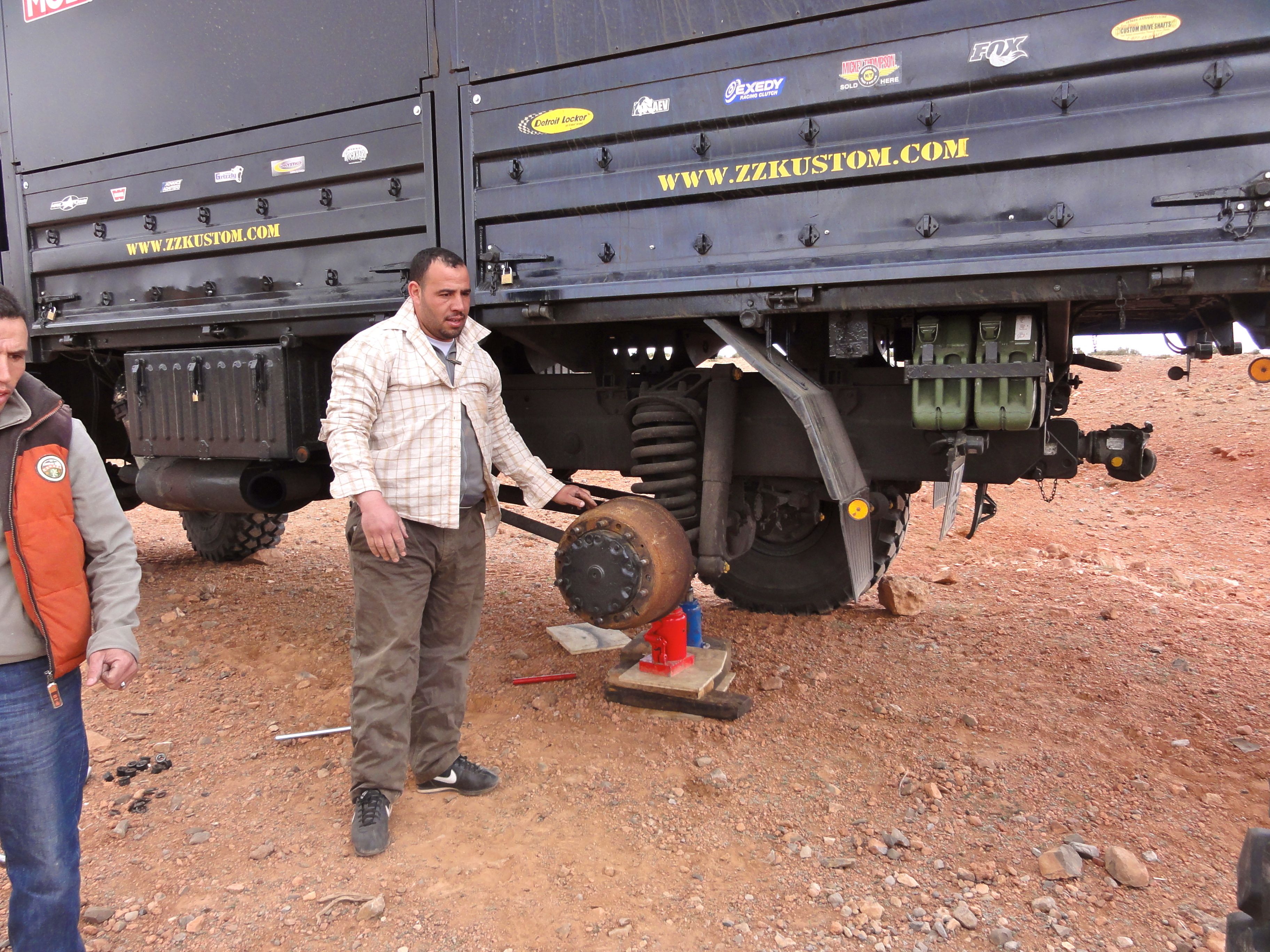
Edouard checked the hubs on the Protruck. Everything was clean. The seals they had made the day before had solved the problem. However there was some play in the ball joint of the upper A-arm, which affected the suspension and steering. Unfortunately, the repair would be more complex than the team was prepared to make so close to the end of the race, so Stéphane and Caro would continue to the Finish before fixing the problem back in Switzerland in the workshop.

No one had eaten a meal during the day, so everyone was hungry and couldn’t wait for the buffet at the hotel, which wouldn’t be ready until another three hours or more. Stéphane and Caro had time for a hot shower and shampoo to get all the dust out of their hair before the group went out for dinner at a nearby restaurant in Missor.

Later, at the briefing, we got the final instructions for catching the ferry to Spain. The service team would return on the same ferry from Melilla to Alméria, which left at 13:00 local time. Rainer reminded us that we’d have to leave no later than 3 am to reach Nador and pass customs in time, but he’d forgotten the time change to European Summer Time at 01:00 UTC. That meant we’d have to leave no later than 2 am! We’d made the trip from Nador to Missor in 6-7 hours on the way south, but since we’d be driving at night, and in Morocco you should always expect the unexpected, we decided to build at least an extra hour’s margin into the trip.

We hadn’t reserved a place in the tent at the hotel that night, but we were tired, so it wasn’t too hard to fall asleep on the sofas around 11:00 pm despite the lights and noise in the lobby. When we set out for Nador about two hours later, we were glad we’d make the decision to start early.

Tuareg Rally, Day 5: Dune Race, Repairs And A Ride In The MAN Race Truck

A special stage, known as the dune race, took place on the fifth day of the Rally. As Rainer put it at the briefing the evening before, “Tomorrow, navigation is not important.”

The racers would have to complete several rounds of the same circuit in as short a time as possible. The amateur cars and motorcycles would race for two rounds and the “Profi” cars and bikes for four. The Finish Line for the cars was at the base of a very steep dune, while the motorbike finish was at the top. If the riders weren’t able climb to the top on their bikes, they would have to do it on foot.

That sounded like something worth seeing. Since Stéphane and Edouard were going to spend most of the day working on the Protruck, cleaning and repairing the wheel bearings and fashioning an inner seal to keep the sand out, we had planned to get an extra hour of sleep and then head up to the Finish Line on foot to get some photos.

We never made it.

We needed to repair the tire that had blown out on the way to Merzouga; it wouldn’t be prudent to start back without a ready spare. We went with Caro to Risani for some supplies, including talc to sprinkle inside the tire so that the air chamber would move freely inside without rubbing or sticking. By the time we got back it was late. Everyone at camp wanted lunch, and we needed to go over to see the RR Belgica team.

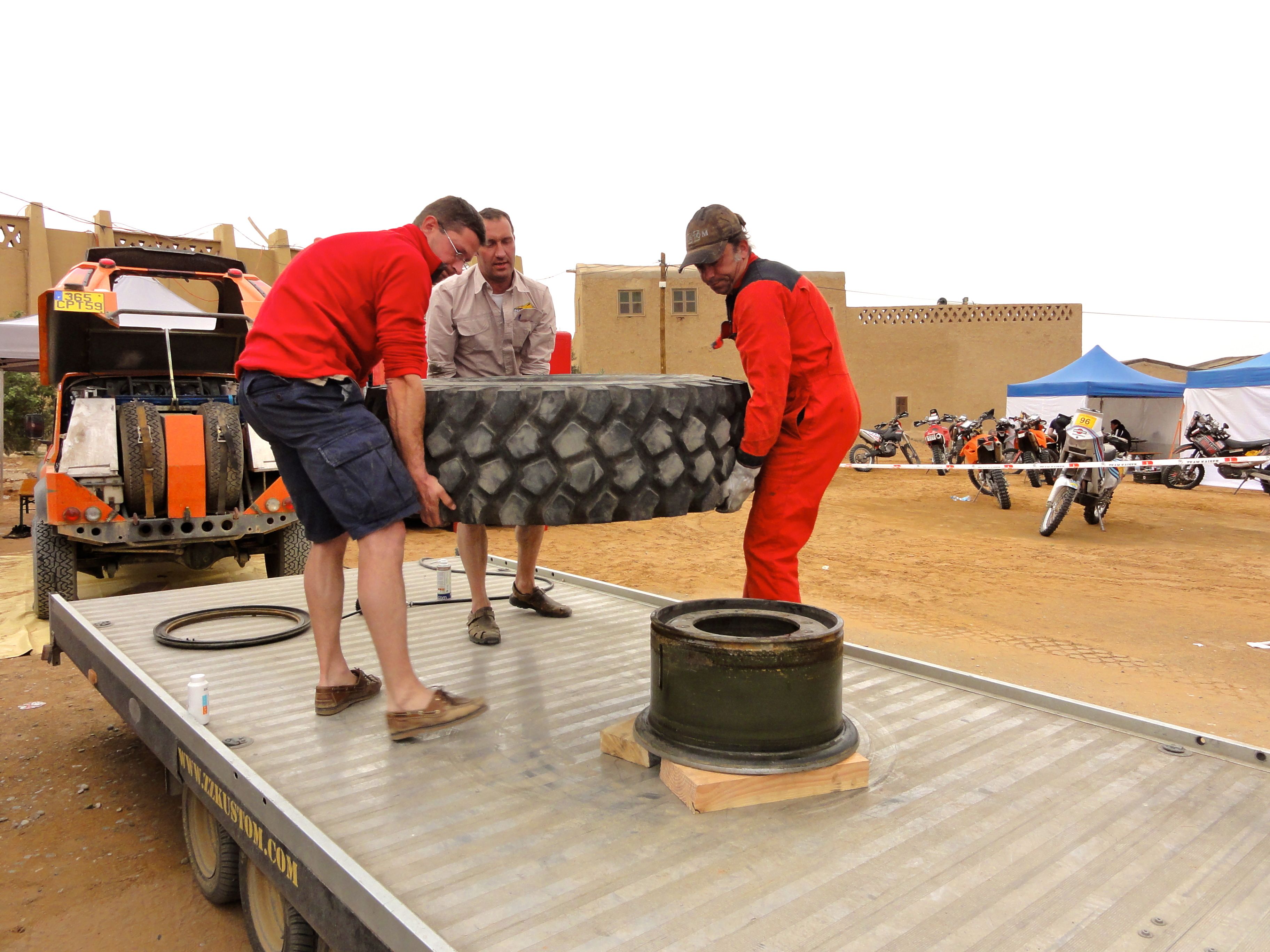
We had gotten a spare air chamber to fit our tire from the MAN KAT on the Orga team, and the RR Belgica guys were willing help us inflate and mount it on the rim. This is a tricky procedure because the rims are special and consist of several pieces. If they aren’t put together correctly, inflating the tire can be dangerous, since the different parts of the rim can fly apart because of the air pressure. The RR Belgica guys had experience with the procedure, and we were happy to have their help. There wouldn’t be any time to see the end of the day’s race. We’d have to settle for watching the video at the briefing later that evening.

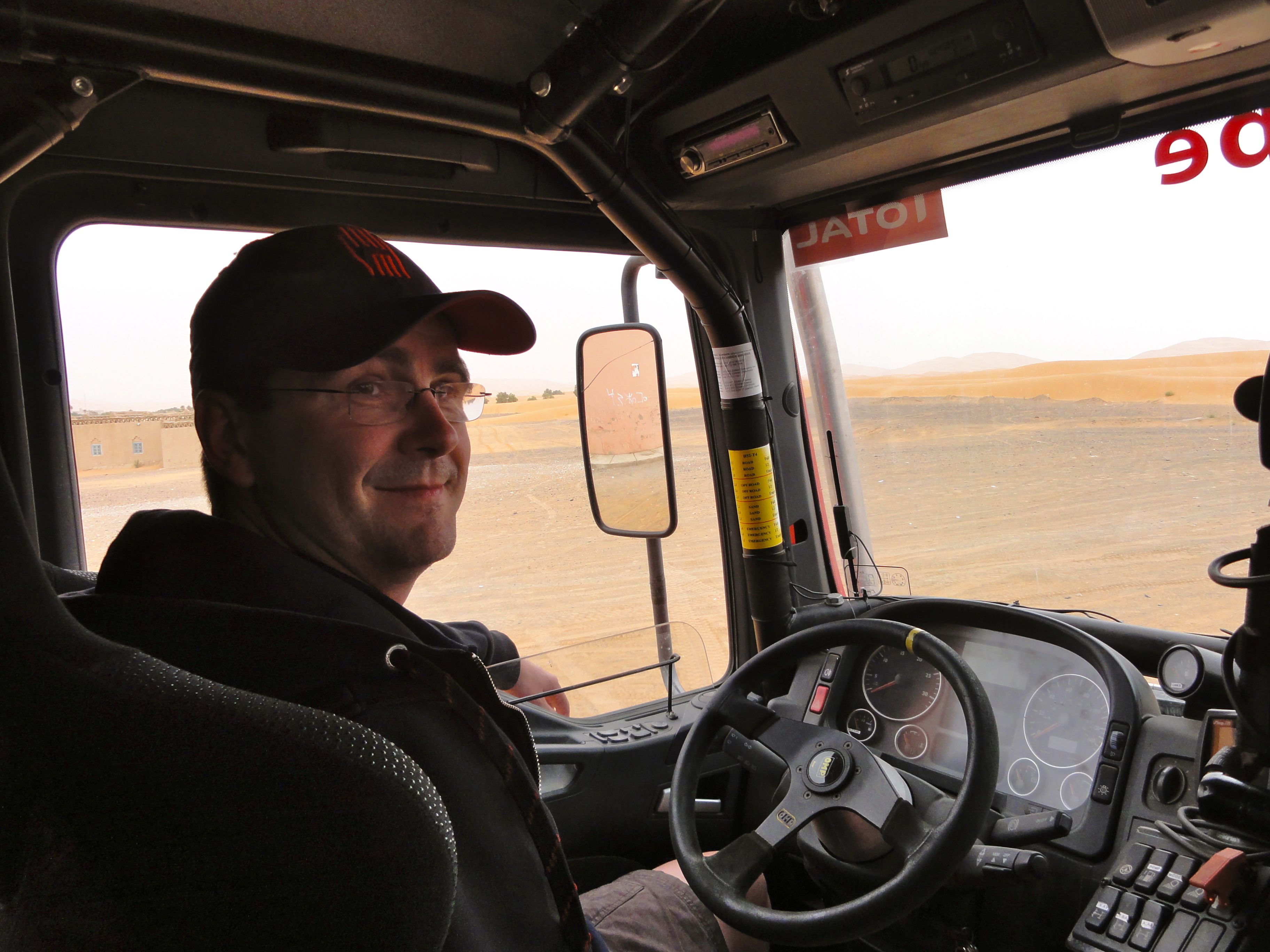
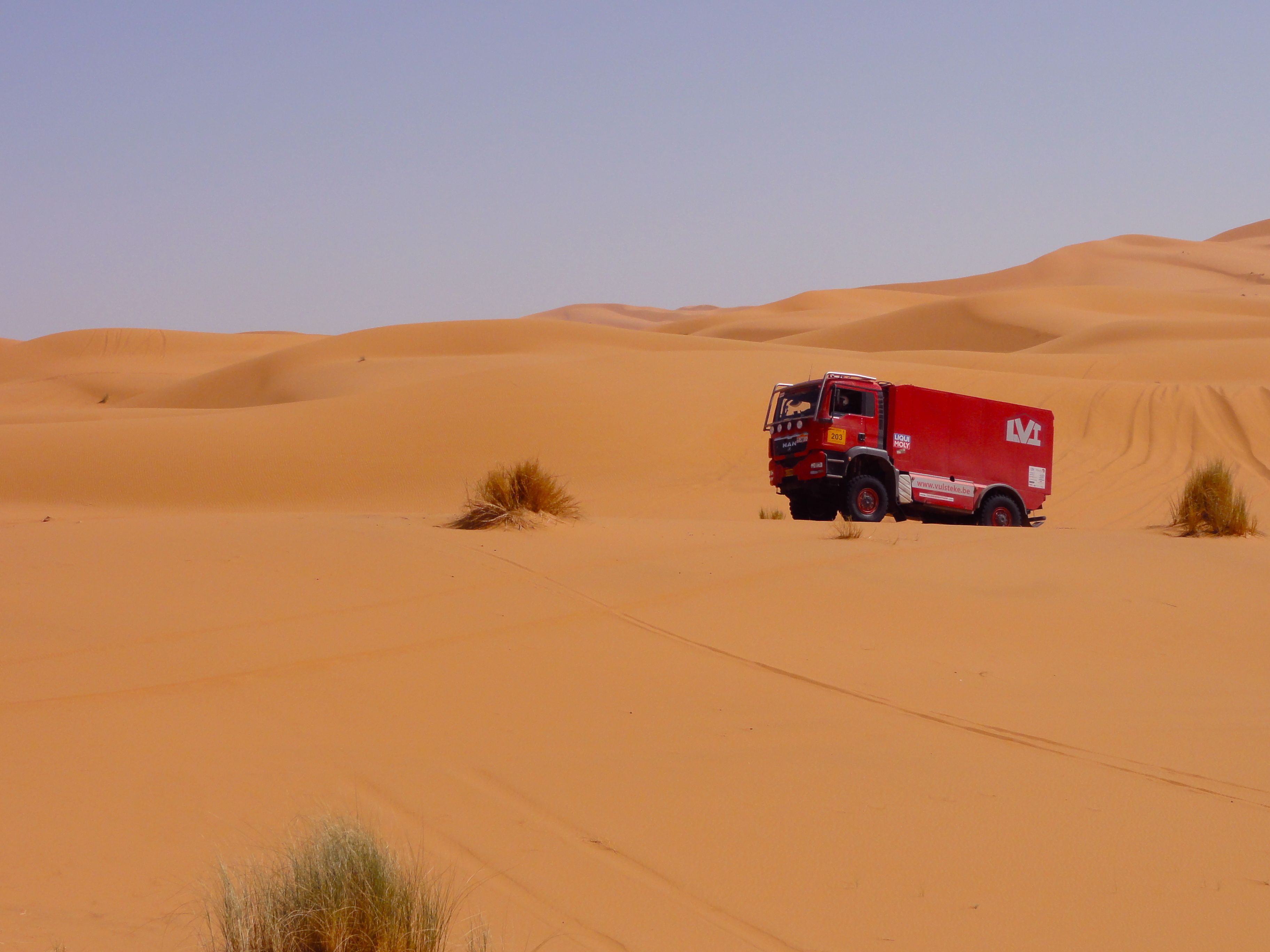
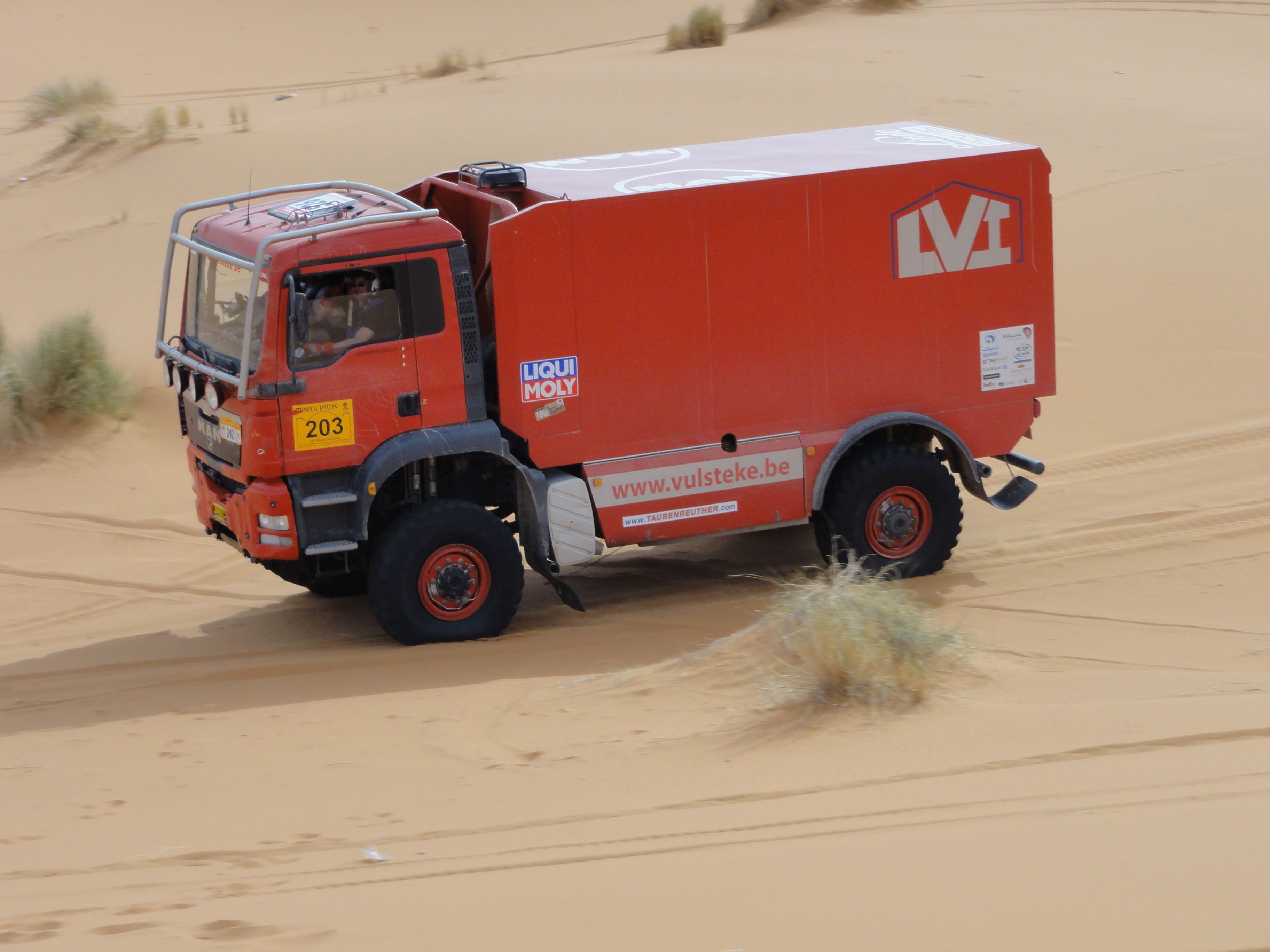
By the time we got over to see our new friends on the service team for RR Belgica, their MAN had already finished the day’s race. Kris helped us mount our spare tire, and then Wouter, the pilot, asked us if we’d like to take a quick ride over the dunes with him to a photo shoot. Of course we said yes!

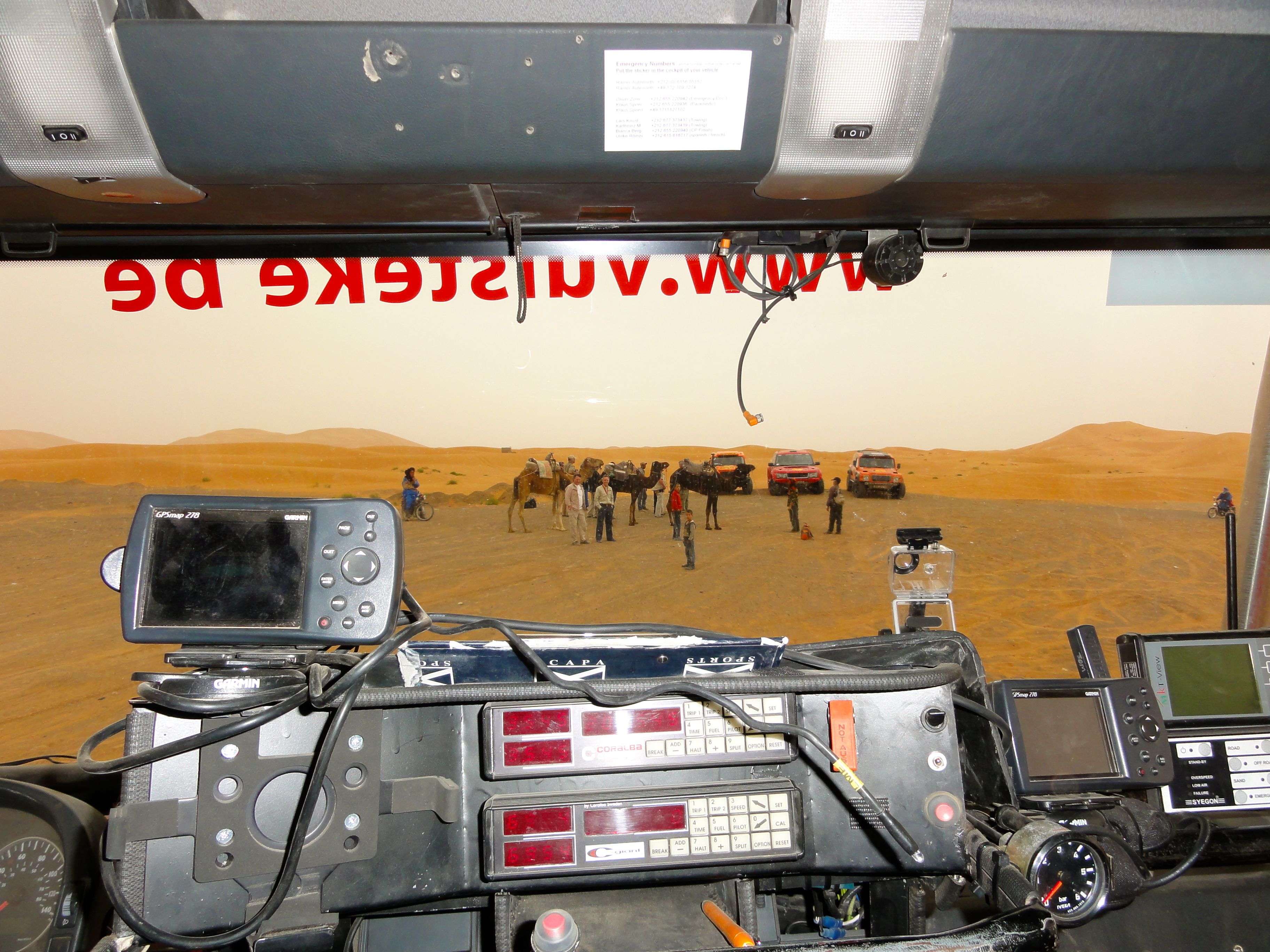
The MAN TGA 480 was prepared by MAN Racing. When you accelerate directly toward the dunes, the 750+ hp of its 6 inline cylinder 13L engine make its 10 tons seem light and agile. It’s not quite as loud as the Tatra, there’s a little more room in the cabin since there’s no couchette, and the instruments are a little less rustic (they even have a sound system).

The sensation of going over the dunes is like being on a roller coaster. Awesome. Imagine doing that all day!

By the time we took the repaired spare tire back to camp, our other drivers had returned from the race. Without having to to worry about navigation, they had had a fantastic day driving over the dunes in their little roller-coaster cars and were back relatively early.

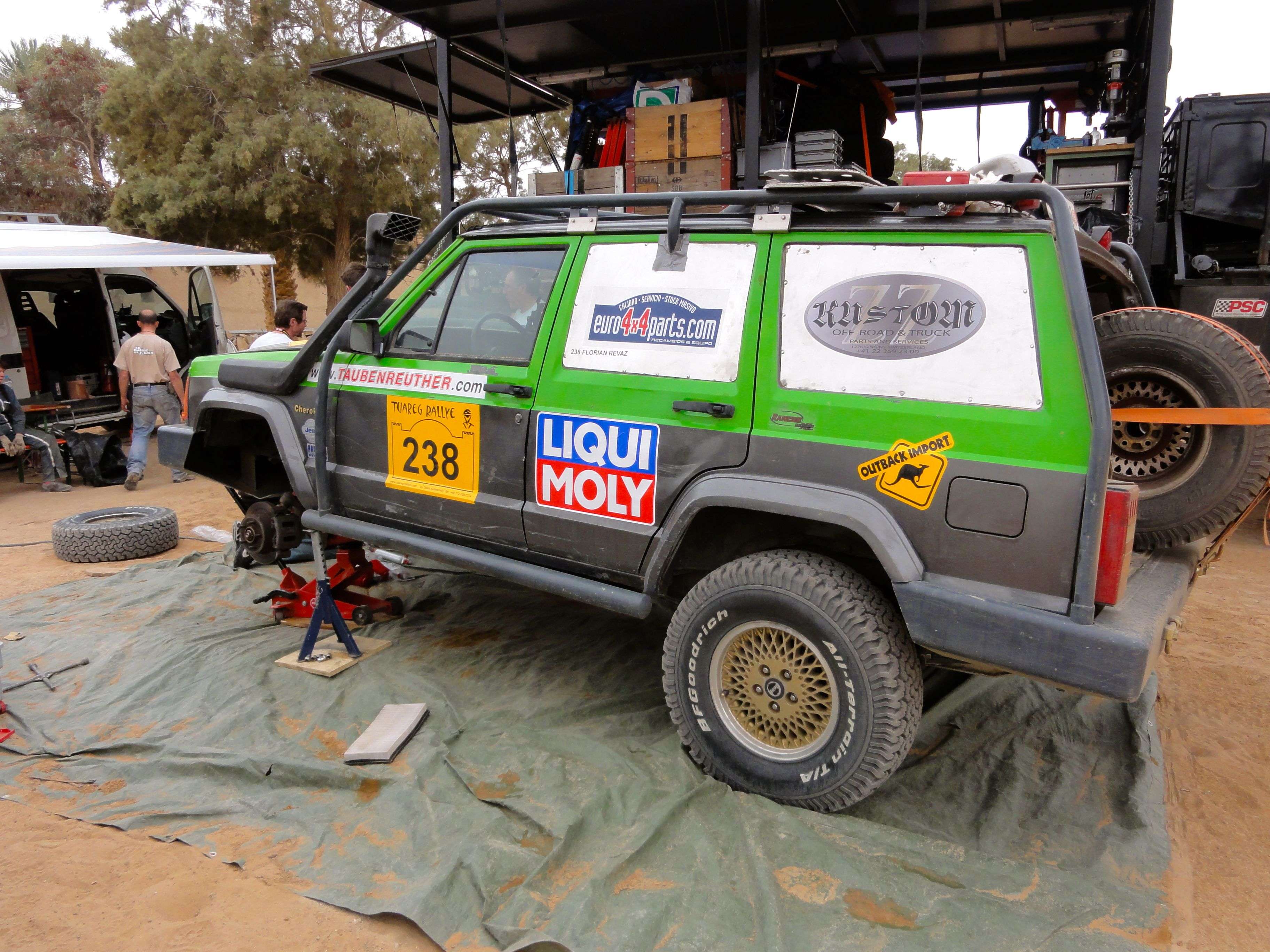
Florian and Yvan were checking the steering. A Polaris had run into them during the race and had bent the tie rod. They’d made a repair in the dunes but were checking it over to make sure everything was ok.

Sylvain/Pascal and Raoul/Cécile had driven well and since they were in early, there was plenty of time to complete the maintenance needed before the return to Missor the next day.

After the briefing we decided to go out to eat together in one of the local restaurants instead of at the hotel. It wasn’t often we had an evening relaxed enough to enjoy such a luxury.

Tuareg Rally, Day 4: Kingstage Over 200 Kilometers Of Dunes

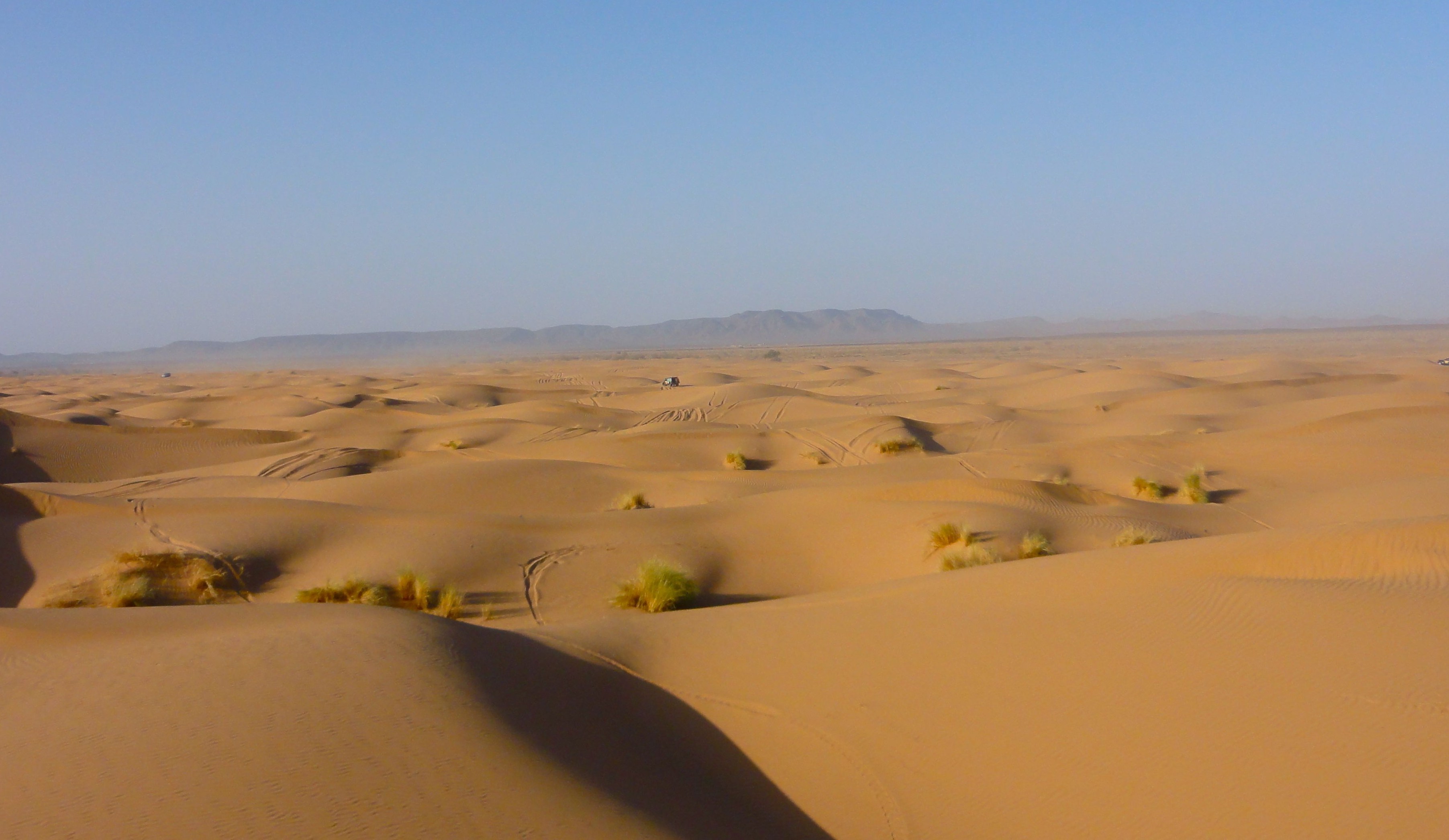
The start of the fourth day of the rally was spectacular. The cars started simultaneously, lined up side-by-side, a face-off with the desert. The motorcycle start was Le Mans-style, each rider running to mount and start his bike on the signal.

The view from Stéphane and Caro’s Protruck emphasized just how small the Rally was on the immense scale of the desert.

Ahead lay four stages and 16 checkpoints over 200-250km of dunes in the Erg Chebi, the exact distance depending on how the drivers chose to navigate the dunes. At the briefing the evening before, Rainer had said that very few of the participants would master all the stages, and that some drivers might get stuck and have to sleep overnight in the dunes if they couldn’t be helped out in time. “You should prepare for this,” he said. Florian and Yvan seemed worried when we recounted this advice at the dinner table, but they looked relaxed and confident at the starting line.

Sylvain and Cécile checked over the GPS positions one last time while waiting.

The photographers were also waiting at the top of a dune to film the race as it got underway.

When Rainer gave the starting signal, it was chaos for a few minutes; cars were everywhere as the drivers looked for the quickest way over the short line of dunes and onto the fast dirt track that led to the first checkpoint.

One of the Wildcats came over the first dune with a burst of power, only to hit the bottom hard on the other side, breaking both axles. The day was over for them, but they took the car back to camp where the mechanics replaced the rear axle. They’d start again tomorrow, finishing the race as a two-wheel drive instead of four.

Florian and Yvan had also gotten off to a slow start after having been squeezed into a difficult trajectory by two cars who closed in on either side. As a result, they were stuck in the sand out of sight behind a dune, and we didn’t realize it until several minutes later when they’d dug out the car and got back on the way. Suddenly, they were coming out from behind a dune and then heading off surely into the horizon where the others had disappeared a short time ago.

We stayed to watch the motorcycles start Le Mans-style, with each rider running to his bike on the signal. Once they were gone, we got into the car and drove over to the first CheckPoint to wait for our drivers to come in after the fast stage on the dirt track.

Sylvain arrived first of our group, followed by Raoul/Cécile and Stéphane/Caro.

The day had started out fast, so we didn’t hang around too long at the first CheckPoint, hoping to get some good pictures of the cars coming out of the big dunes at CheckPoint 2.

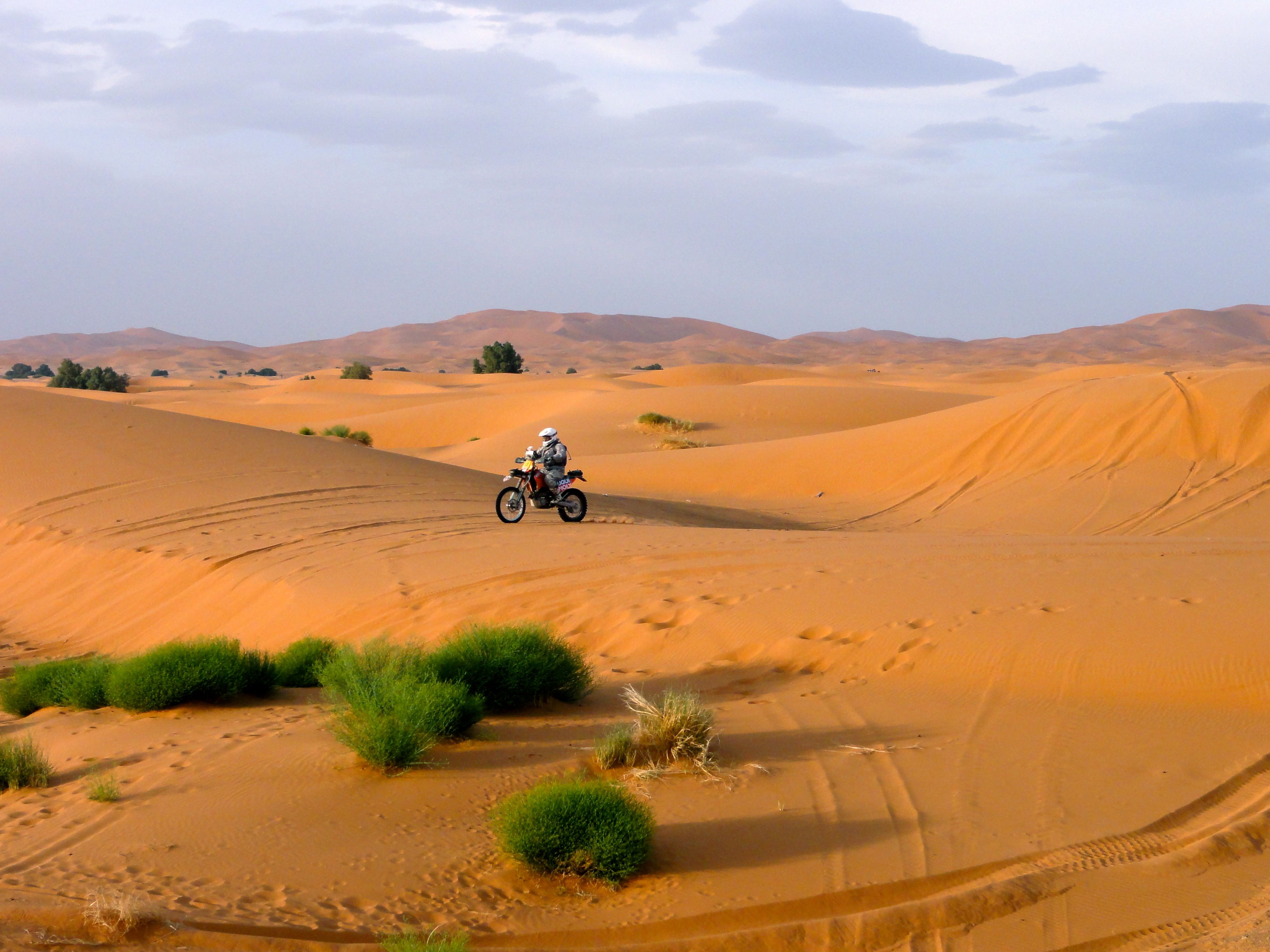
We watched one motorcycle rider winding his way down from the top of the dunes, slipping on a flat gravel area at the bottom about 100 meters from the CheckPoint. He called out to us that he’d done all of the Stage without a single fall, only to wipe out meters from the end.

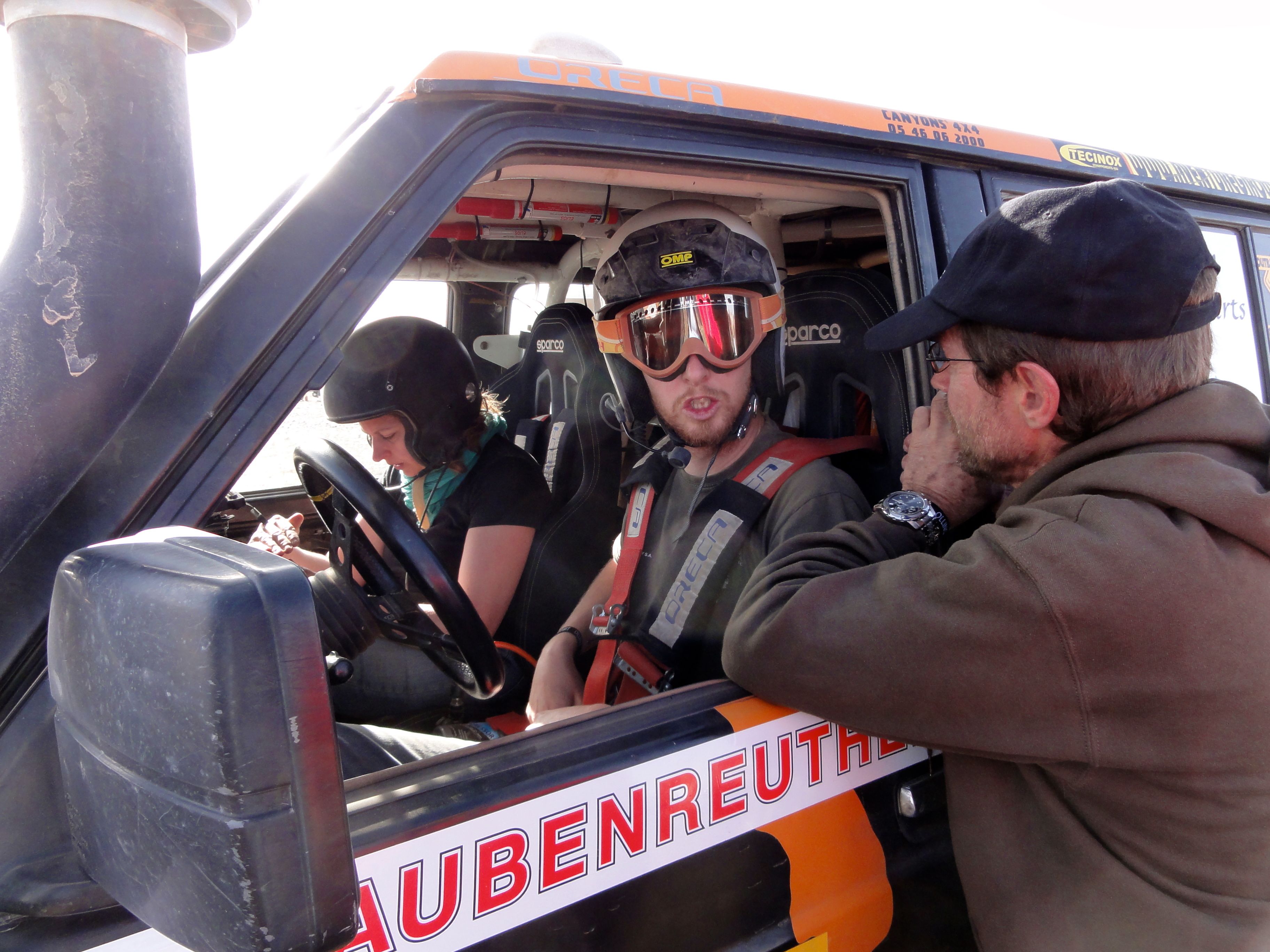
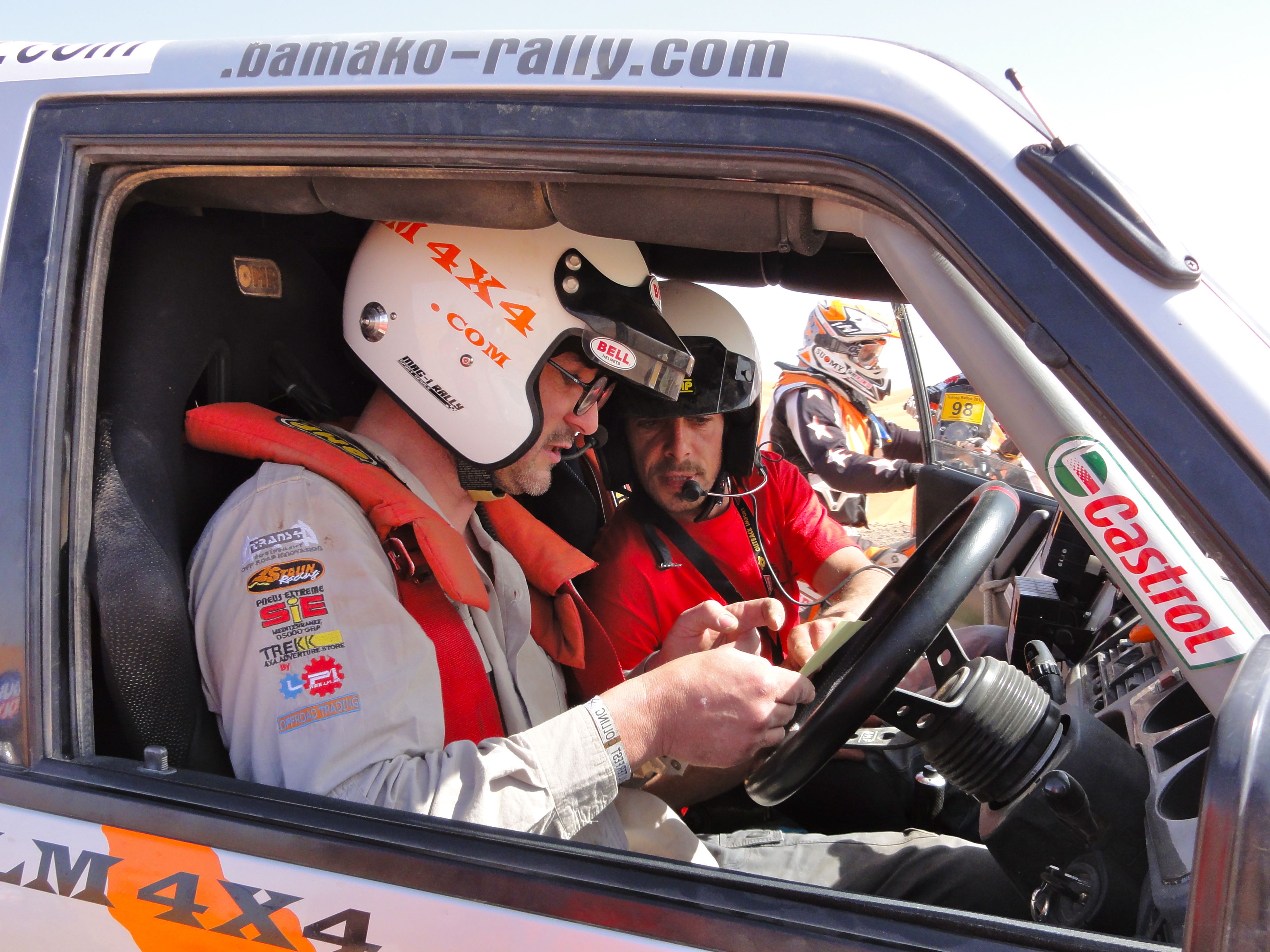
Sylvain and Pascal were the fourth car to pass CheckPoint 2, and they took a minute to go over the roadbook together before heading off in the direction of CheckPoint 3.

Unfortunately, we didn’t get to stay to see any of our other racers; Stéphane and Caro were on the way down the dunes but were having trouble with the wheel bearings again and needed assistance. We had to go back to camp and get the MAN KAT. We’d drive it at close as possible to their position, and then go to meet them with the JK Rubicon.

On the way, we stopped to fill up the tank, and while we were paying for the gas and a quick snack that would have to serve as lunch, we were approached by a young man who heard us speaking French and was curious about the rally. He turned out to be a stunt driver on location with the crew who was filming Intersection, a new film directed by David Marconi and produced by Luc Besson in which a car crash on a remote Moroccan road leads to a strange turn of events. We would have liked to have been able to talk with him longer, but we didn’t have time to linger.

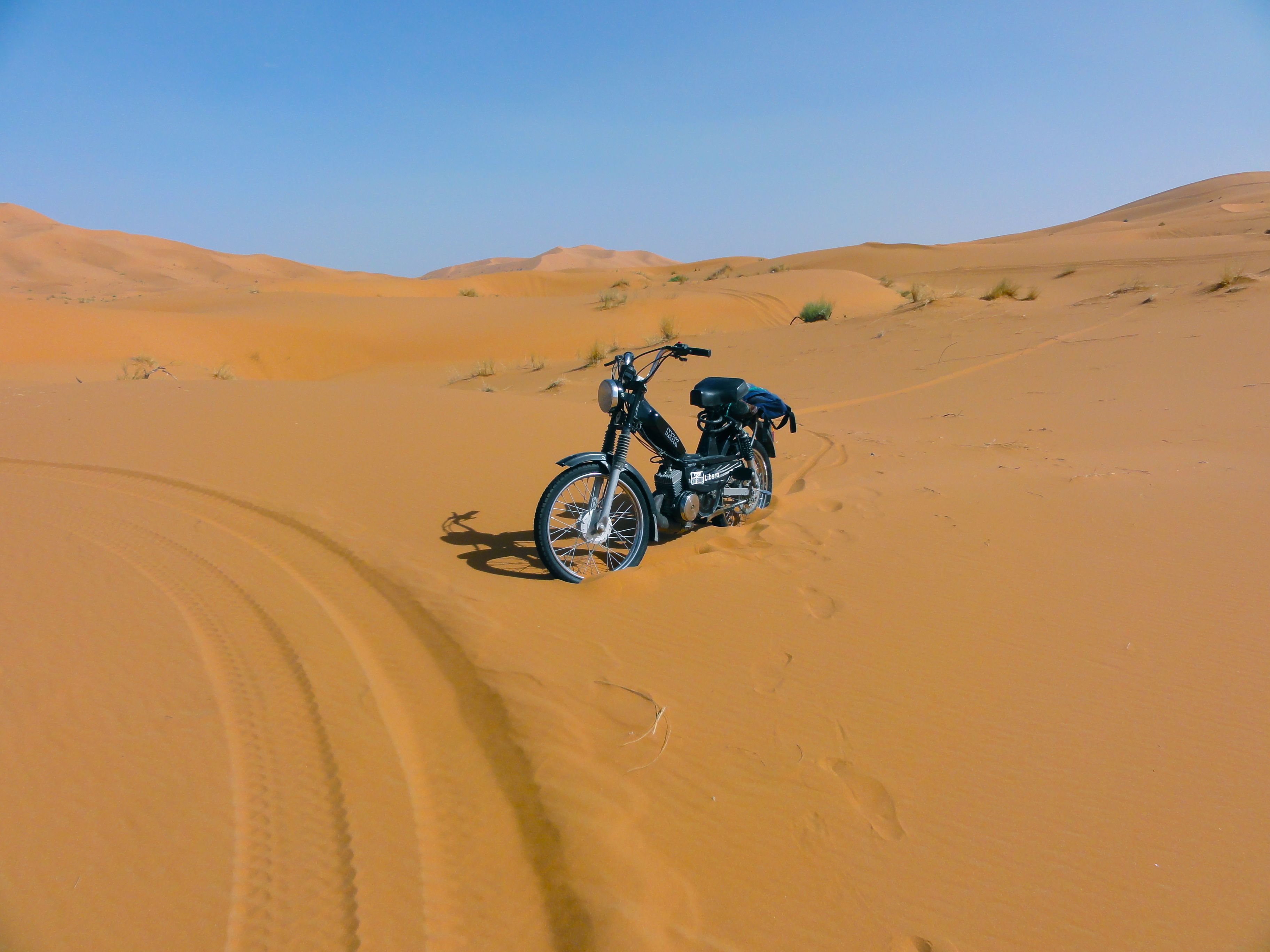
Back at the camp, we set out with the MAN KAT and the Rubicon toward the GPS coordinates Stéphane had sent. He wasn’t far from the second CheckPoint, so we lost time as we had to go all the way to camp and then back. At the bottom of the dunes, a local man on a moped gave us some tips on how to reach Stéphane’s location without getting stuck. He said it would be more difficult to go straight up the dune, advising us instead to head up east of Stéphane’s position and then change course to meet him. We followed his advice and didn’t have any trouble.

A few minutes after we arrived, we were surprised to hear the sound of a motor. Looking around we saw it was the local man on the moped. He parked his bike in the sand, dismounted and said “The Jeep climbs well.” Since he seemed surprised, we asked if we had not followed his instructions, and he said “Well, not exactly!”

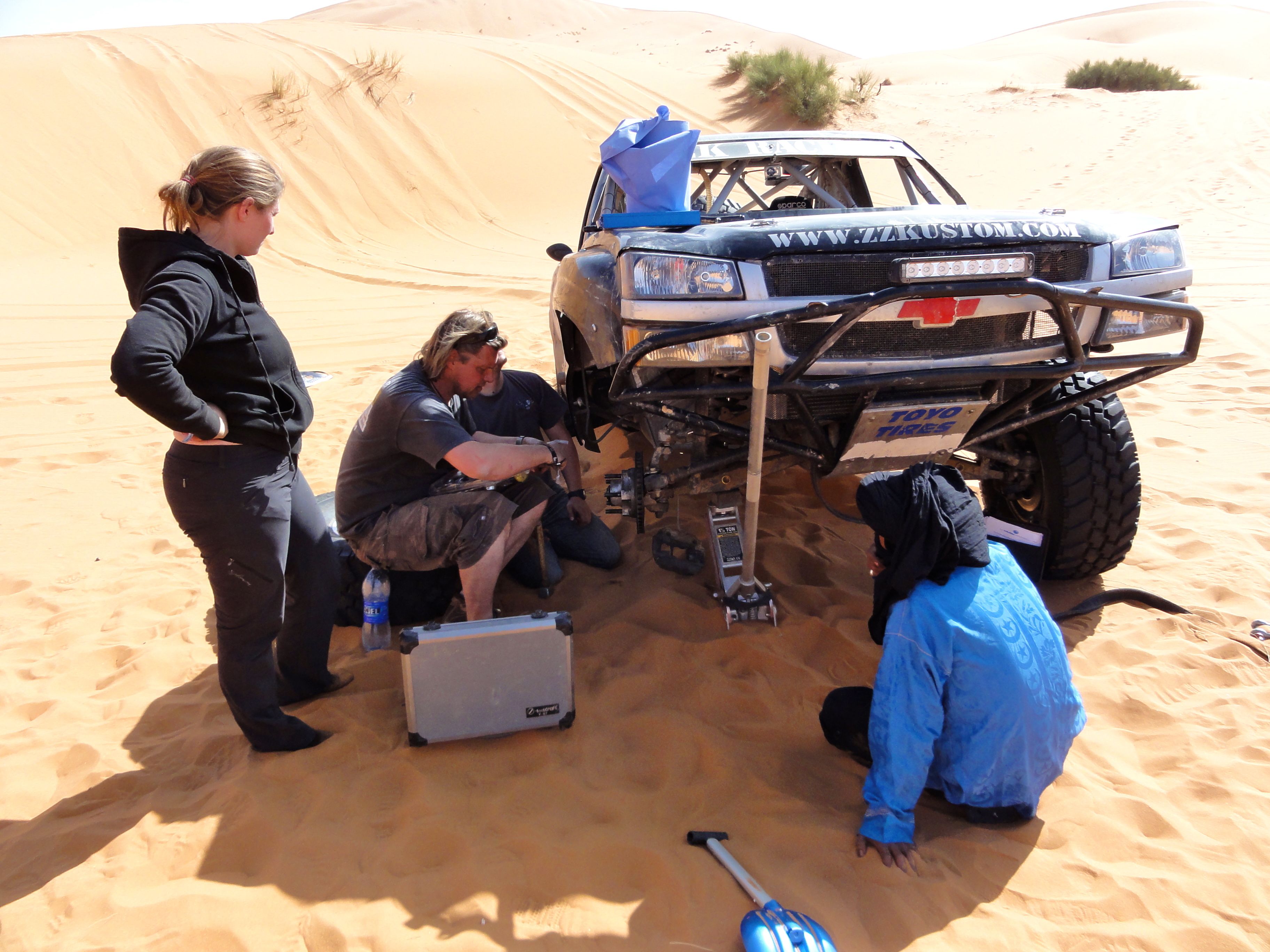
Stéphane had already started to do what he could while waiting for us. Today it was the wheel bearings on the other wheel, and Edouard got to work with him right away.

Within a few hours, they had the Protruck ready to drive out of the dunes, but it wouldn’t be possible to resume the race again until the cause of the problem had been addressed. Without a way to keep sand and gravel from getting into the bearings in the first place, Stéphane and Caro would have the same problem every day. Since they didn’t have the original part, Stéphane and Edouard didn’t have much choice except to make a cover to seal the bearing. If the work wasn’t finished in time to start the race tomorrow, the team would take a penalty for missing the day.

News From Erfoud

It’s now Day 6 of the Tuareg Rallye, and we’re on the way back to Missor from Merzouga on the service route. We got as far north as Erfoud when Edouard got a call from Stéphane and Caro. They need assistance in the dunes, so he and Pascal have headed back in the JK Rubicon, while we wait here and change a worn tire on the trailer.

Across the street is the Hotel Riad Salam, which has a nice lobby where we can try to catch up with some posts and photos. We’ve gotten behind because of the slow Internet connection in Merzouga, which simply dies when 400 people all try to upload photos and video, send emails and instant messages from the hotel at the same time.

The connection at the hotel here is much faster. With luck, we’ll get a post or two published before we’re on the way again, but it will be a full day since we have over 350 km yet ahead of us to reach Missor. Once there, we won’t be able to stay long, since the service team must leave by 3 am for Nador to catch the ferry, which leaves at noon on Sunday. We’ll stay as long as needed to service the cars, but we may not have time to post much via Internet at the hotel. There’s no Wifi on the ferry, so we probably won’t be able to post again before we reach Mojácar, Spain.

Check our Spot location and the Twitter feed for the latest messages.

Tuareg Rally, Day 2: Missor, Flat Tire and Dunes in Merzouga

The second day of the rally started well. The coldest part of the night was from 3-5am, and it was hard to crawl out from under the warmth of the thick wool blankets when the alarm sounded. The racers were restless though, so when the alarm went off, they didn’t waste any time getting up, and we followed soon after.

After breakfast, we went to see the drivers off, and then headed to the start several kilometers away through a small village. The route was longer and rougher than we expected, so we didn’t get there as soon as planned, and we missed seeing some of our cars start. After taking a few pictures and video, we set off to pick up the service route that would take us to Merzouga.

There were again four stages for the cars competing in the race. The track of the second special over the Pass of Bercalem was only passable for 4×4 vehicles, so the service route took us south in parallel to the race, with several photo and service points along the way. Since we’d be driving over paved roads, instead of the dirt tracks the race drivers were taking, we’d planned to stop at both of the two photo points to get photos before the finish.

It wasn’t meant to be.

Heading south from Midelt, we had a tire blow out on the road to Er Rachidia. We’d become used to the truck’s inertia, which tends to pull it from side to side on winding roads and when passing trucks, because of the change in air pressure. There’s no sway bar on the rear of the truck, so this phenomena can be quite important due to the high center of gravity. When the road is rough, the reaction can be dramatic, so at first we didn’t realize what had happened. We were on a curvy road, going downhill toward a bridge, when the truck pulled suddenly to the left side, and Christophe had to react quickly to keep control. He managed to countersteer to keep us from veering off the road (or tipping over), but it was close! Soon we heard Edouard’s voice on the radio letting us know that our left rear tire had blown out, and we’d have to pull over to change it. He later told us that the right wheel had been lifted completely off the ground when the truck lurched to the side.

We shortly found a wide, relatively flat shoulder where we could pull off safely, lowered the spare tire and located the hydraulic jack. We started to raise the left rear axle with the jack and realized we had another problem. The jack would not extend completely, and even using several blocks of wood as wedges, we were not able to raise it high enough to remove the wheel. There was nothing else to do except try to flag down a passing truck in the hopes they would have a jack we could use.

Just at that moment, we received a call from Caro. She and Stéphane had run off the track, and the steering had been damaged. They needed assistance between the first and second stages of the Special. The timing couldn’t have been worse. We were just at the place where the race and service routes were the farthest apart and wouldn’t be able to get to the service point before over an hour, even if we hadn’t been immobilized. Edouard couldn’t go alone in the JK, because he needed the tools and equipment from the workshop on the MAN, so we had no choice. Stéphane and Caroline would have to wait. Fortunately, it was still possible for them to continue the race with the Protruck, so Stéphane kept going and would advise us when they reached the next service point.

On our side, there was lots of traffic on the road, but very few heavy trucks likely to have a hydraulic jack that could lift enough to help us. After about 15-20 minutes, a Moroccan truck driver passed and then stopped 100m down the road, made a U-turn and parked on the other side of the road. We ran over to meet him and asked if he had a jack. He did, and he was happy to help us. He and his co-driver had more experience than we did with this situation, and we appreciated their assistance. Once they arrived, we quickly got the tire changed and could get back on our way. It’s a shame that not everyone here is as nice as these guys were. We offered them something for stopping to help us, but they didn’t want to take it, they were just happy that we were able to get back on the road to the Rally. These are the kind of people that make the world a better place.

Meanwhile, Stéphane was able to continue the race after adding some steering fluid, which was enough to get him past the start of the fourth Special and on the way to the Finish. We stopped at the third service/photo point along the race track, but most of the cars had passed, so we continued on to the camp at the Finish Line in Merzouga. The race drivers would be much slower in the last Special, which crossed into the dunes of the Erg Chebi. We had time to arrive and set up camp before most of the cars reached the Finish and hopefully take some pictures.

By the time we arrived, Sylvain, who was in second position for the day, had already arrived at the camp, but Stéphane, Raoul and Florian were still in the dunes.

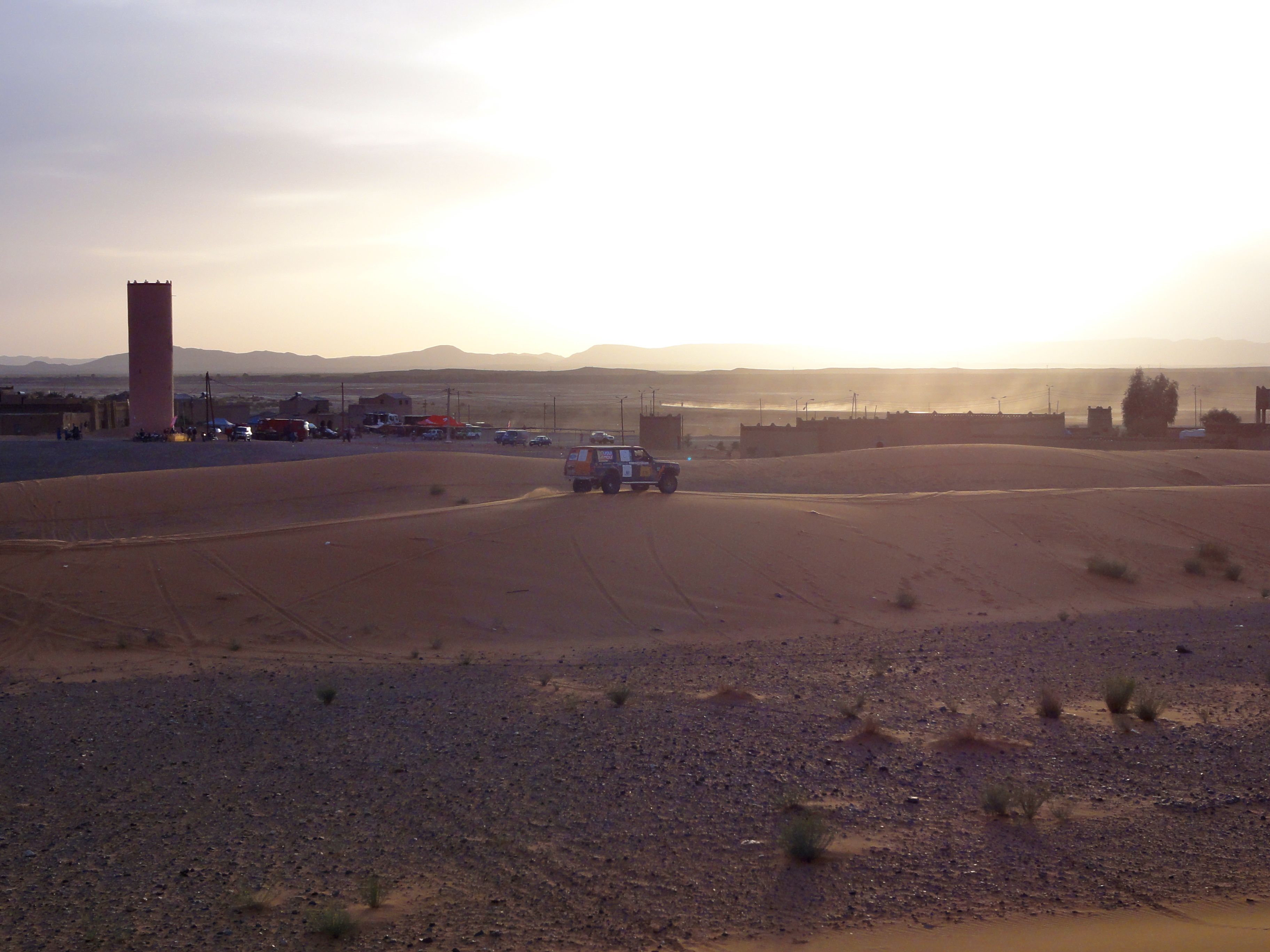
At dusk, we watched Raoul and Cécile winding their way through the dune field in their Nissan Patrol. At first a dark speck on the horizon, we strained our eyes as the Patrol appeared and disappeared as he drove up, over and behind dune after dune. He crossed the finish line around 8:00 pm.

The others were still in the dunes as night began to fall. Florian arrived two hours behind Raoul, and Stéphane almost an hour later. The hydraulic cylinder of the steering had been damaged when he ran off the track, and it had not been easy to cross the dunes with the steering only partially assisted.
The drivers were tired and hungry, but the mechanics needed to get to work to repair the cars for the next day’s start. It was well after 10pm, and dinner had been waiting for over two hours. We shuttled the drivers to the hotel for food and rest, and then took some plates of Tajine back to camp so those who had to work until the wee hours of the morning would have something to keep them going.

It was a long night for the service teams, since the final stage through the dunes had put the cars to the first real test. At the briefing earlier in the evening, Rainer had said that the hardest days were yet to come, so the time spent on repairs and maintenance was essential.

Tuareg Rally: Day 1, South From Nador To Missor

The first day of the rally didn’t go as planned. The service team was on the ferry from Alméria to Melilla, which arrived about two and a half hours later than the ferry from Alméria to Nador that drivers who were entered in the competition had taken. We had hoped to stop at the designated photo points to get some pictures of our cars, but when the rally officially started, we were still stuck at the border, getting our passports stamped and clearing our vehicles with customs.
It took over three hours to finish all the formalities, and then another hour to change money and fill up the tanks.


Although the service route was easy driving compared to the specials, our race drivers passed all the photo points ahead of us, beating us by at least two hours to the finish.

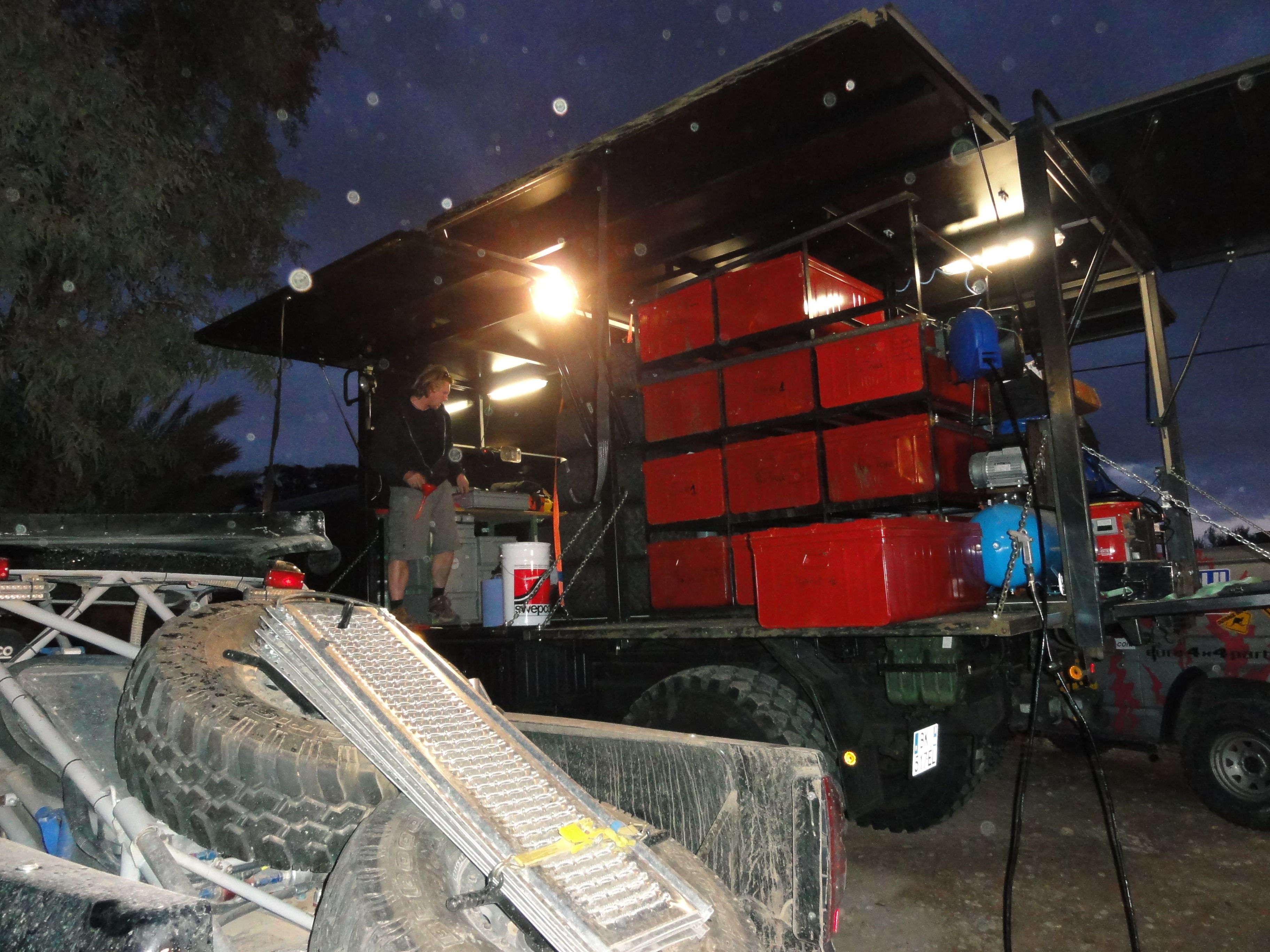
It was raining lightly when we arrived, and the team had already set up camp and was waiting for us (and the tools in the truck) to service the cars. It had been a warmup day. There were four specials, but the course had been fast and not too demanding, so nothing was broken and most of the maintenance was routine.

We didn’t get any onboard video from the Protruck, because we accidentally left the camera on after we transferred the video from the SD card while we were waiting in Alméria, and the battery was dead.

The briefing for day 2 started at 8 pm and was followed by a buffet dinner in the hotel. It was well after 9:30 pm before the team had finished work and could get something to eat, and it was after midnight before everyone crawled into their tents, either on the roof of the MAN KAT or in the Berber tent set up beside the hotel. We slept lightly because of the cold and the unfamiliar sounds nearby; it seemed like the dogs barked all night. When we heard the muezzin begin the call to prayer around 5 am, we knew it meant the end of a short night’s sleep.

The Profi Cars would be the first to start 8:15 am, and we wanted to get up early to make the final checks and make it to the starting line in time to take some pictures of the team. The cars from our team were well placed after the first day, and since the starting position was determined by the order of the day’s results, they would start soon after the first car of the day.

Photo Album: On The Way To The Tuareg Rally 2012

On Friday March, 18th the team left Switzerland for the two day trip South To Alméria and the ferry to Morocco. By 7:15 am, everyone had arrived and loaded their bags and we were soon on the way.

A few hours after crossing the border into Spain, we arrived at Lloret de Mar, where we spent the night before continuing on to Alméria the next day. It was another early start.

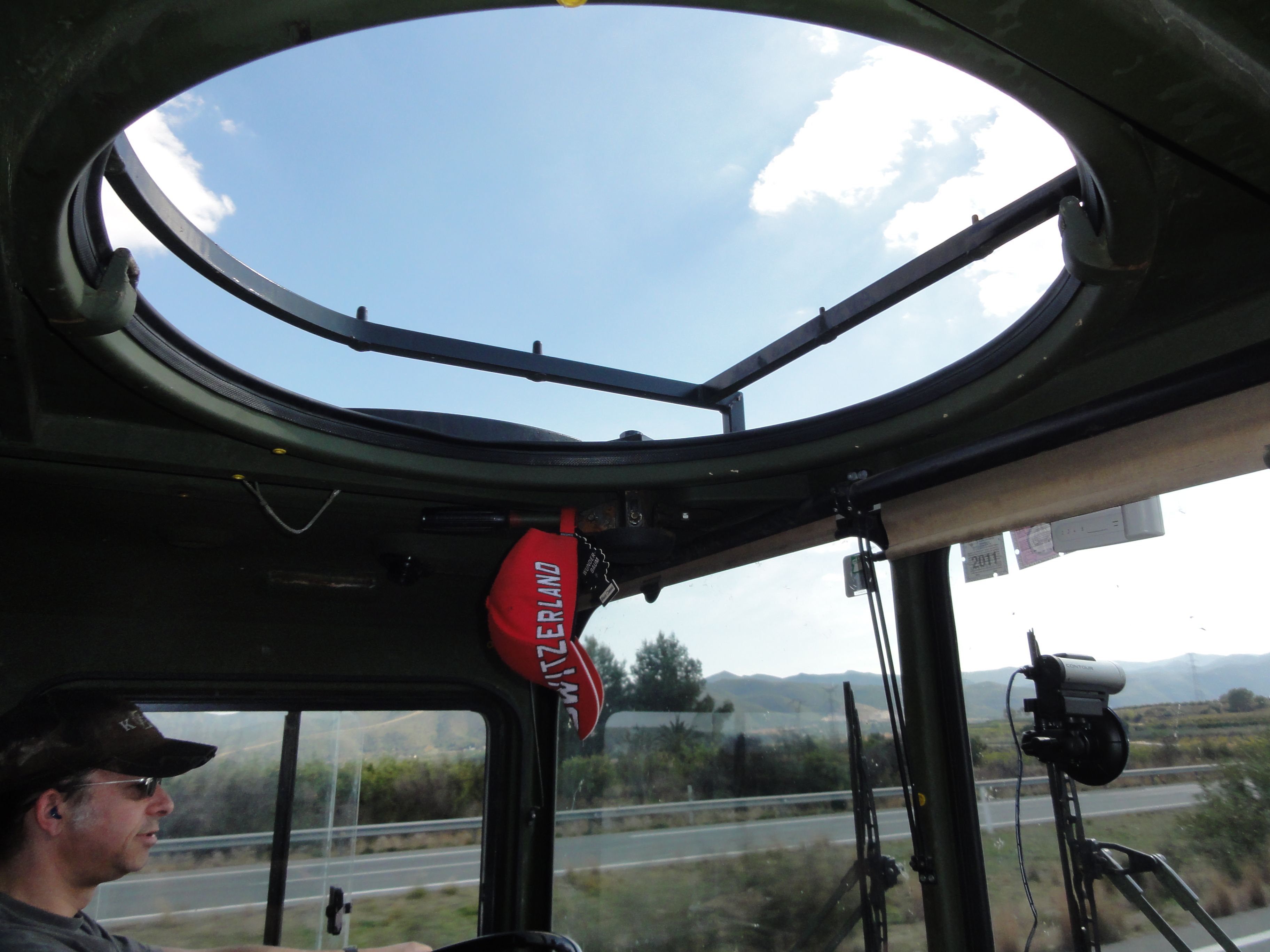
The hours were long but as we got farther and farther south, the air was warmer and we were able to enjoy the sun roof of the MAN KAT.

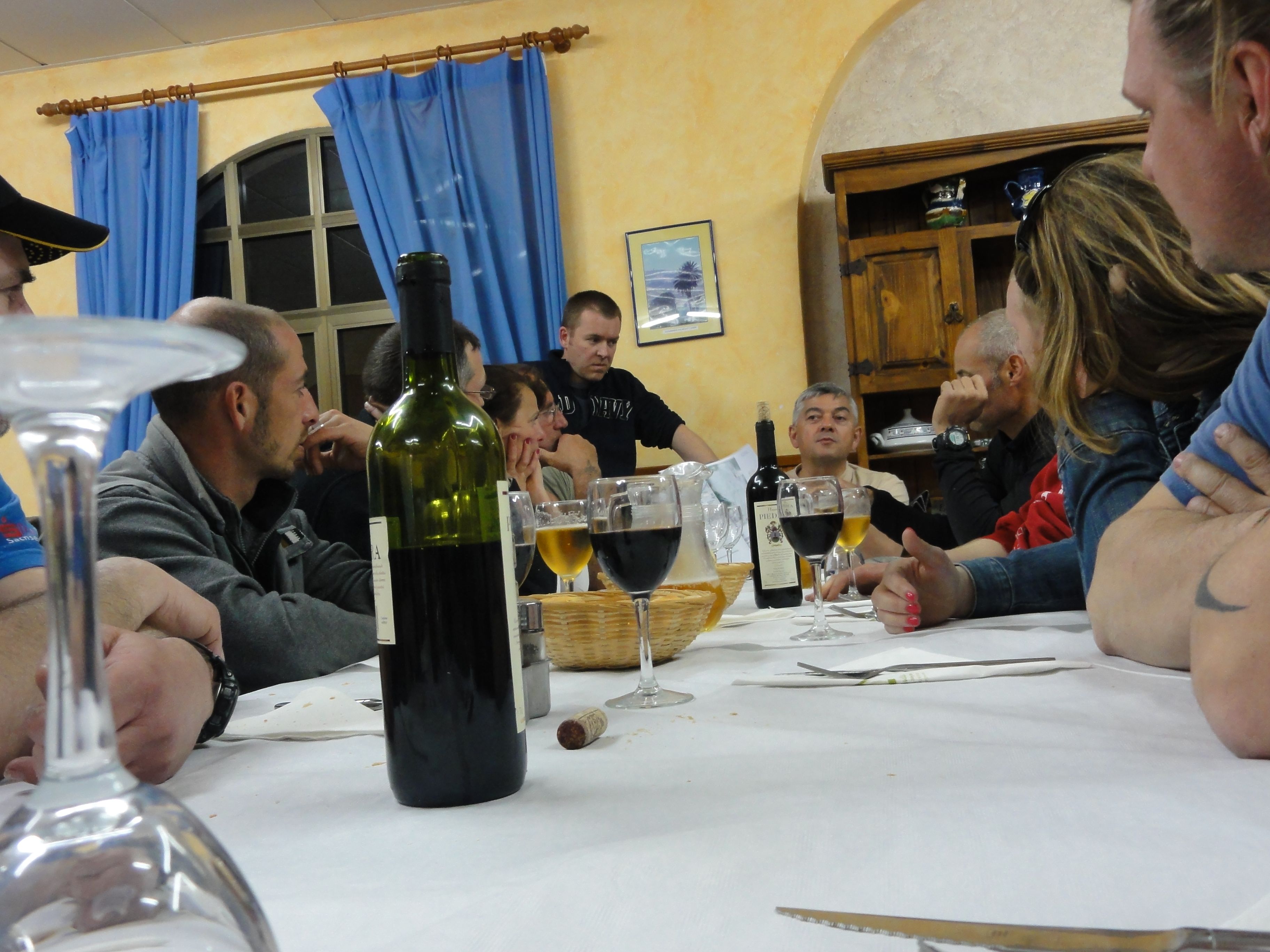
On Saturday evening, we joined the French team, Bande de Zèbres at the campground near Alméria. After dinner, we had an advance preview of the rally briefing from one of the team members who was in contact with the organizers.

Sunday morning after breakfast, we drove the last few kilometers to rally point in the port of Alméria.

We spent the day making last minute checks and adjustments at the port, waiting for the ferry

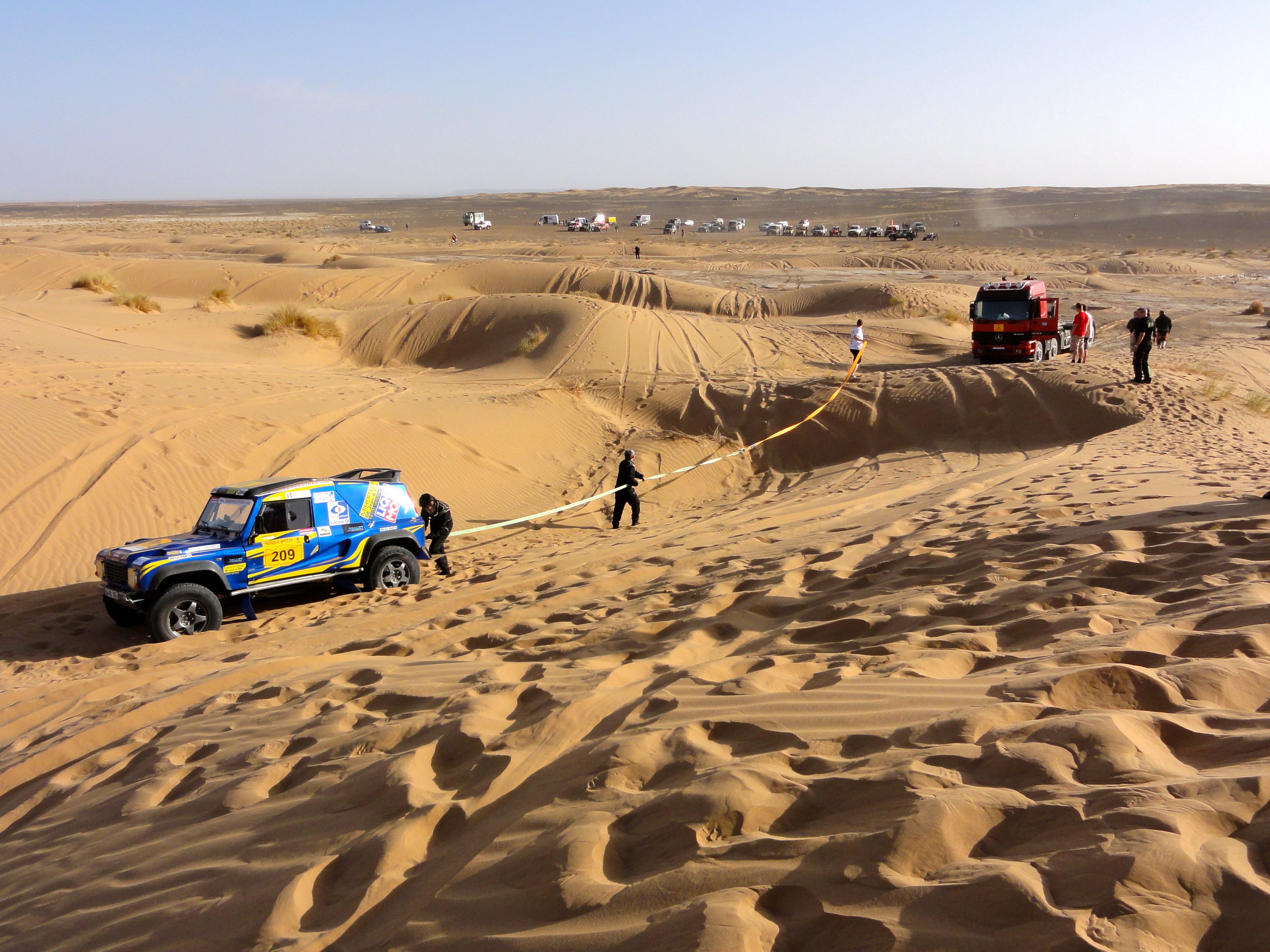
There’s no heavy truck category in the Tuareg Rally, but the Organization agreed to let the Belgian team of Gregory Vangheluwe, Tom Deleersnyder, and Wouter Leenknegt participate in the Rally with their MAN TGA 480 with the understanding that the Organization is not equipped to provide support for the truck. In case they get stuck in the desert, they’ll have to arrange their own towing and service truck

Boarding for the service teams’ ferry to Melilla was scheduled for 11:00pm, but was late. It was well after midnight before our ferry left port for Morocco.

At The Port, Waiting For The Ferry

This post was written yesterday, but we didn’t have time (or Wifi access) to post it, so we’re publishing from the hotel at the finish in Missor after the first day. It’s been non-stop since we boarded the ferry, and importing all our video and photos drained the battery on the Mac, so we haven’t been able to prepare any posts. Posts will be delayed by at least 24 hours.

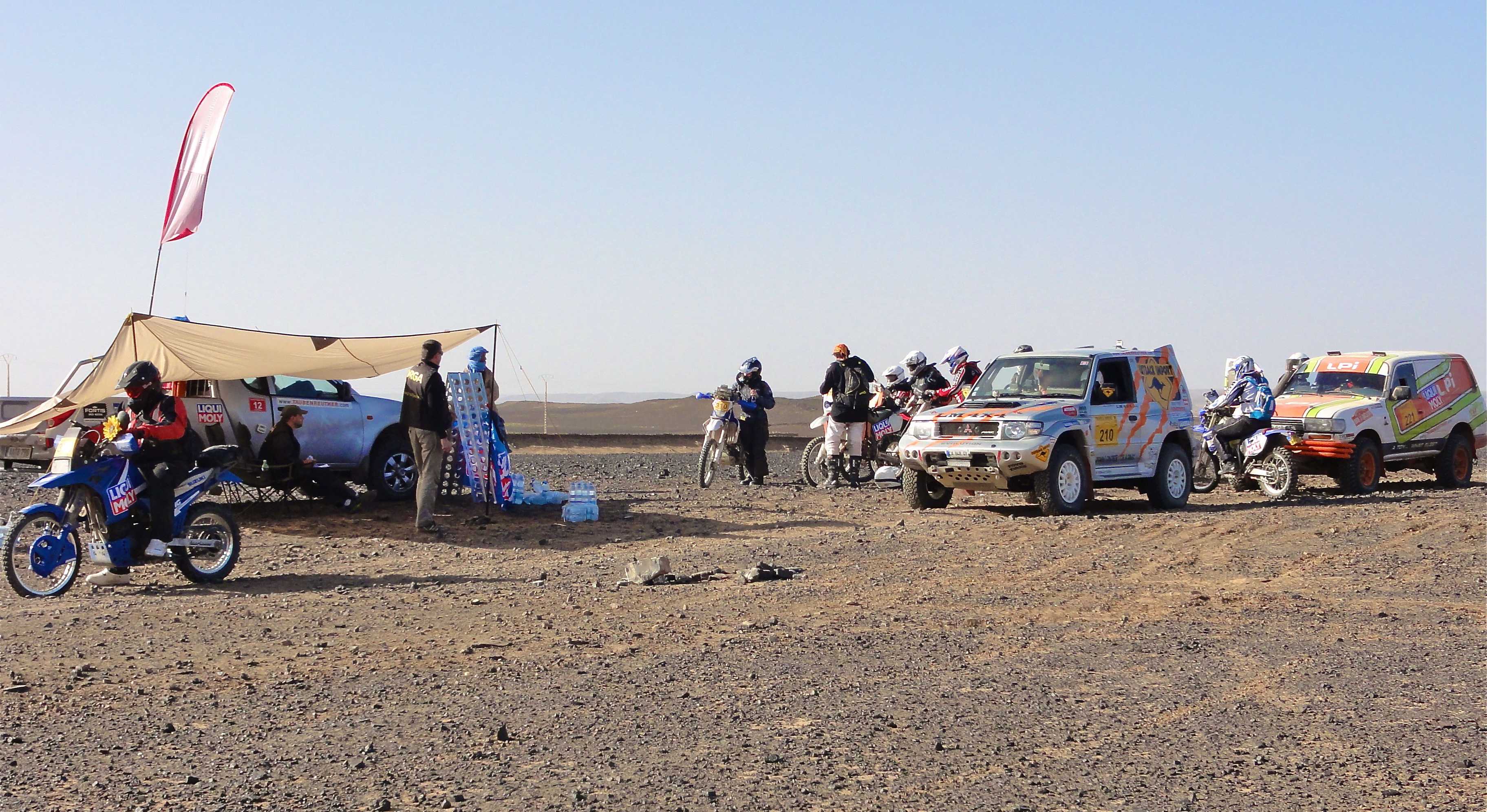
Sunday was a day spent waiting at the port in Alméria. We arrived in mid-morning and the parking lot was already filled with motorcycles, cars, trailers and heavy trucks. Each little group seemed to be speaking a different language. In an area not much larger than 50m wide there were participants from Germany, Austria, The Netherlands, France, Spain, Italy, Great Britain, and Sweden, but also Austria, the Czech Republic, and Lithuania.

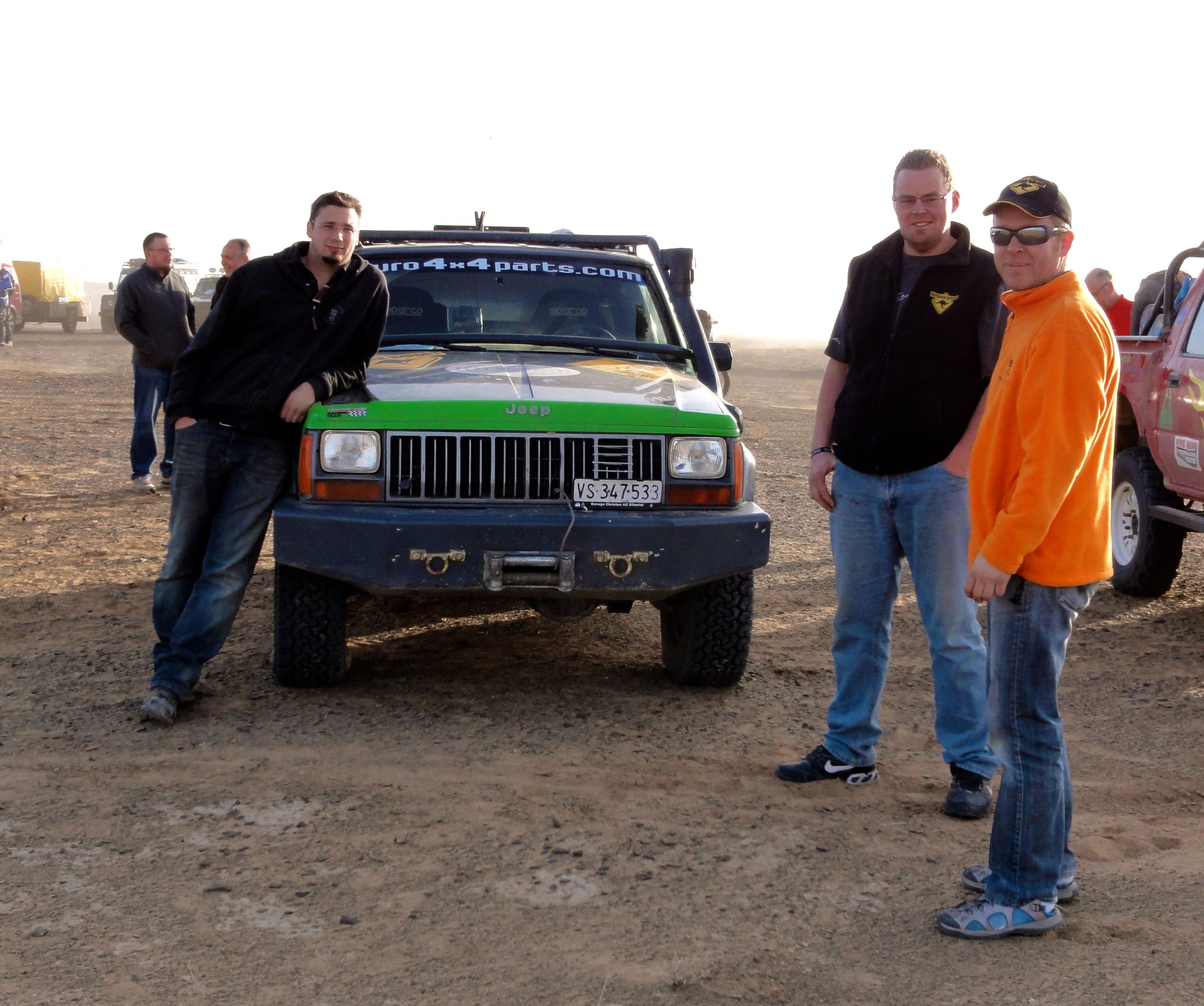
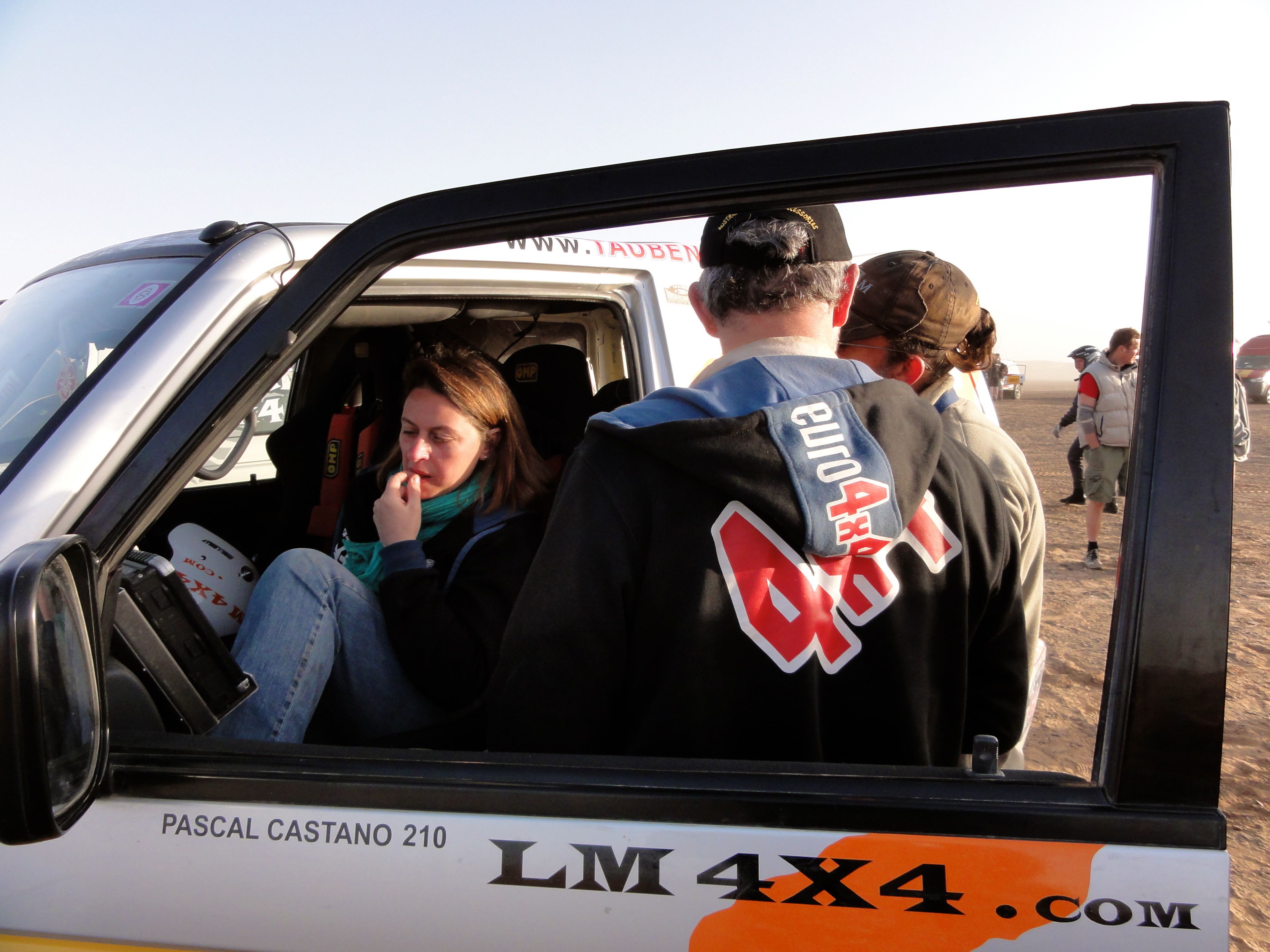
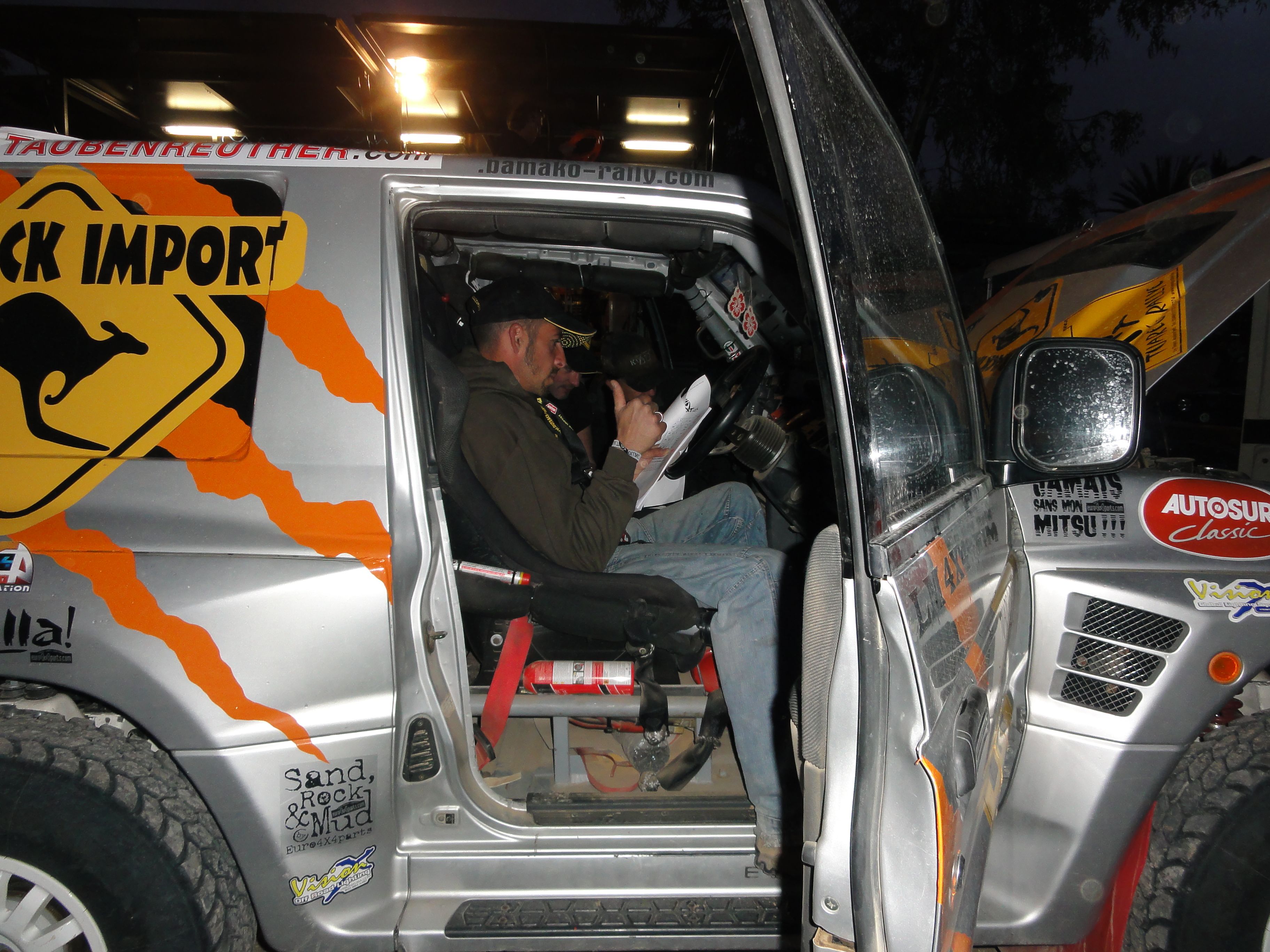
We didn’t get to the registration desk early enough so the line was long, and for the first 30 minutes it moved quite slowly. When it was our turn, we had to notify the organization of some changes in the teams. Olivier and Philippe were not able to come, and Edouard is taking their place, so he had to complete all the registration on site. Florian and Yvan are driving a Jeep Cherokee in the race, not a Tomcat, and Pascal accompanied them to provide assistance. Sylvain has a new co-pilot, also named Pascal; Cécile will take the role of co-pilot in the rapid assistance car that Raoul is driving.

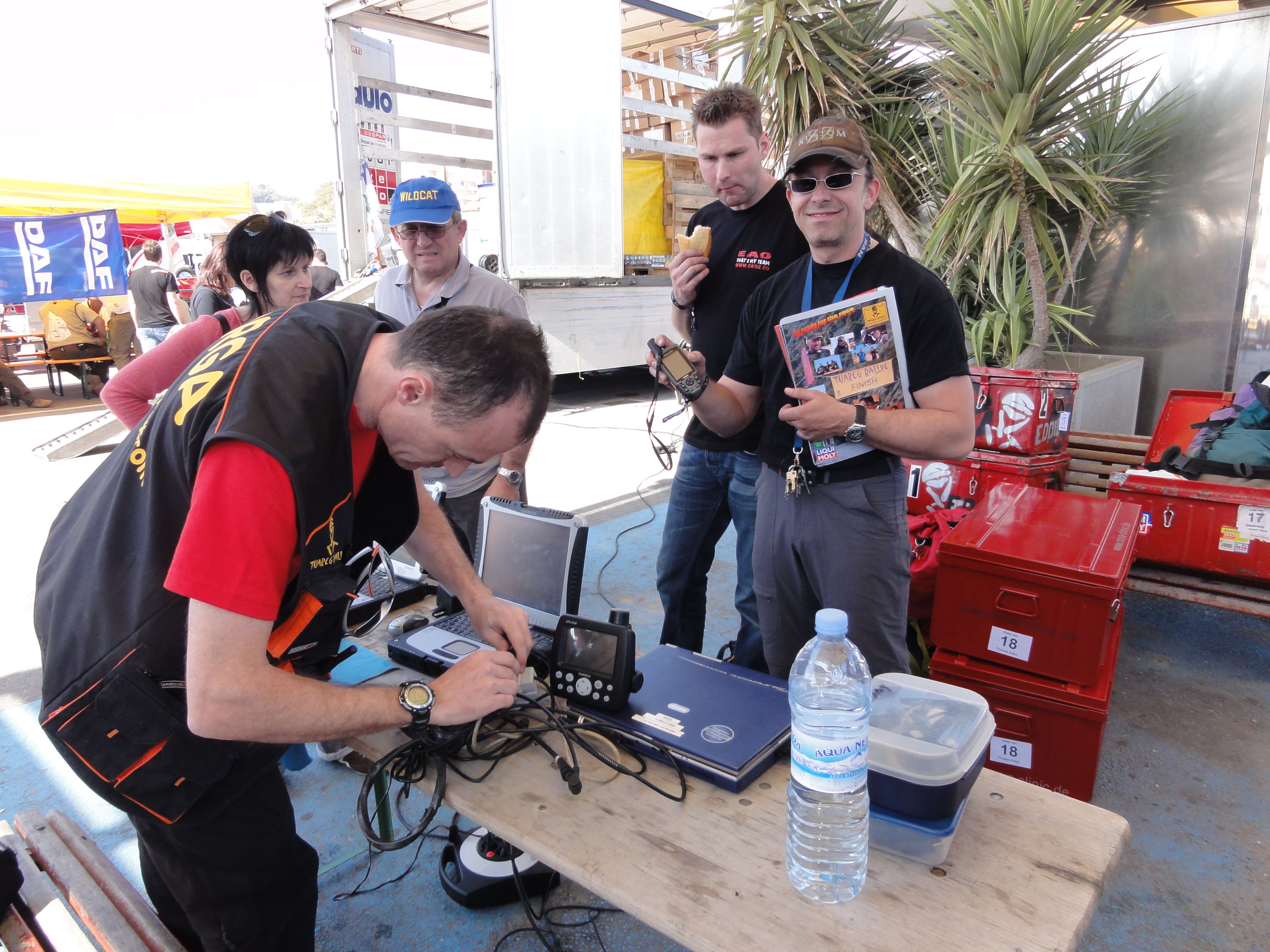
After registration, Sylvain asked for help configuring his ToughBook GPS and navigation software to correctly display the position on the map. It took over thirty minutes to find the parameters that worked. It’s not enough just to have a mechanic anymore, with all the technology onboard these cars, someone with computer experience can always come in handy. Someday soon it’ll be mandatory to have Tech Support to take care of the car too.

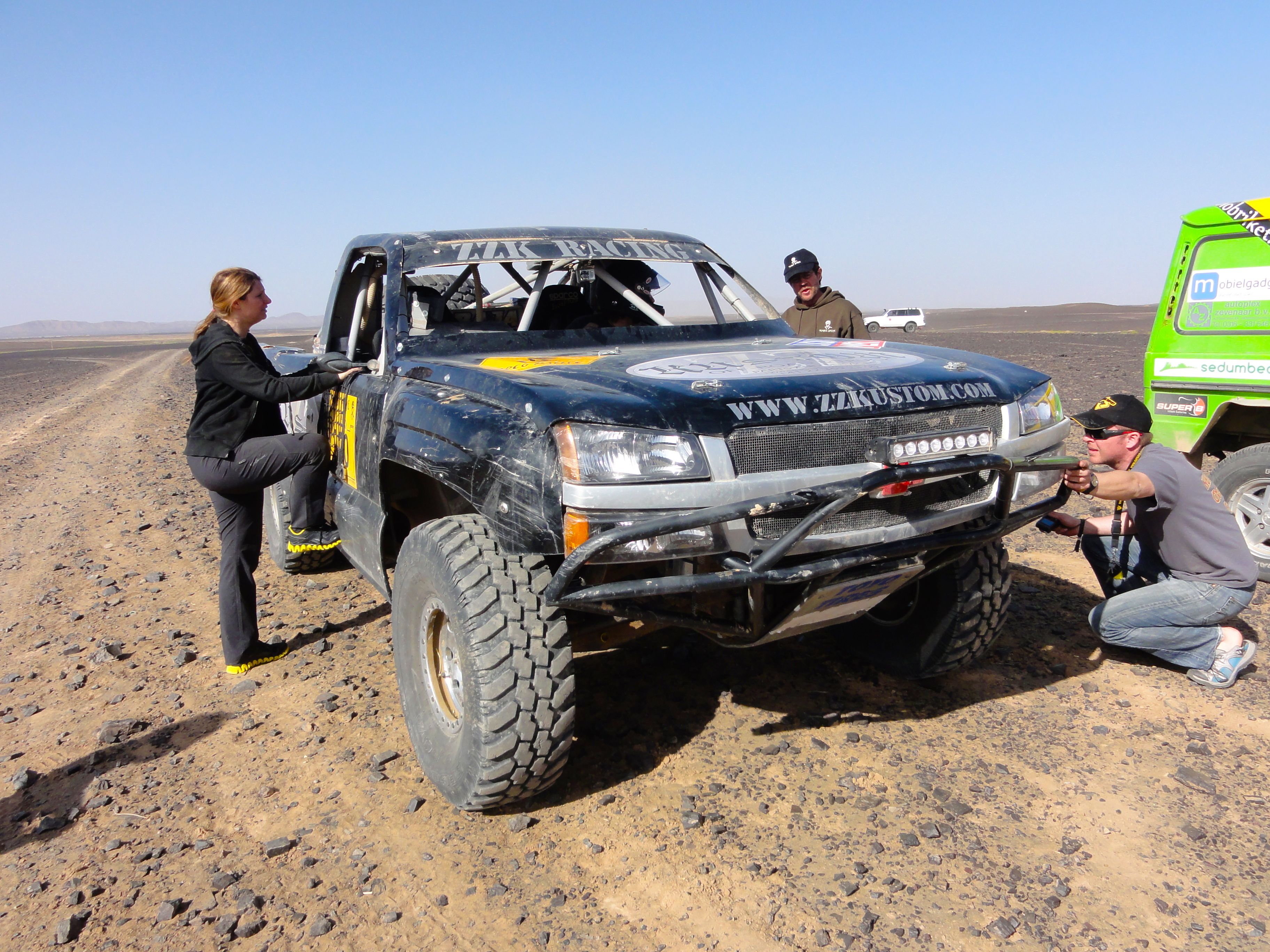
Later in the afternoon, the organization came by for the scrutineering (a check of the vehicles to make sure they comply with all the rules and safety regulations).

It was after 2pm before we had a chance to eat something for lunch. Since we had a little time to wait before the briefing, we dumped all the video from the onboard cameras and the photos we had taken on the way to Alméria onto our 500 Gb external hard drive and wiped the memory so the cards would be ready for tomorrow. As soon as we have a good Wifi connection, we’ll try publish some of them.

The briefing didn’t start until around 5:30pm. We split the group since everyone needed help getting the GPS points into their onboard navigation systems. A few people went to the briefing while the rest worked on the GPS problem. At the briefing the organizers went over the general rules and procedures in addition to providing more detailed information about the ferries. The Tuareg Rally has so many participants this year that the organizers had to arrange for two ferries. The competitors will take the ferry to Nador, while the service vehicles will arrive in the Spanish enclave of Meililla.

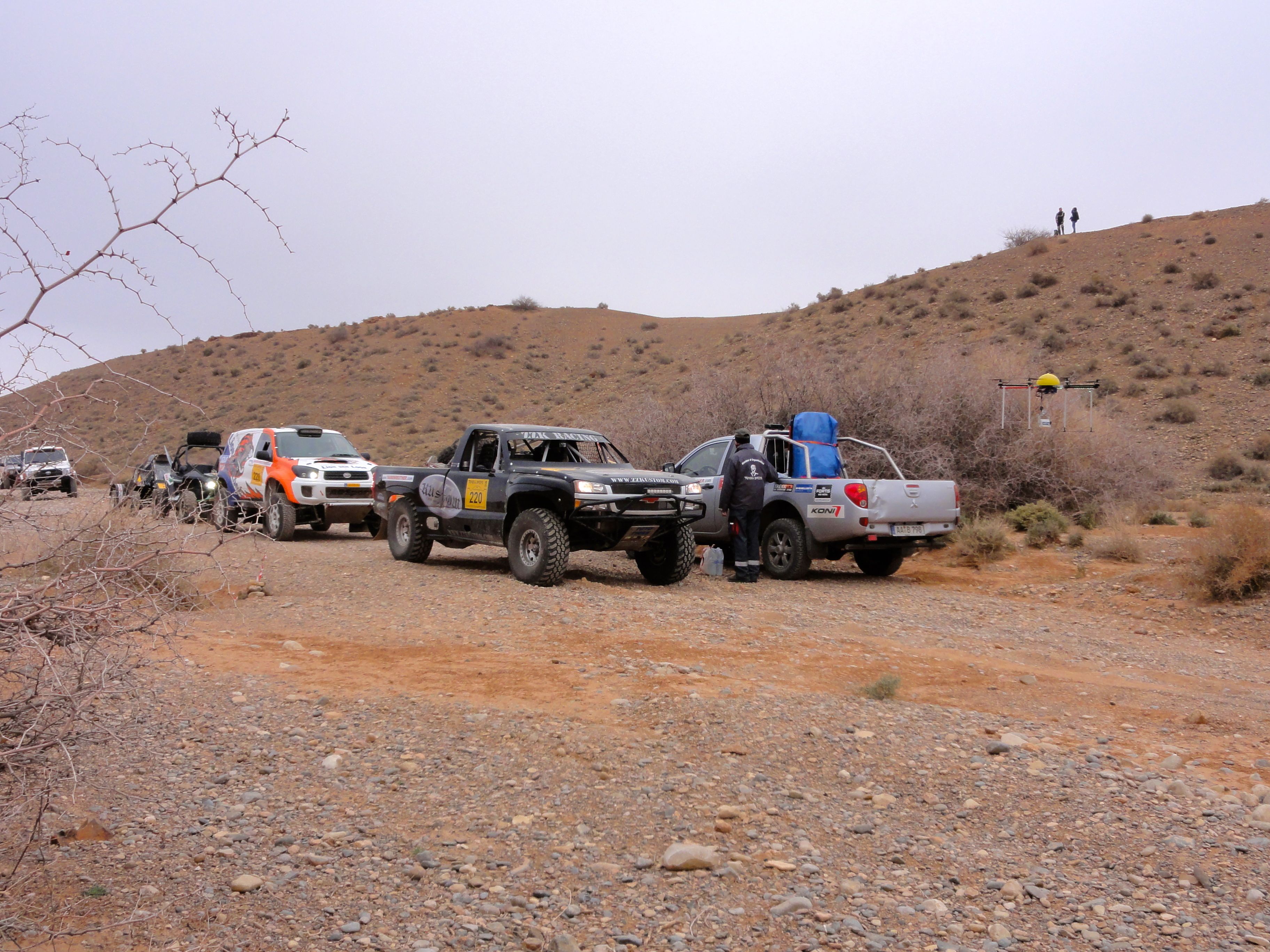
The Rally starts directly after disembarkment from the ferry. We’ll drive almost 400km south to Missor where we’ll spend the night before continuing on to Merzouga. We won’t see our racing teams until everyone is at the finish, that is, unless someone needs assistance along the way, but we hope that won’t happen! There are two assistance/photo points along the course where we’ll try to get some pictures from the race.

Update: We’ve added two photos from the photo album on the iPhone.

20120319-203933.jpg

20120319-204022.jpg