Testing
March 29, 2013 Leave a comment
Some photos from last week’s test drive, the first since the Tatra was reassembled.


Cross-country desert trucks
March 29, 2013 Leave a comment
Some photos from last week’s test drive, the first since the Tatra was reassembled.
March 25, 2013 1 Comment
We got back from the Czech Republic the weekend before last. We spent a week there to see how the work on the Tatra was going and to help out a little in putting it back together. We were glad to have the chance to learn more about the construction and modifications, which may also help if we need to make repairs or adjustments during the rally.
In addition to installing the CTIS, the upgrades also involved a few improvements to the suspension, including the air bellows that are part of the pneumatic suspension. The original Tatra 4×4 bellows were replaced with a smaller lighter version designed for the Tatra 6×6, which has eight bellows on the two rear axles. The Tatra 4×4 has only four bellows on the rear axle. Comparatively, even though the Tatra 6×6 can haul a heavier load, each of the bellows on the Tatra 4×4 are designed for a heavier load because there are only half as many to support the total weight. Since we’re preparing our Tatra for racing, we won’t be carrying anything heavy, and we can afford to change the bellows to the lighter 6×6 version, which is more reactive and should make a smoother ride during the race.
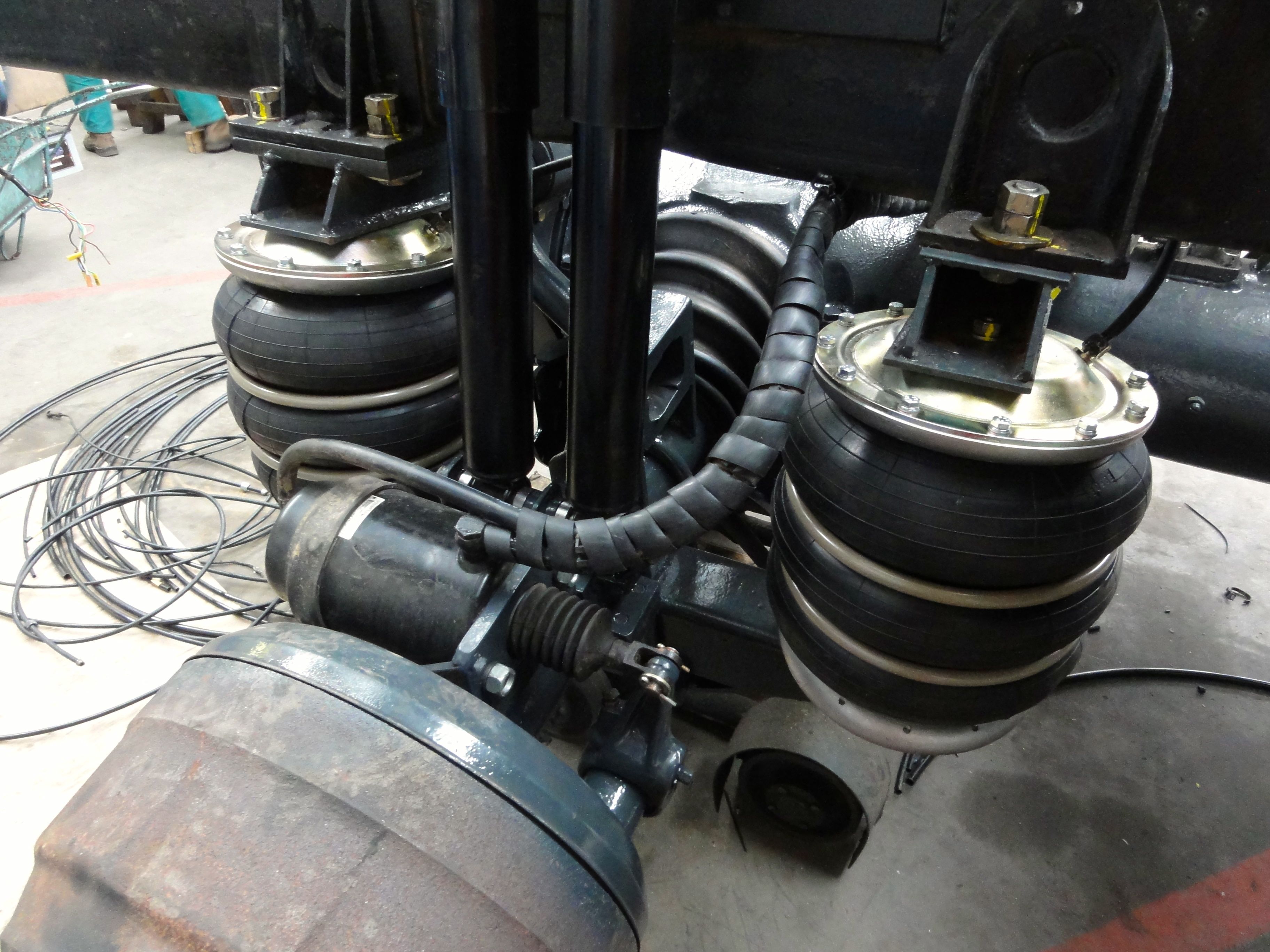
While we were there, the engine was remounted.
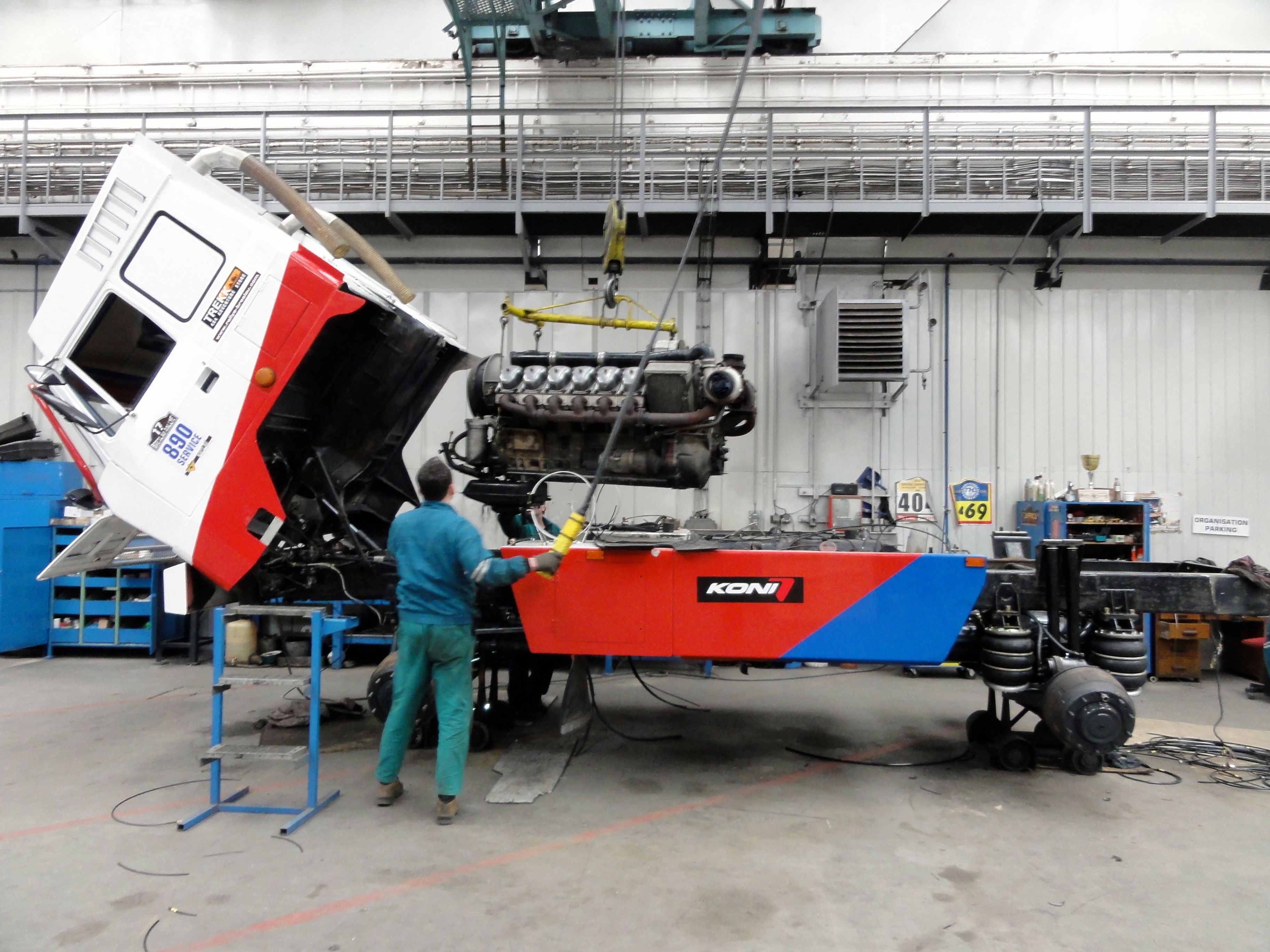

We also mounted the front wheels.

It’s usually hard to see the front axle because of the skid plate, but because it hasn’t been remounted yet, the newly painted axle is easy to spot.

The CTIS has been completely installed and tested in the workshop. The air pipe on the hub will be protected by a cover. It has a vane so that it can be isolated and so the tire can be inflated normally in case of a problem.

This is how it looked when we left.
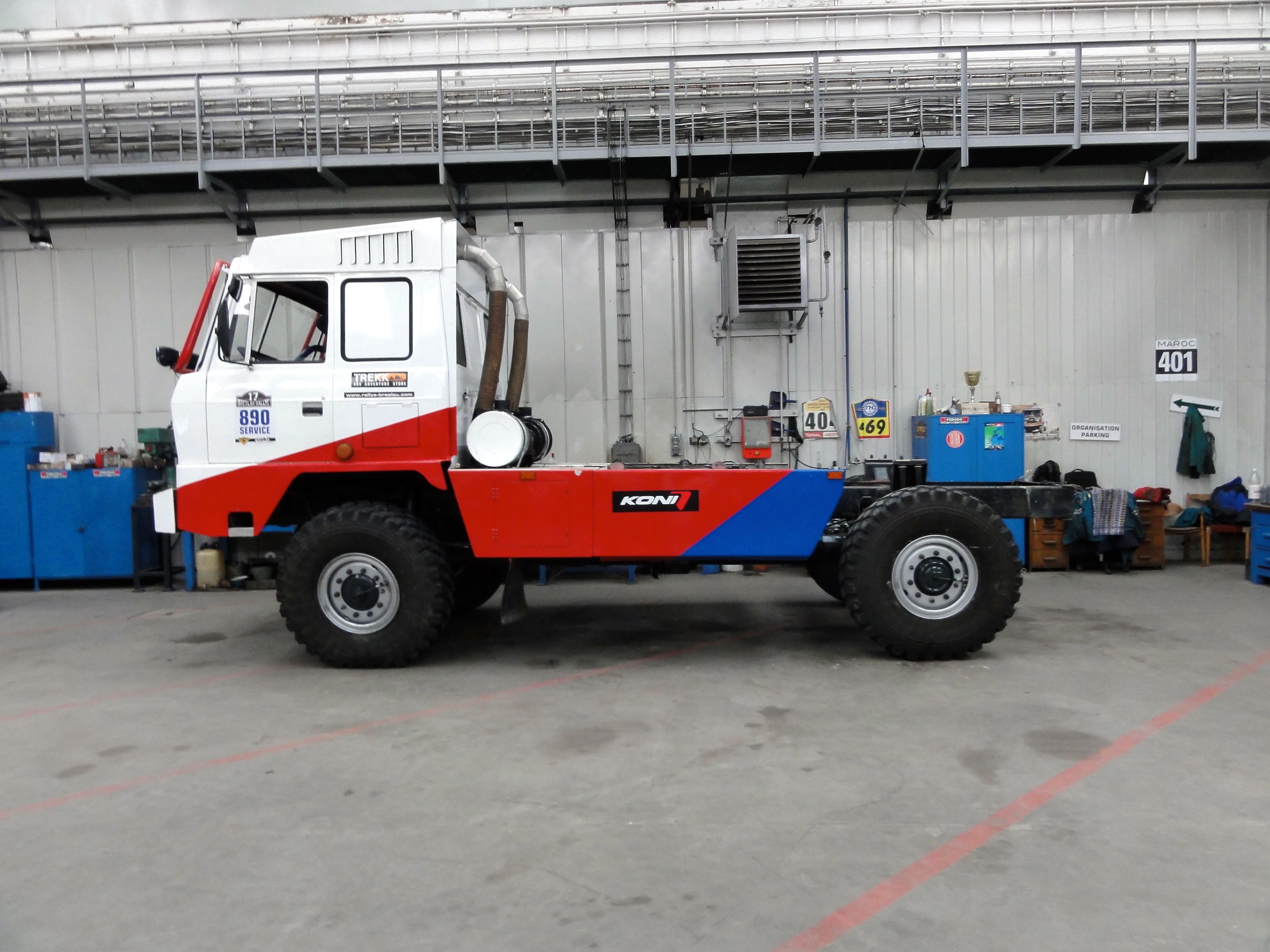
Unfortunately, we weren’t able to stay for the first tests this week, but we’re planning to go back for some offroad tests soon.
February 26, 2013 Leave a comment
With the cold and snow this past week, it’s hard to believe that spring is less than a month away. Likewise, with all the work that still remains before the Tatra will be ready for our first rally, it’s hard to imagine that as winter draws to a close, so will the upgrades for the race.
A few weeks ago, the rear axle looked like this:


Now the parts have been inspected and the worn pieces replaced. The axle has been put back together, painted and is waiting to be remounted.

The hole in the center is for the CTIS. The air will pass through the shaft in the axle to the tires, through a small hose that will connect the rim to the air supply.
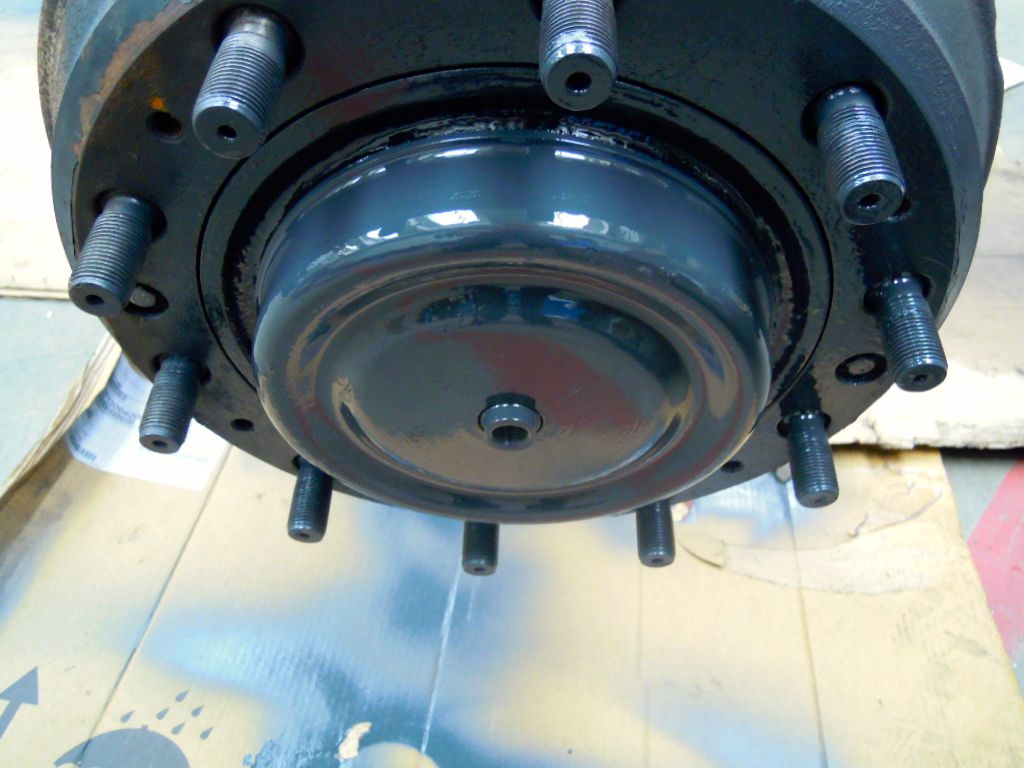
The front axle is ready too,


and the air hoses for controlling the CTIS from the cabin are ready and waiting to be connected.
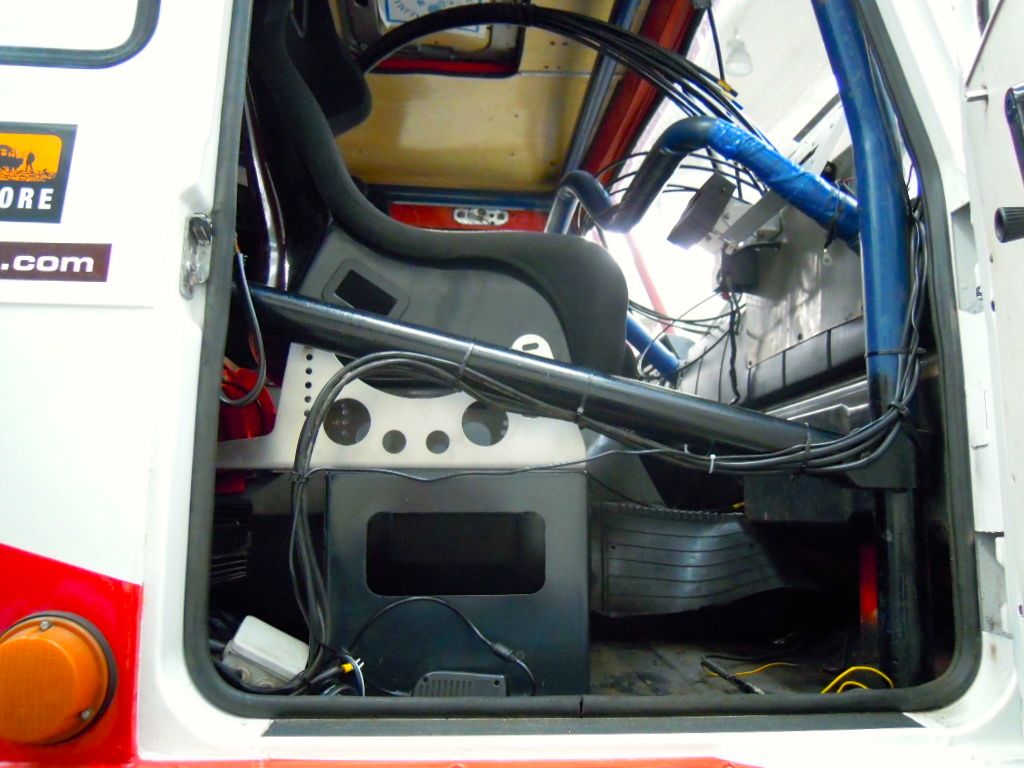
Soon comes the big job of putting everything back together again.
February 24, 2013 3 Comments
Yesterday we went to Machilly, France for a fundraising dinner for Team Destination Extrême. In the afternoon they had a 4×4 Expo, so we decided to take the TGB 30. The temperatures were below freezing, and it snowed on and off for most of the day. Of course, -5°C is rather warm compared to the winter temperatures for which the Scania was designed.
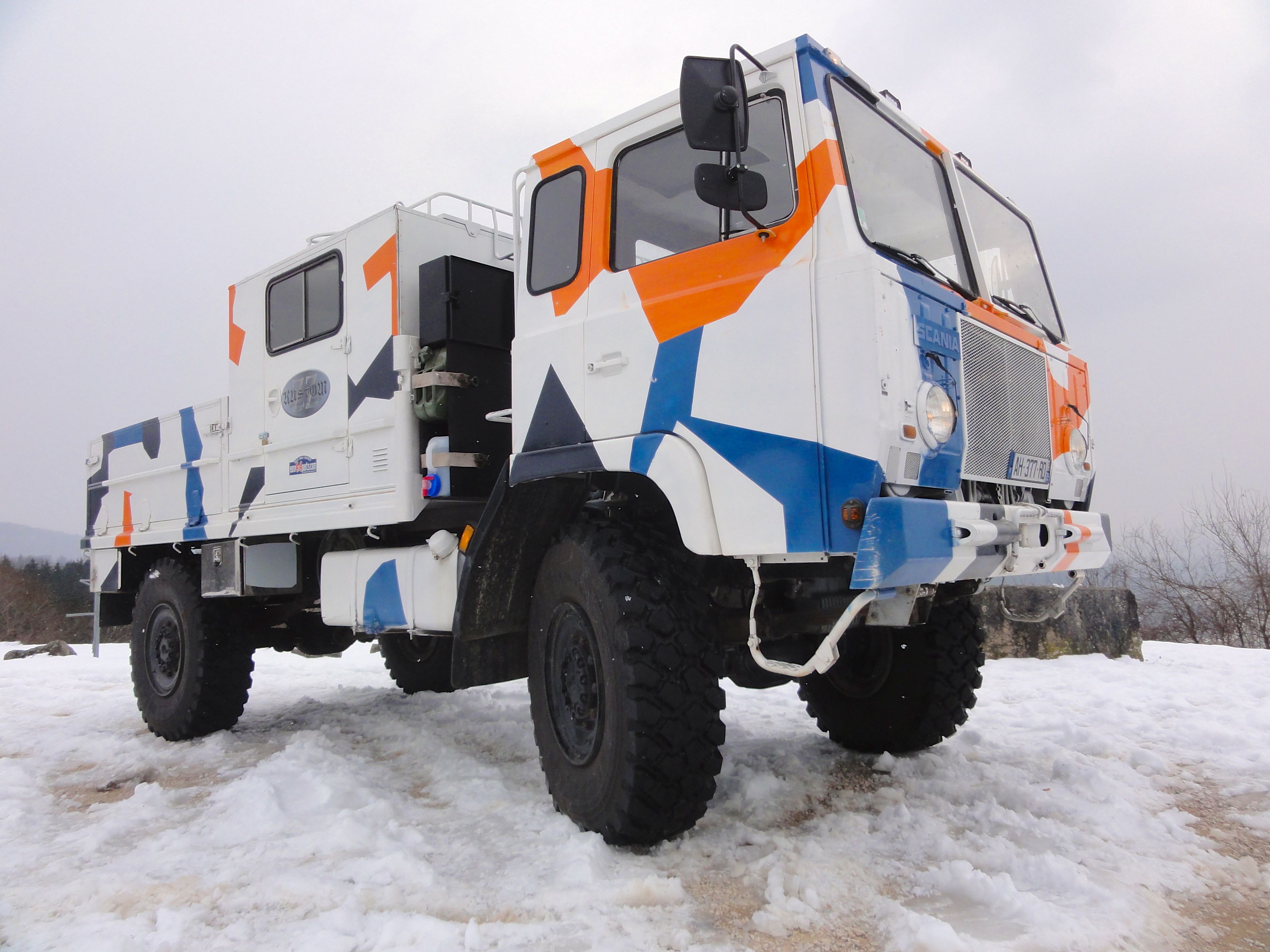
Unfortunately, traffic was heavy because winter vacation started this weekend, and there was a traffic jam on the highway as cars full of families headed for the ski slopes. By the time we arrived, it was just before dark, and the expo was winding down. We had a cup of coffee and warm red wine before joining the small crowd inside for dinner.
For a few hours, we forgot the winter cold outside as we chatted with our friends and acquaintances about 4x4s and watched a short video from the Breslau Rally in Poland last July. We didn’t get home until 1:00am, but it we had a very nice evening and were happy we could go out to support our friends.
February 13, 2013 Leave a comment
Things seem quiet in the winter, but a lot more is going on behind the scenes than meets the eye.
The Tatra is still in pieces, but meanwhile the renovation of the Iveco Eurocargo is moving along slowly but surely. Last weekend we installed the electricity for the power tools and the interior and exterior lighting and took some photos of the new stowage rack and outside doors for rapid access to the stowed material.
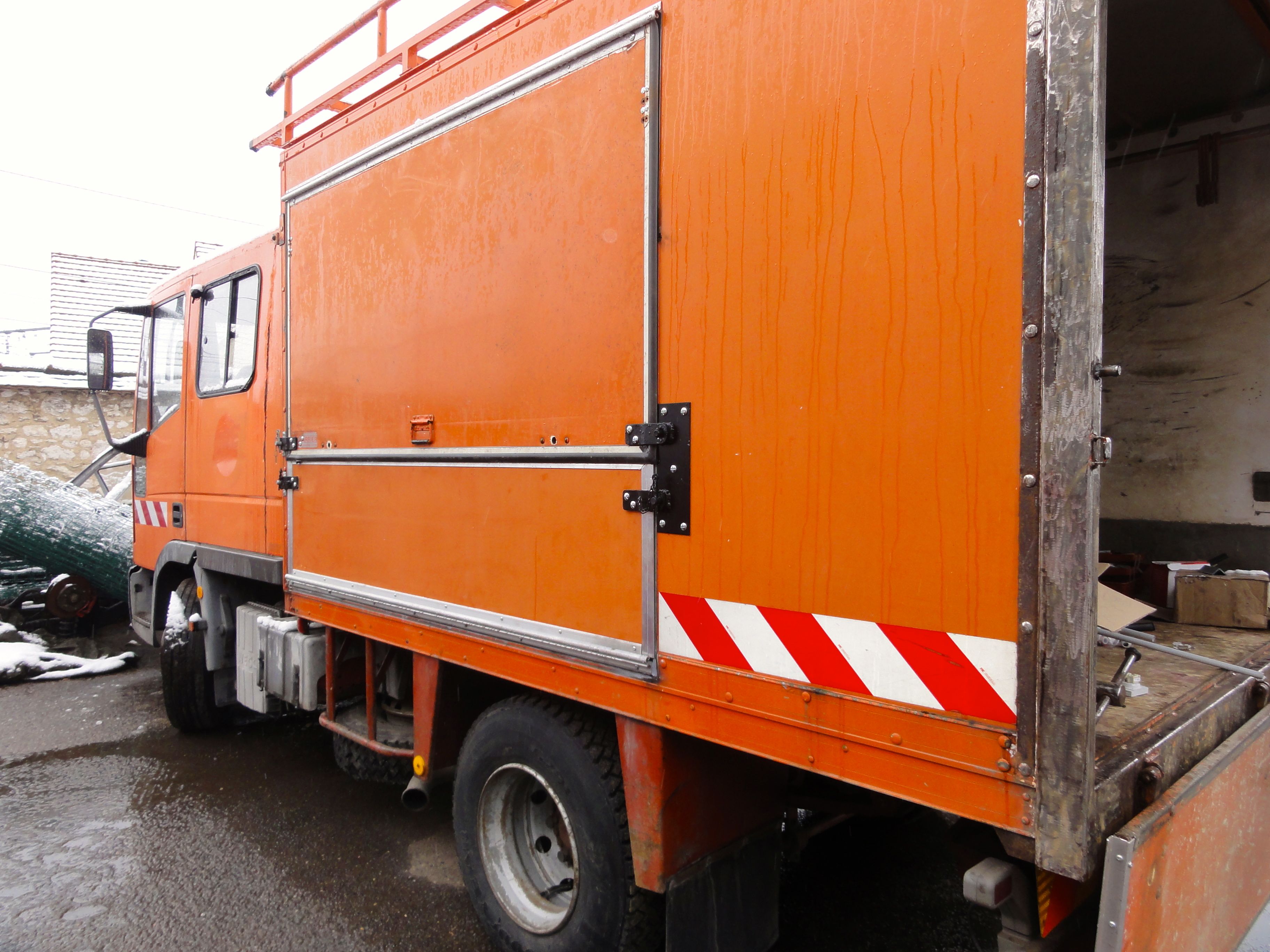
We have enough room for sixteen trunks in the rack!
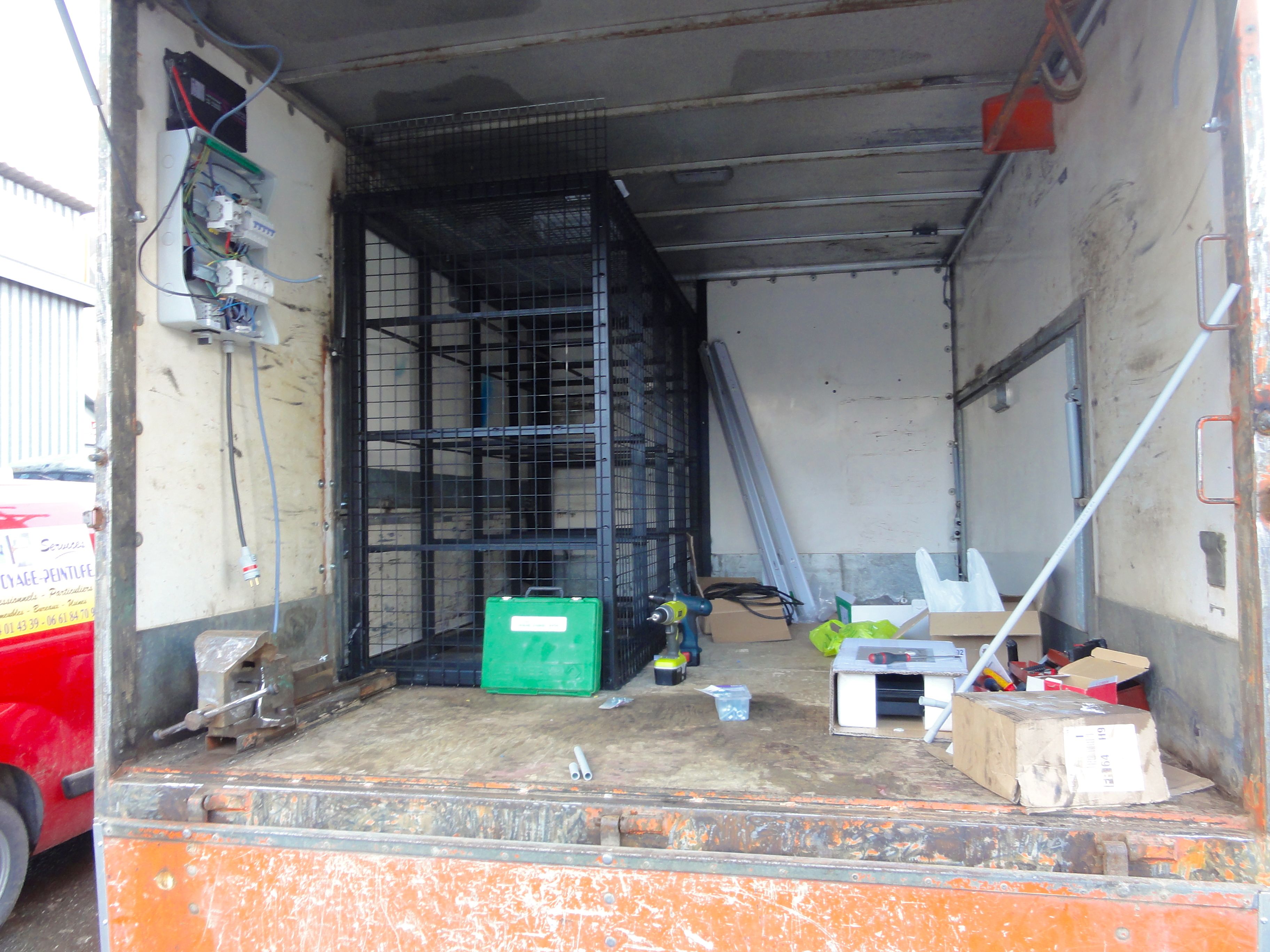
When we had finished the installation, we tried out the lighting on the first assistance for mobilette (moped) 47. It’s brighter than it looks in the photo, and we have enough spots that we’ll be able to light areas to work outside on three sides of the truck.
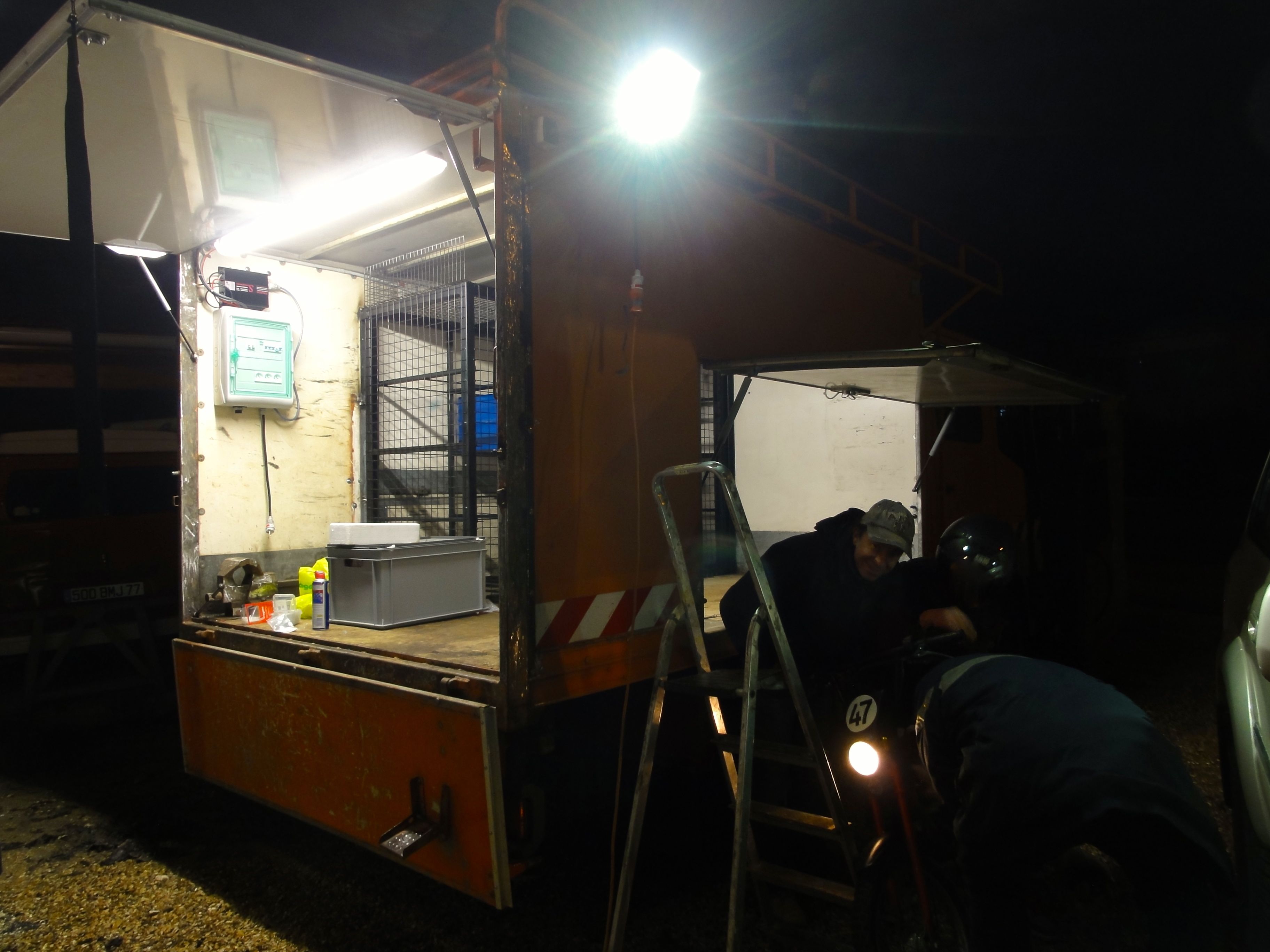
Now for a little coat of paint, some cleaning up and service and the Erg Racing service truck will be almost ready to go.
January 31, 2013 Leave a comment
The specs of our Tatra and Scania are consistently among the most viewed pages on ergracing.com. We’ve just added the specs of the Erg Racing Iveco service truck and replaced the separate pages for each truck with a single page that now lists the specs for all of them.
Likewise, one of the most popular post categories here is rally. To make it easier to find posts relating to individual events, we’ve made a new Rally Index page. The page contains a list of rallies we’ve been to along with an index of links to related posts.
In addition to the post category tabs on the second menu bar at the top of the page and the search bar at the top right of the header, we hope these changes will make it even easier to navigate through the site.
January 28, 2013 3 Comments
As we continue preparing for our first rally, the preparation of our Tatra is advancing too. The main modification is the installation of the Central Tire Inflation Sysyem (CTIS). The air supply to the tires will pass inside the axles, which must be removed so that a shaft can be bored. To remove the axles, the truck has literally been taken apart.
It doesn’t sound as impressive on paper as it looks in the pictures. This is a big job!

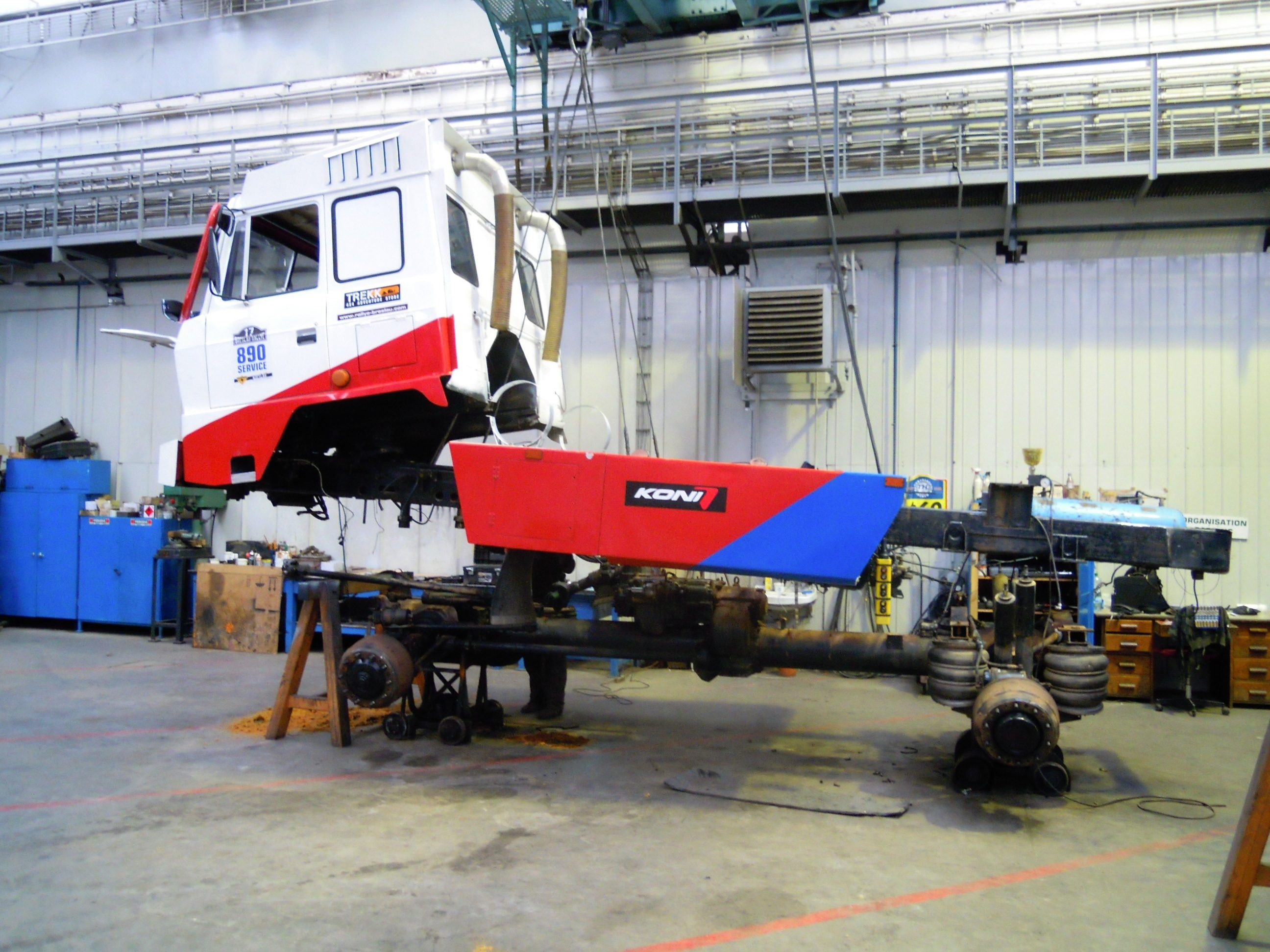
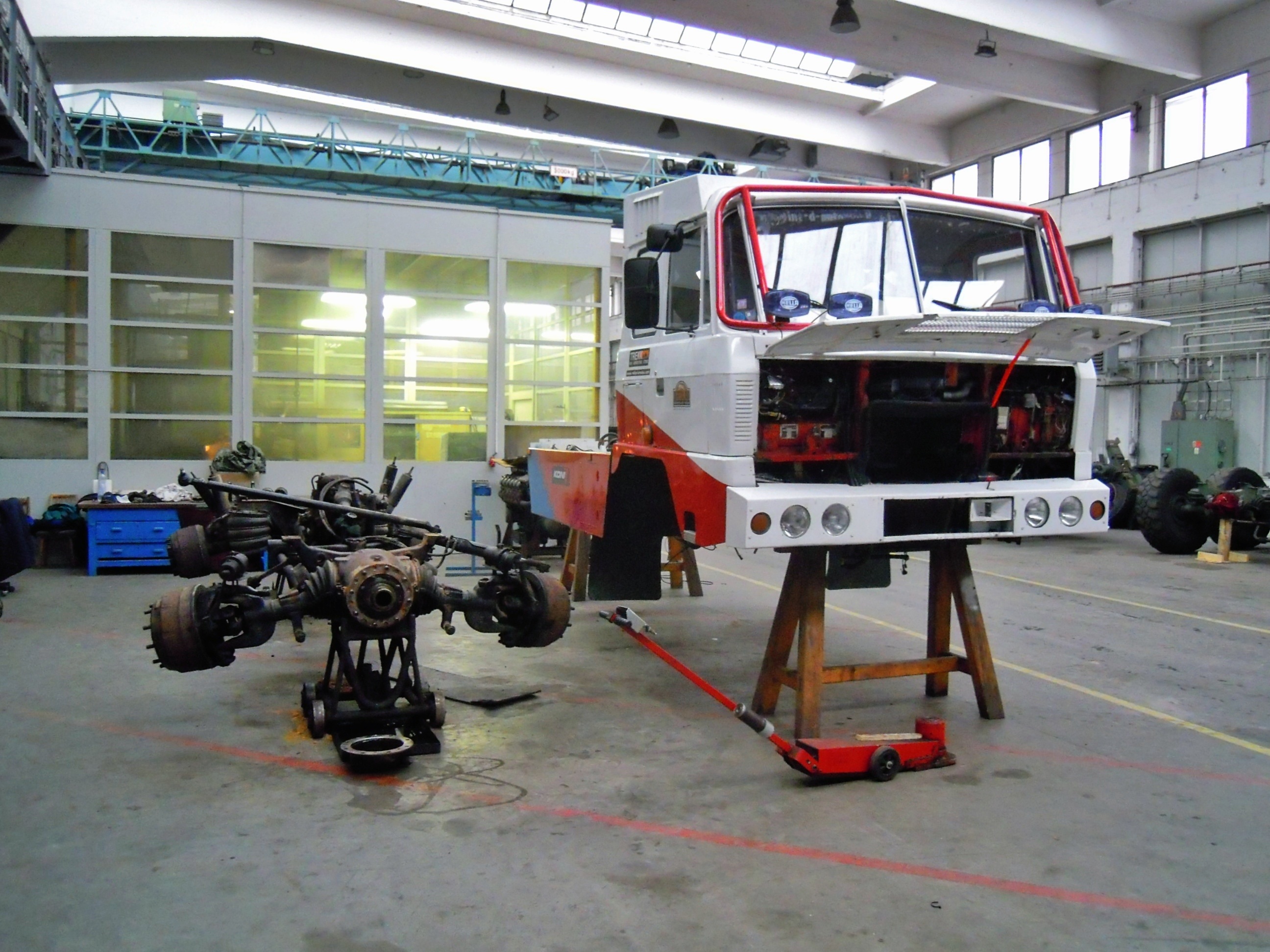
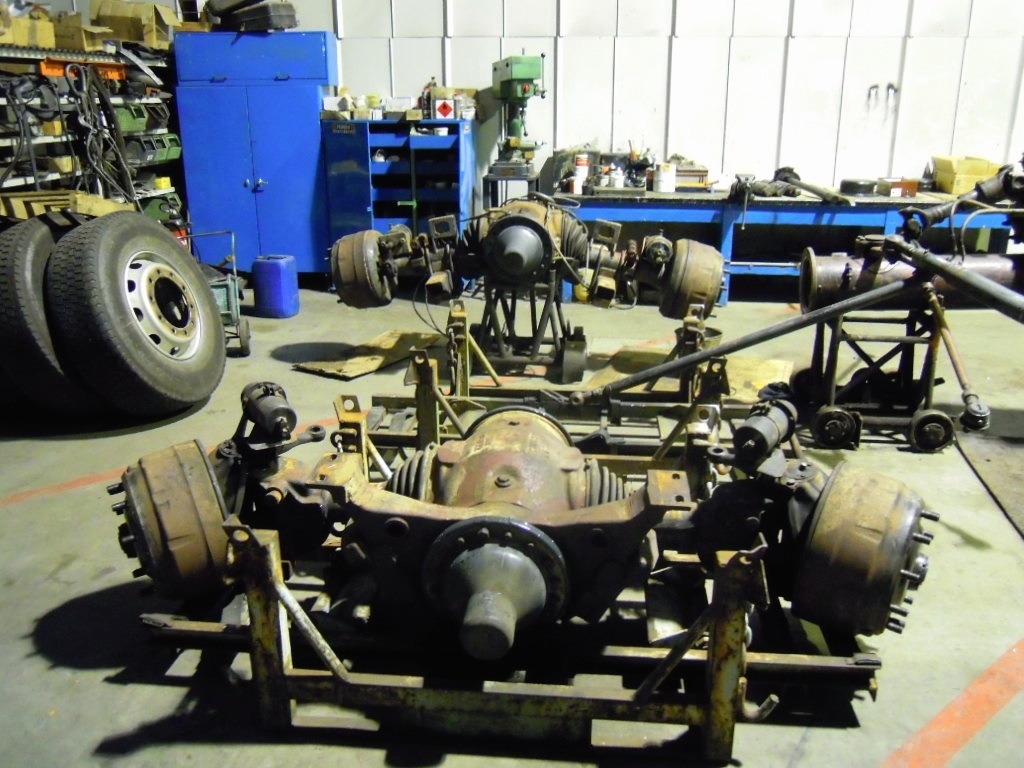
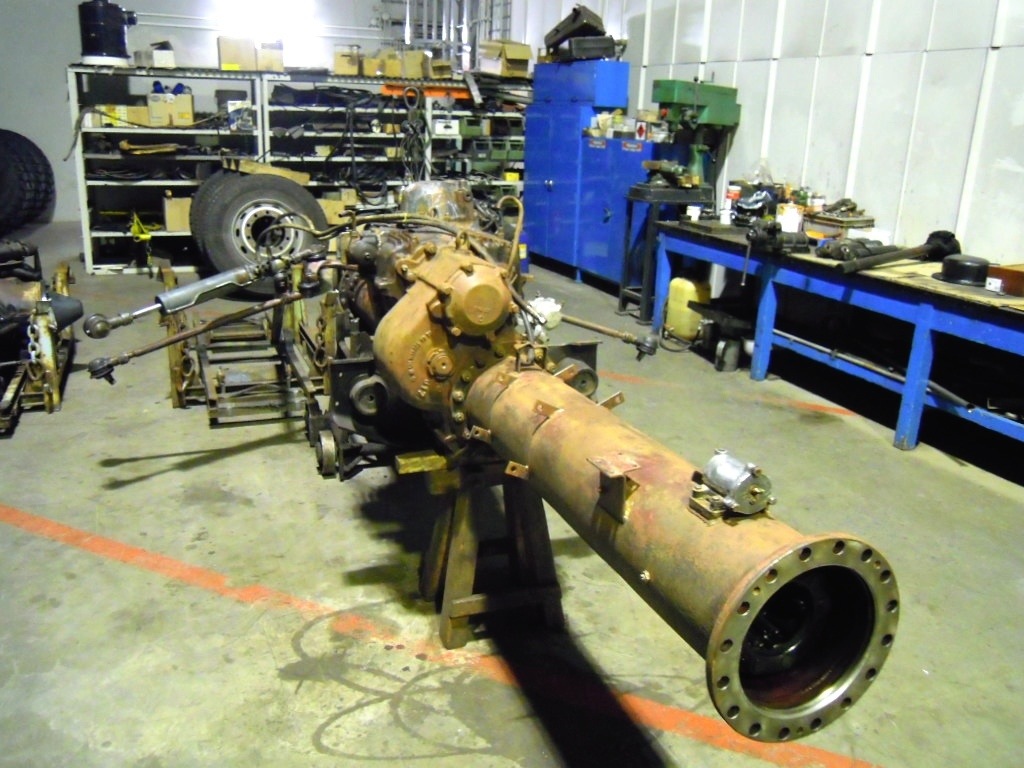
While everything is dismantled, it’s a good time for a complete checkover, cleaning and painting.

These photos are enough to make our hearts flutter, but it’s comforting to know our Tatra is in good hands.
Of course, we’re looking forward to when it will all be put back together again and we can try it out.
We’ll be posting more news over the coming weeks.
January 27, 2013 Leave a comment
The warm sunny skies of Morocco seem far away from the frozen scene outside the window. Last weekend, we went to pick up the new Erg Racing service truck in Châteauroux, braving the worst winter storm in France so far this year.
We were stuck for almost five hours on the Route Centre Europe Atlantique N79 between Mâcon and Moulins because of freezing rain. There was about a centimeter of ice on the roadway, and two trucks had jack-knifed several cars in front of us. With a third accident behind, we were trapped on the divided highway since there was no way to get out except to wait for the emergency responders to clear the scene. We spent almost as much time stopped on the road as we did driving.
We got to Châteauroux at a quarter to six in the morning and had time to sleep for about an hour before our rendezvous to pick up the truck.
It’s an Iveco Eurocargo 80E15 with a double cabin that has 7 places: driver + 6 passengers.
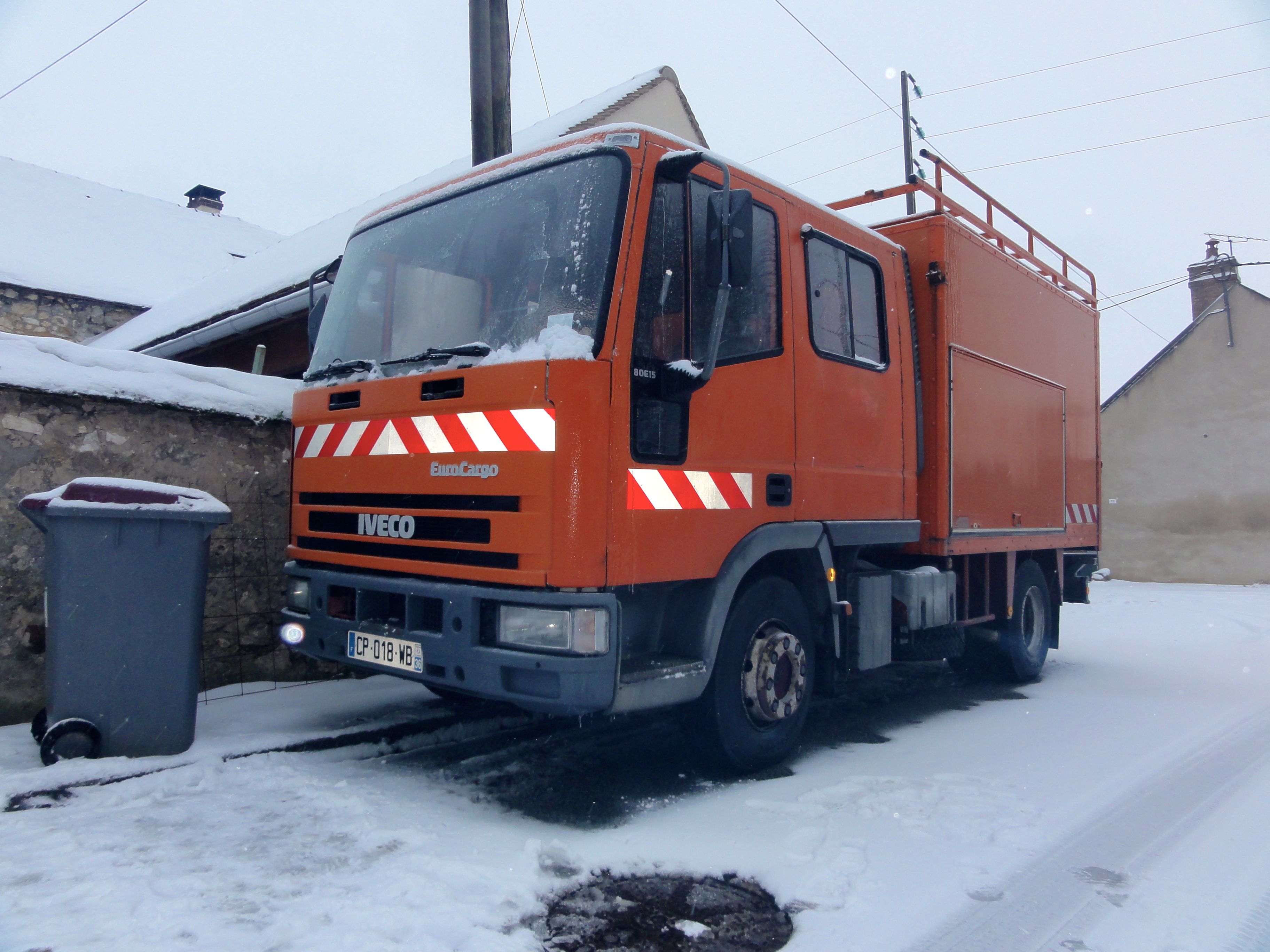
The truck is in good condition. Over the next few weeks we’ll have it serviced and furnish the interior of the hold with stowage for trunks, spare parts, and the other tools and equipment we’ll need for service during the rally. We’ll also install full lighting for the interior and exterior workspaces to facilitate working beside the truck at night in the bivouac.
We’ll post more information as the work progresses.
January 25, 2013 2 Comments
The trip from Zagora to Nador would take two days. To make the drive easier on the cars that hadn’t been prepared for the rugged tracks we had been following for the past week, we had planned to take the highway north to Errachidia. From there, after the Gorges of the Ziz, some of us would take a dirt track for one last leg offroad, while the rest would continue by highway. The two groups would meet in Nador the evening before the ferry.
At breakfast, the plan changed. Everyone was sad to leave the warm sunny weather and beautiful countryside, and those who needed to drive carefully had found an “easy” track they wanted to try from Zagora to Tazzarine through the Tizi-n-Tafilalet between the Jbel Rhart and the Jbel Tadrart. Everyone was happy with this option. We’d take this track to Tazzarine where we’d join the highway and continue on the original plan.

The chosen route passed the start of the Special Stage we had practiced on the day before. This time, instead of driving overland toward the Tizi-n-Tafilalet, we turned onto a well-maintained track that was wide and smooth. Given the aspect of this track, it seems likely to be paved before long.

We stopped near the pass to take some pictures and then got back underway. There were several intersecting tracks at this spot, and we weren’t sure we had taken the right one. At first it was easy to follow, but soon the way narrowed, becoming winding and rocky. Having studied the roadbook the day before, we suspected the track followed part of the stage we had skipped. We tried to match our location with the indications in the roadbook, but we were driving the roadbook in reverse and had not recalibrated the Terratrip, so it was a losing proposition.
We were about 15 km from Tazzarine as the crow flies when we had to stop. The steering tierod on one of the cars had broken. The mechanics in the group had a look, but this time there was not much they could do. We’d have to get the car to a garage for repair before they’d be able to finish the drive to Nador. We didn’t have cell phone coverage, and there wasn’t much question that it would be better to drive out instead of waiting for a tow truck, so we slowly made our way to Tazzarine behind the damaged car.
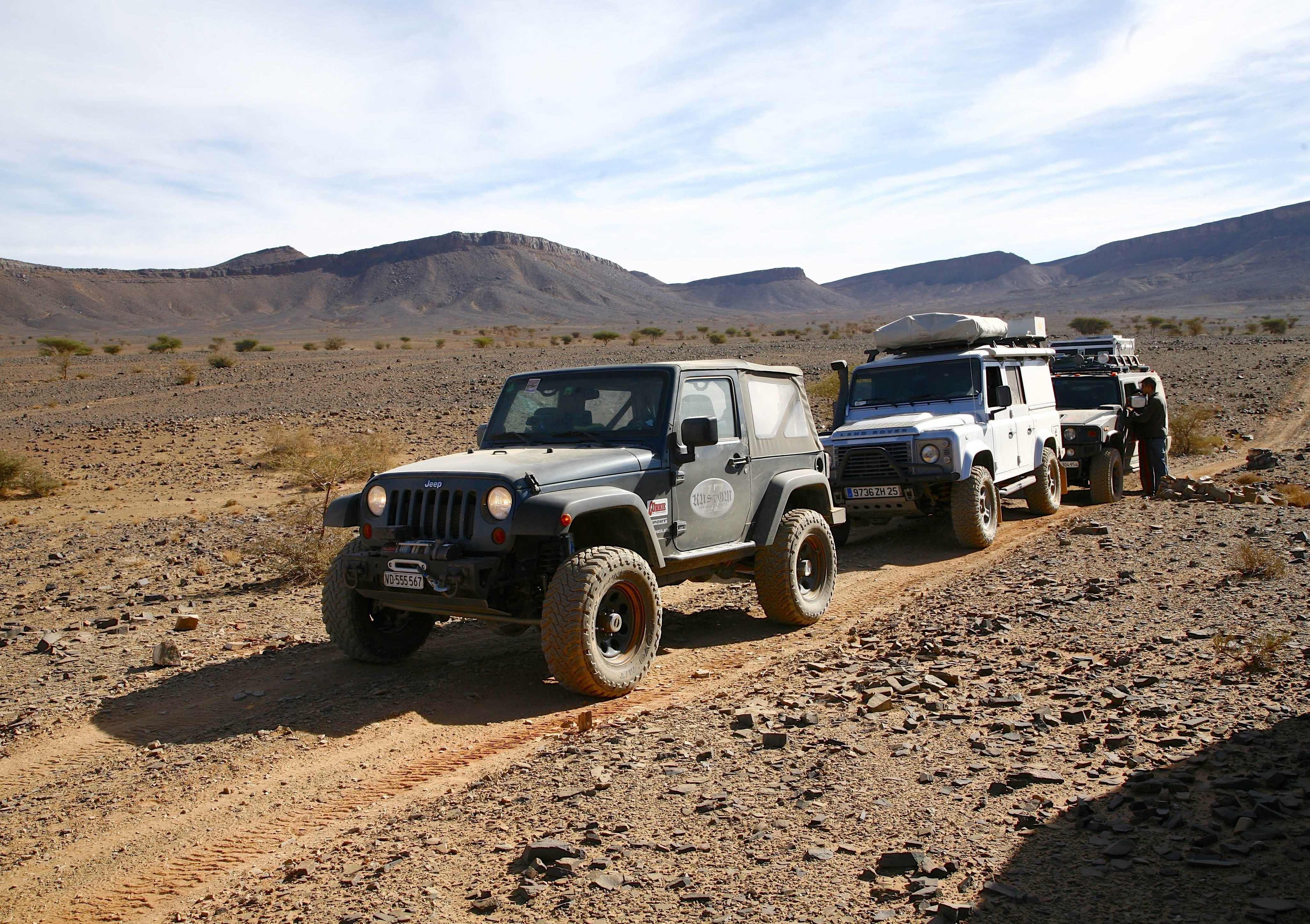

When we arrived, the first stop was the garage. As we were waiting, some of us did a little shopping at the market. After lunch, we learned that it would take more time to repair the steering, and we decided to split the group again. There was another section of track we could take near Alnif northeast of Tazzarine. The rest of the group would drive directly to Nador on the highway once the car was repaired.
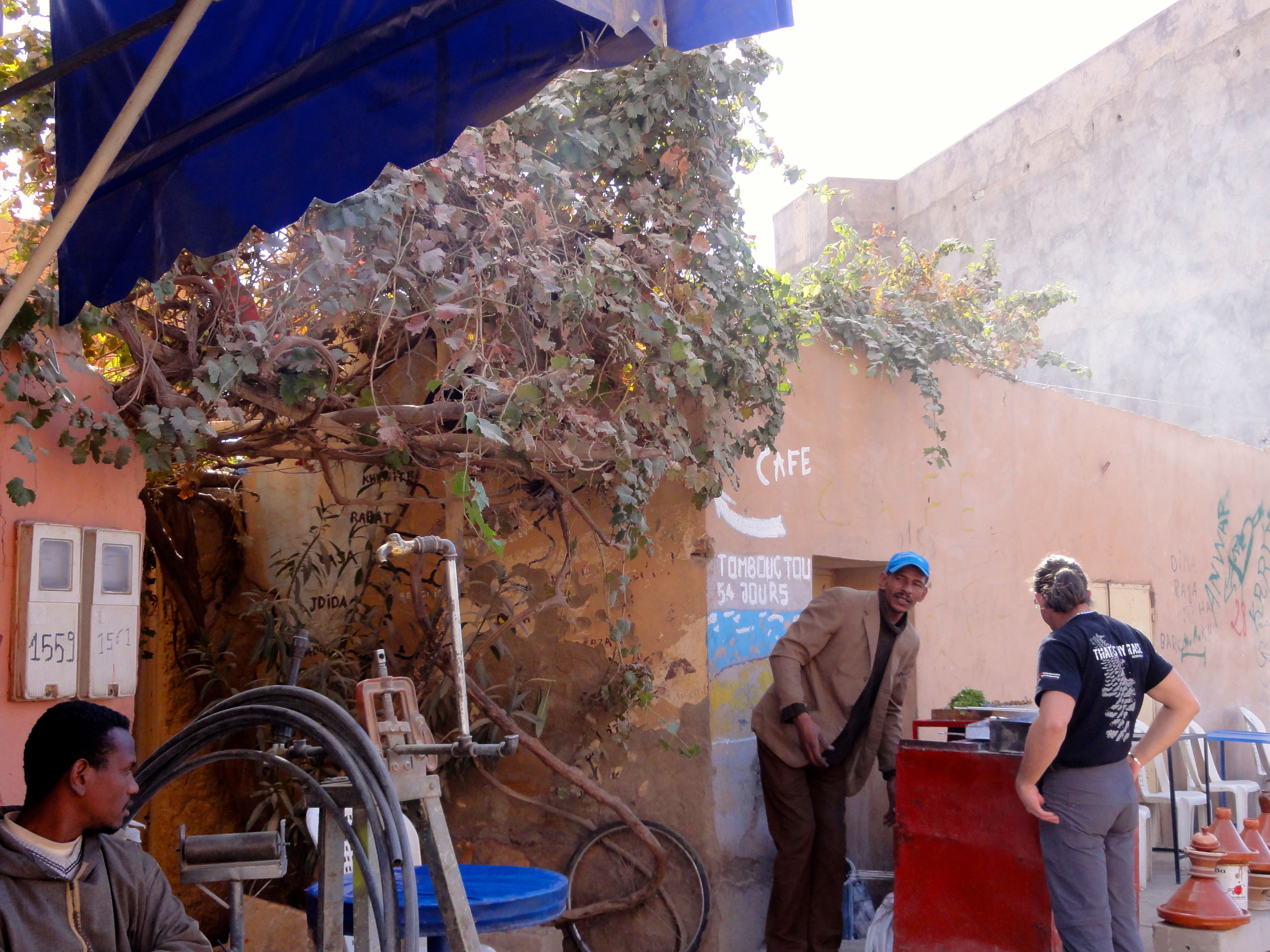
Cropped zoom.

When we got to Alnif, we realized that the track we wanted to take had since been paved, so we continued to Errachidia. We arrived about an hour before dusk. We had planned to continue past the Gorges of the Ziz before starting off road again to find a good spot for a bivouac. It was already rather cold in the foothills of the Atlas, so we opted to spend the night at a local hotel in RIch instead.
The next day we set out in search of a track to the northeast that lead through a river bed. Some of the people in our group had driven through it during Stage 2 of the Tuareg Rallye earlier this year. It was foggy in the morning, and we missed the turn after Nzala and had to double-back. As we left the road, the fog was starting to lift and we passed a number of people and several villages.

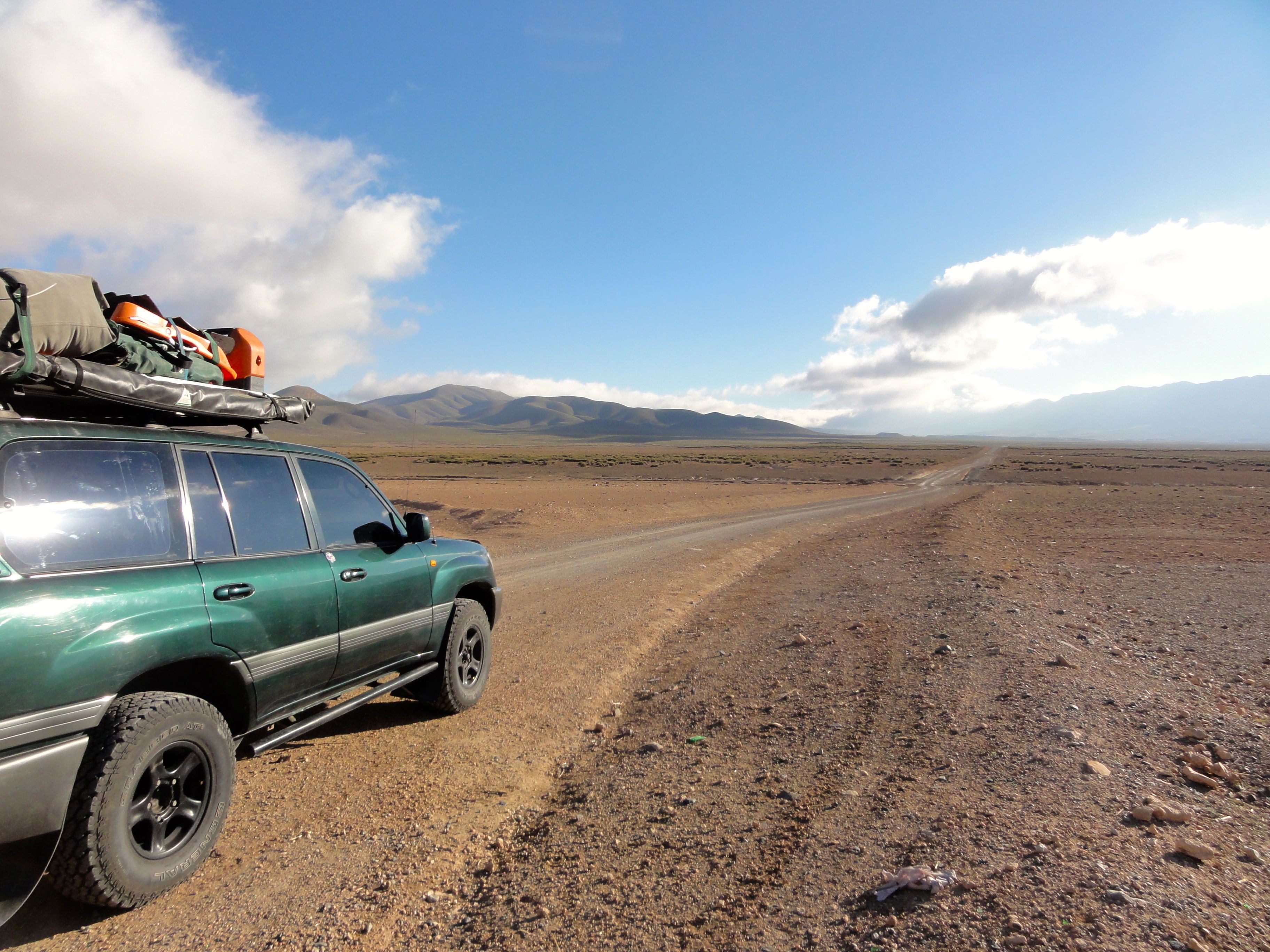
After giving a man a lift to a neighboring village, he invited our entire group to his house for tea. As we left, the sun was starting to break through the clouds. It was cold and windy, and the terrain was rocky and uneven, but the drive through the gorge was lovely. We had followed the service route and taken the highway during the Tuareg Rallye so it was interesting to see where the race had passed.
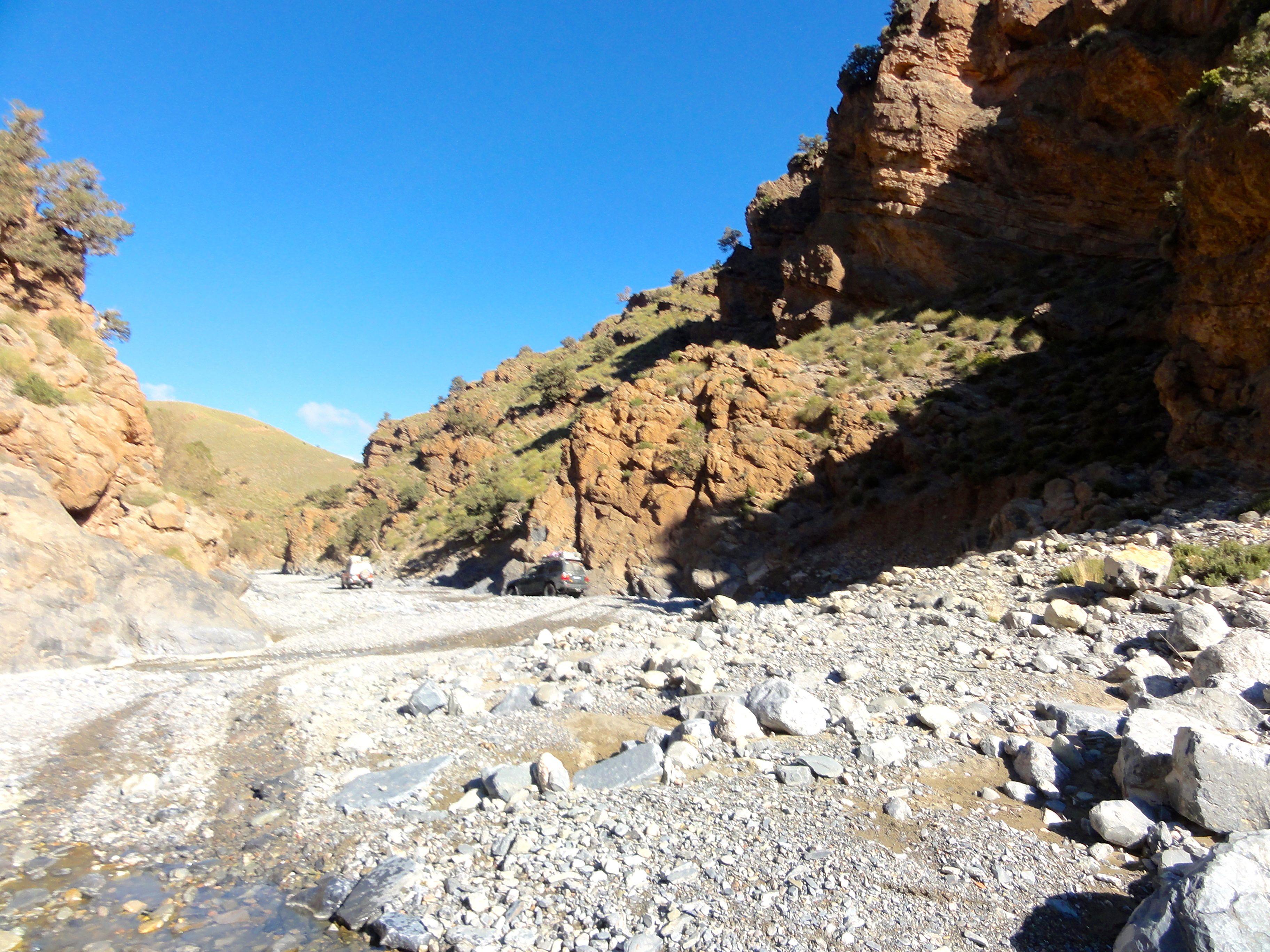

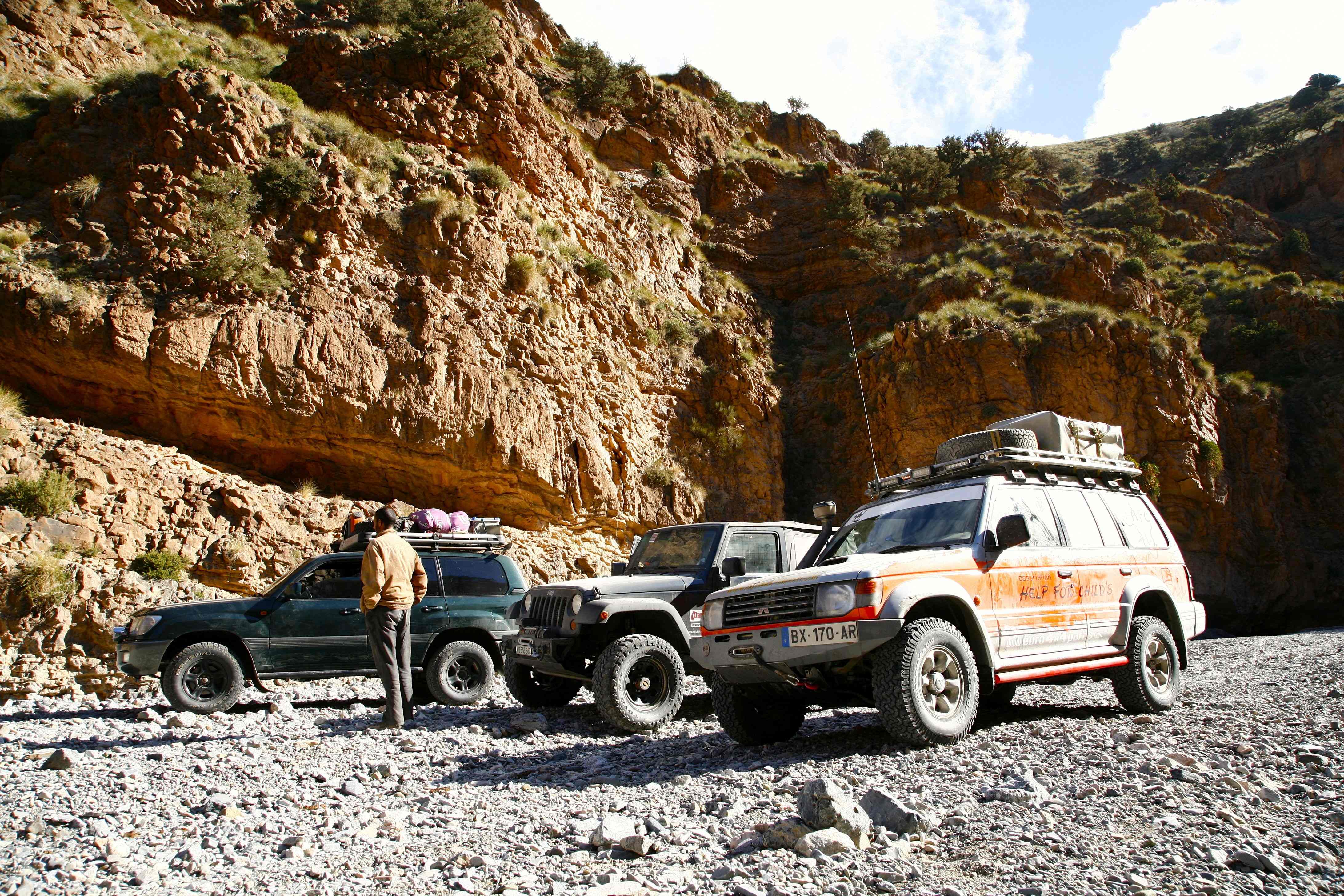

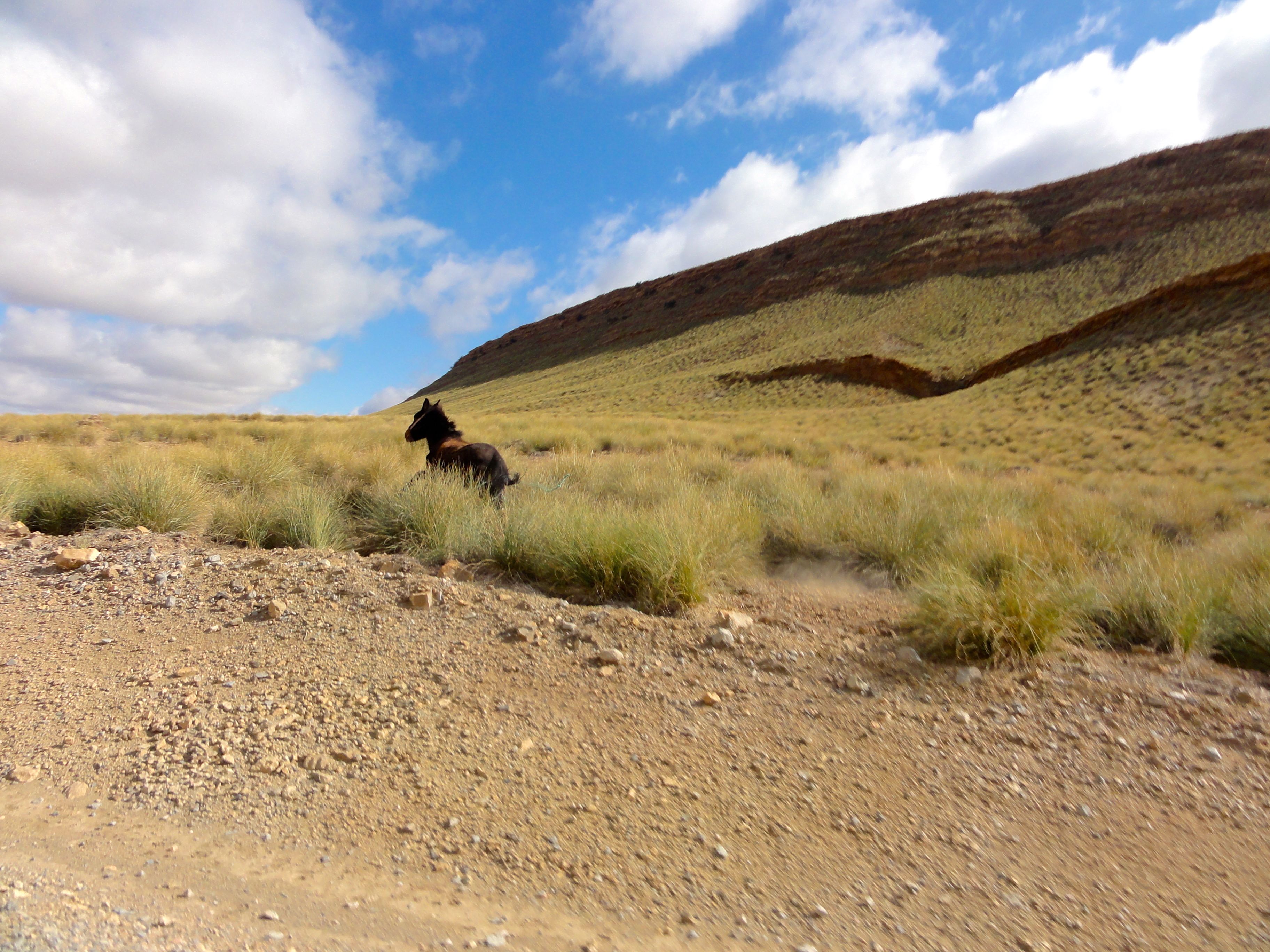
Once we were through the gorge, the track was fast again and we were treated to an immense landscape of beige sands, bright green scrub, clear blue skies and puffy clouds. Soon we came to the highway, but the bright scenery made up for the fact that we had to get back on the road.


We arrived in Nador late in the evening and had dinner with our friends at a restaurant not far from the hotel. When we got back the hotel walls were vibrating from the music in the disco on the top floor. We were tired, but it wasn’t easy to fall asleep with the noise and the lingering emotions from the week. In three days we’d be home and following the final stages of the Africa Eco Race online. We’d also have our own rally preparations to begin.
Go back to Part 1 and the post index.
January 21, 2013 3 Comments
The temperature at the bivouac near Tagounite was a little warmer than the previous nights, and we slept comfortably despite the faint noise of the generators powering the lights and power tools at the Africa Eco Race just over a kilometer away. At one point, the noise seemed to get a little louder and then sometime in the dark hours of the night we noticed that it had become much more quiet.
With the anticipation of seeing the departure at the starting line, we didn’t have trouble waking up early. It was still twilight, but we saw right away that the bivouac was gone. Only a few lights remained where before there had been a small city clustered around the grid laid out by the cars and their service teams as they had arrived and set up camp after the previous day’s stage.
The starting vehicles and some of the service teams were still in place, but the big tents had been torn down and the bivouac site was empty. The Orga had packed up moved during the night to set up the camp in Oued Draa at the end of Stage 3. We rolled up our sleeping material and folded the tent as quickly as possible (a 2-second Quechua always takes much longer to fold up than you think it will). As we were finishing breakfast, we heard the first of the motorcycles at the starting line. It was 7:30am, and they had started right on time.
We packed everything away, strapped down and locked the tool cases before hurrying over to the remains of the bivouac. The first cars and trucks were just getting ready to head over to the starting line. After talking with some of our friends, we followed Tomáš as he took his Tatra to the waiting area, and we set up to watch a little of the action (see photos here and here).
We stayed for an hour or so until most of the cars and trucks had started the Stage before heading into town to visit Ali’s garage. Once again, our minds and hearts were with the drivers on their way to Oued Draa, and we were somewhat wistful that our brief encounter with the Africa Eco Race was over.
The feeling didn’t last long. As we pulled up to Ali’s garage in Zagora, the first thing we noticed was a Renault Kerax assistance truck parked across the street. They had a broken turbo and had come to Ali to for help fixing it before continuing to Oued Draa. We didn’t know it yet but this would not be the last of the race we’d see during the day.

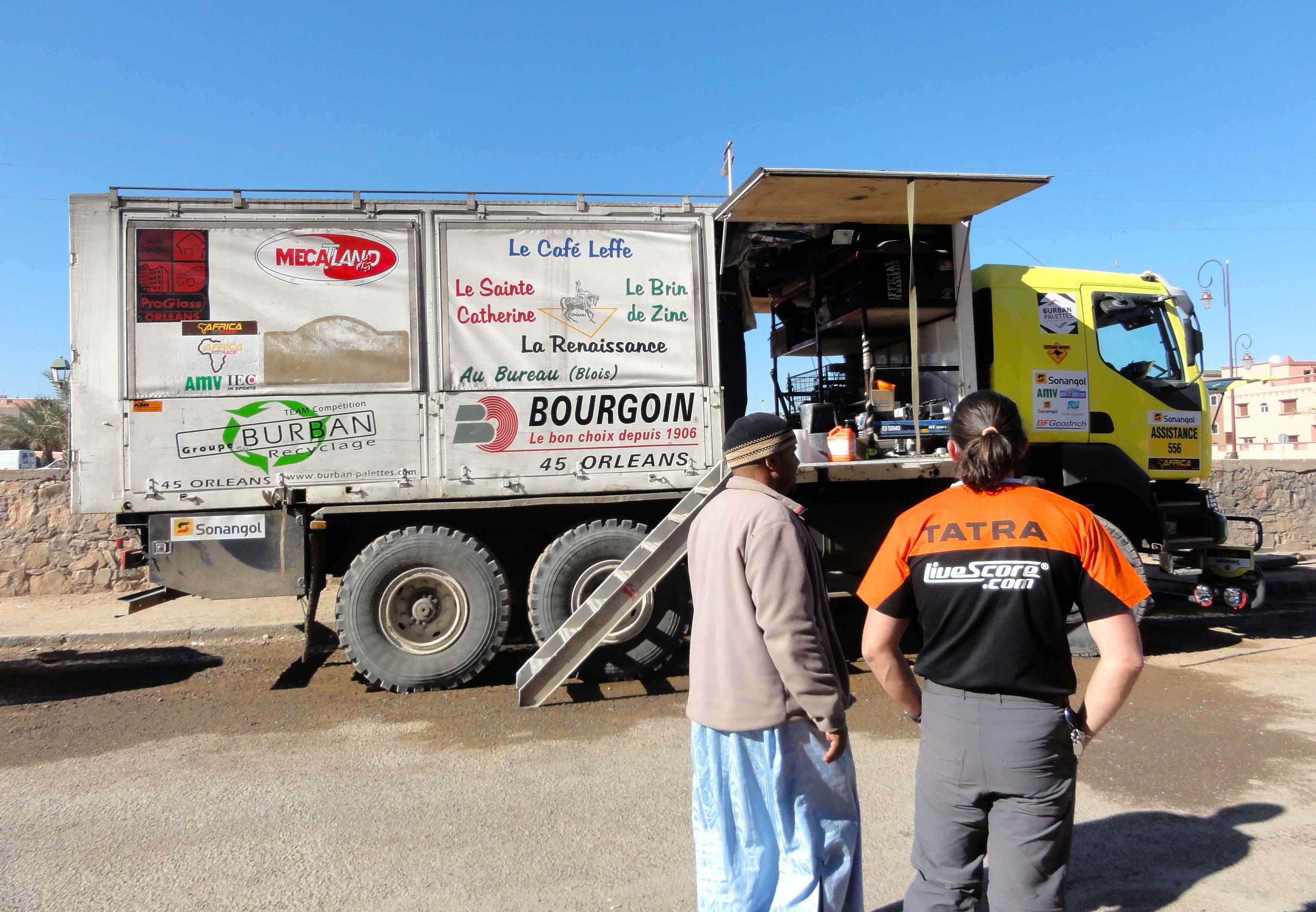
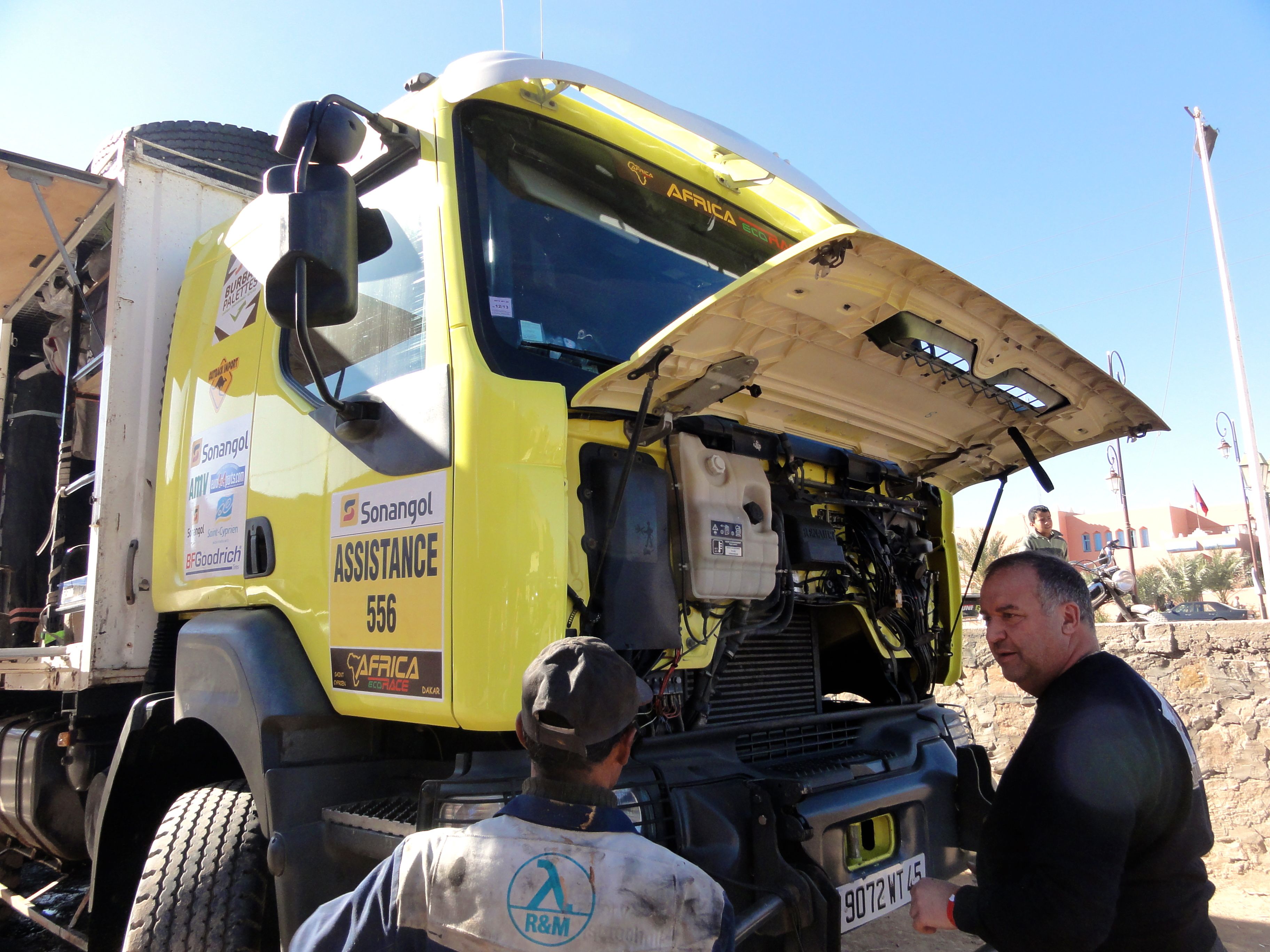
A few of the cars in our group needed repairs before starting back to Nador, and we decided it would be a good idea to have Ali’s mechanics check over all the cars to make sure there weren’t any hidden problems or damage after two days of driving on the dirt track in the traces of the rally. Our steering stabilizer was worn and had come loose so we asked them to remove it (we didn’t have any vibrations in the steering) and then to check over the suspension and chassis and give the joints a good dose of grease. They finished by giving the Jeep a good cleaning to remove most of the sand that had already infiltrated all the cracks and accumulated wherever it could.
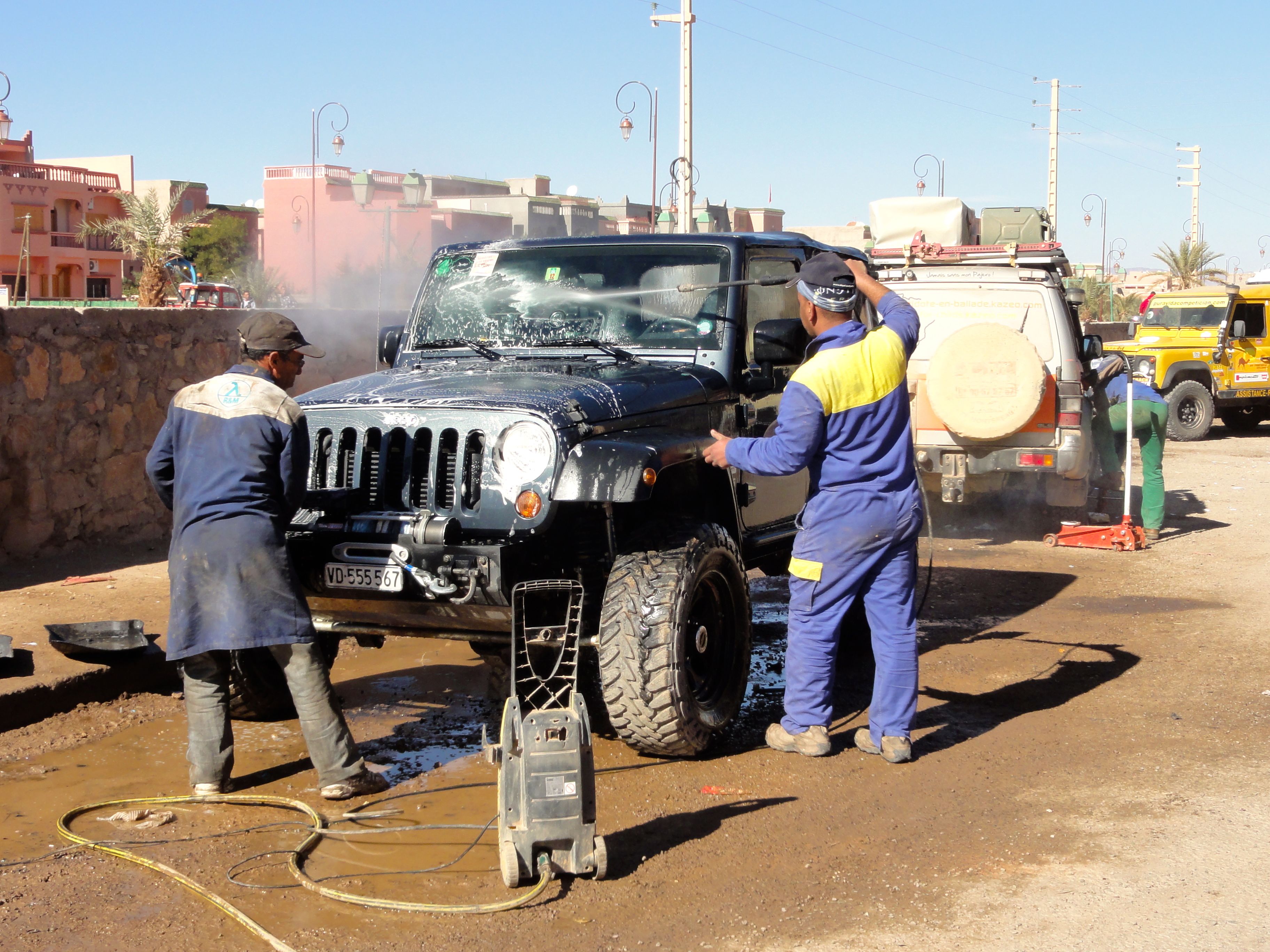
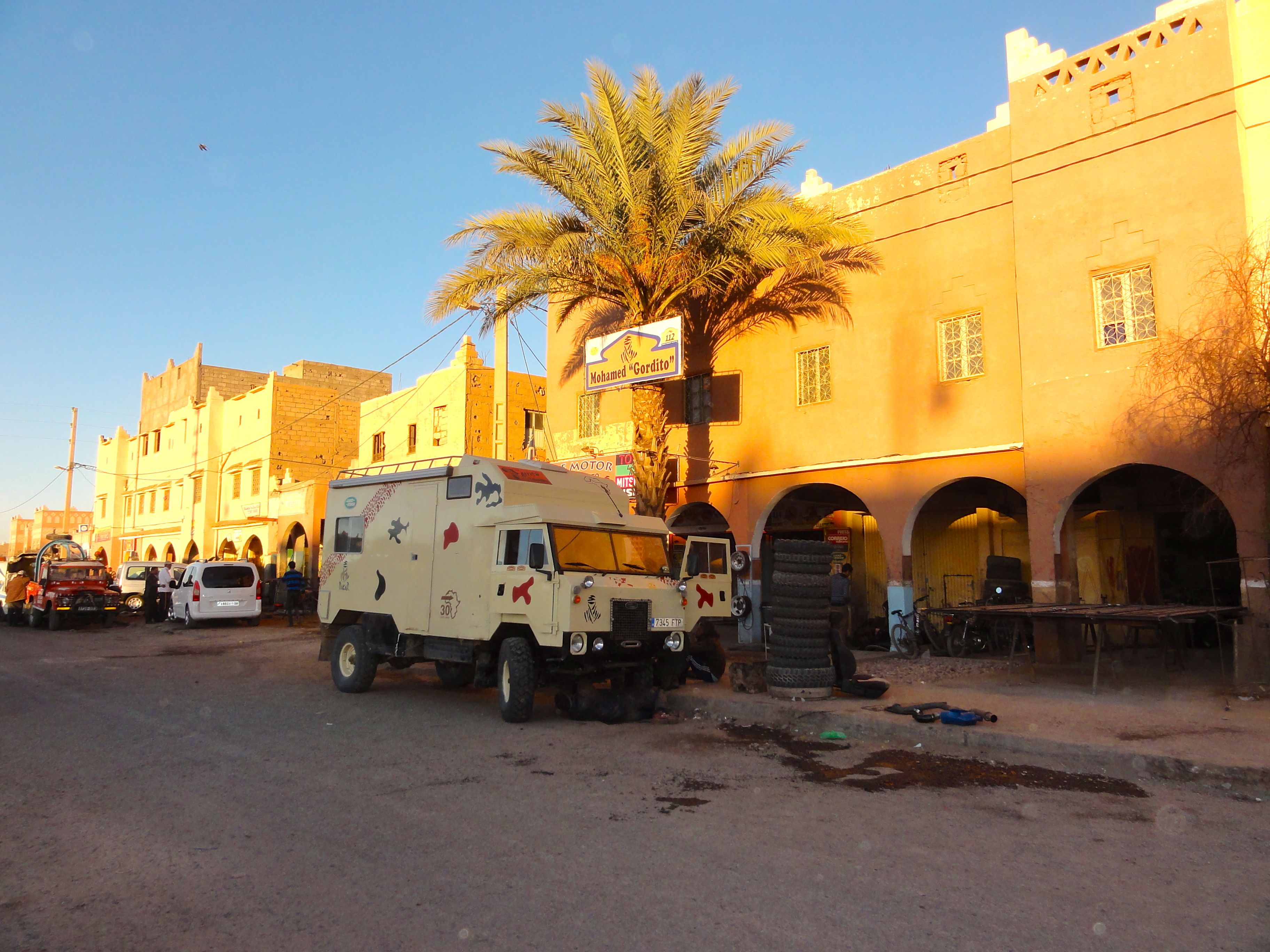
We saw lots of interesting cars while we were waiting.
Not long after we arrived, a tow truck pulled in with a VW service car from the Africa Eco Race. The service team had been in an accident on the way to the next bivouac and one of the wheels had been torn off. We didn’t hear if anyone had been hurt.

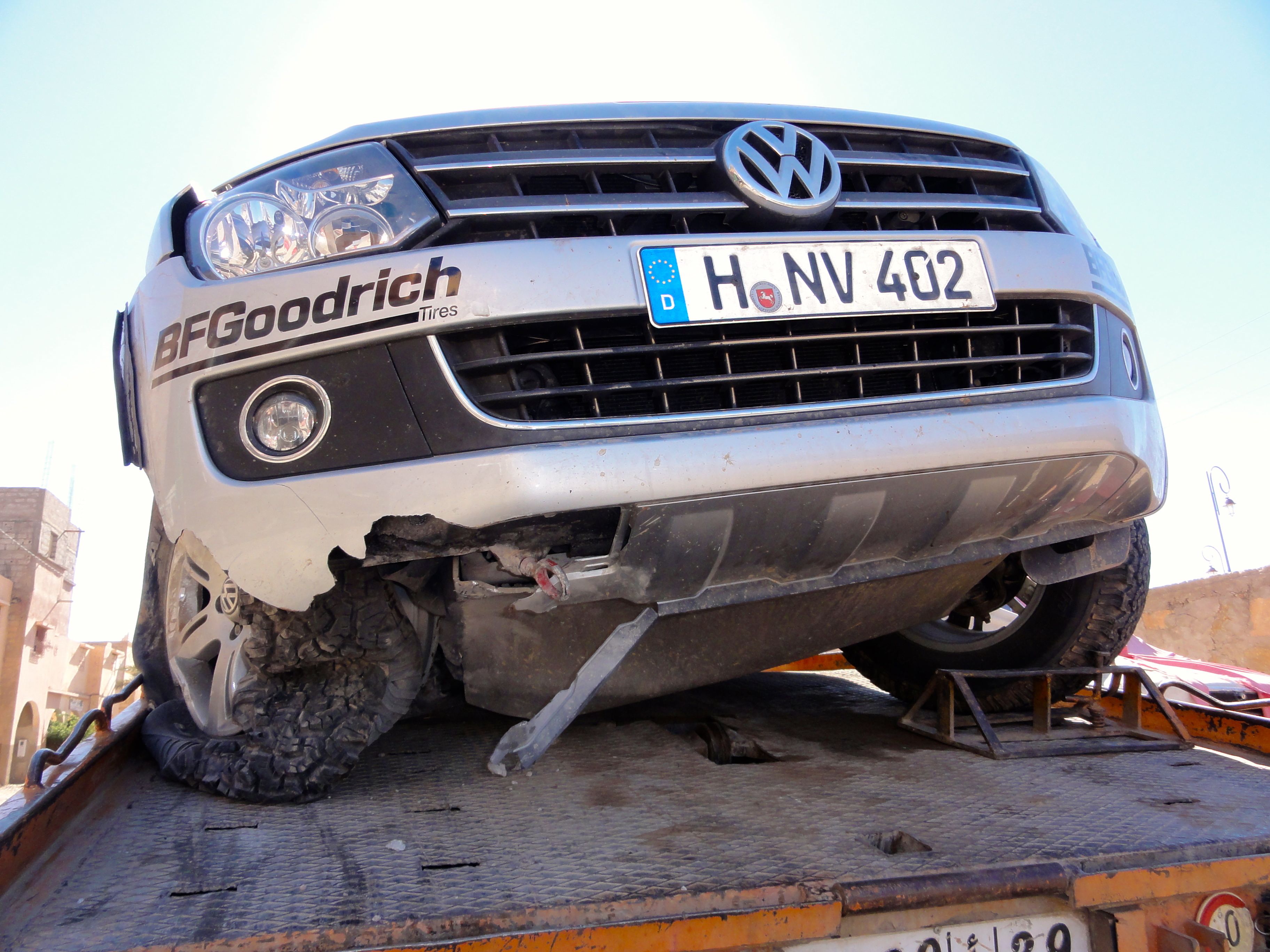

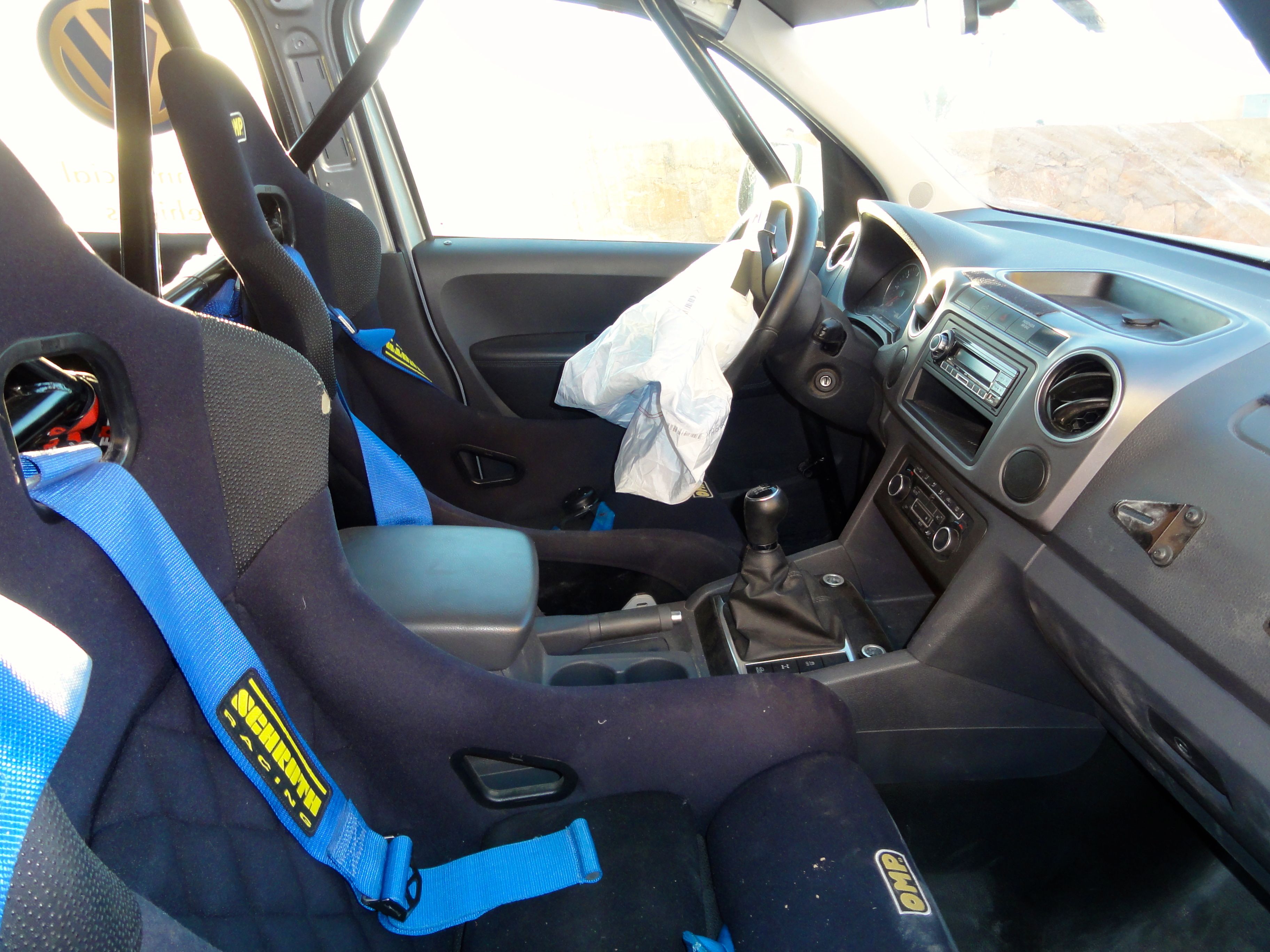
After a shower, we headed into town for lunch and a little shopping. Later in the evening when we came back to get the car, we were surprised to see the Tatra Balai 2 sweeper truck. We had not seen it at the bivouac near Tagounite because it had gone into the dunes at the start of the second stage to pick up Luc and Marlene Vidal, who had a damaged suspension and were not able to continue the stage.
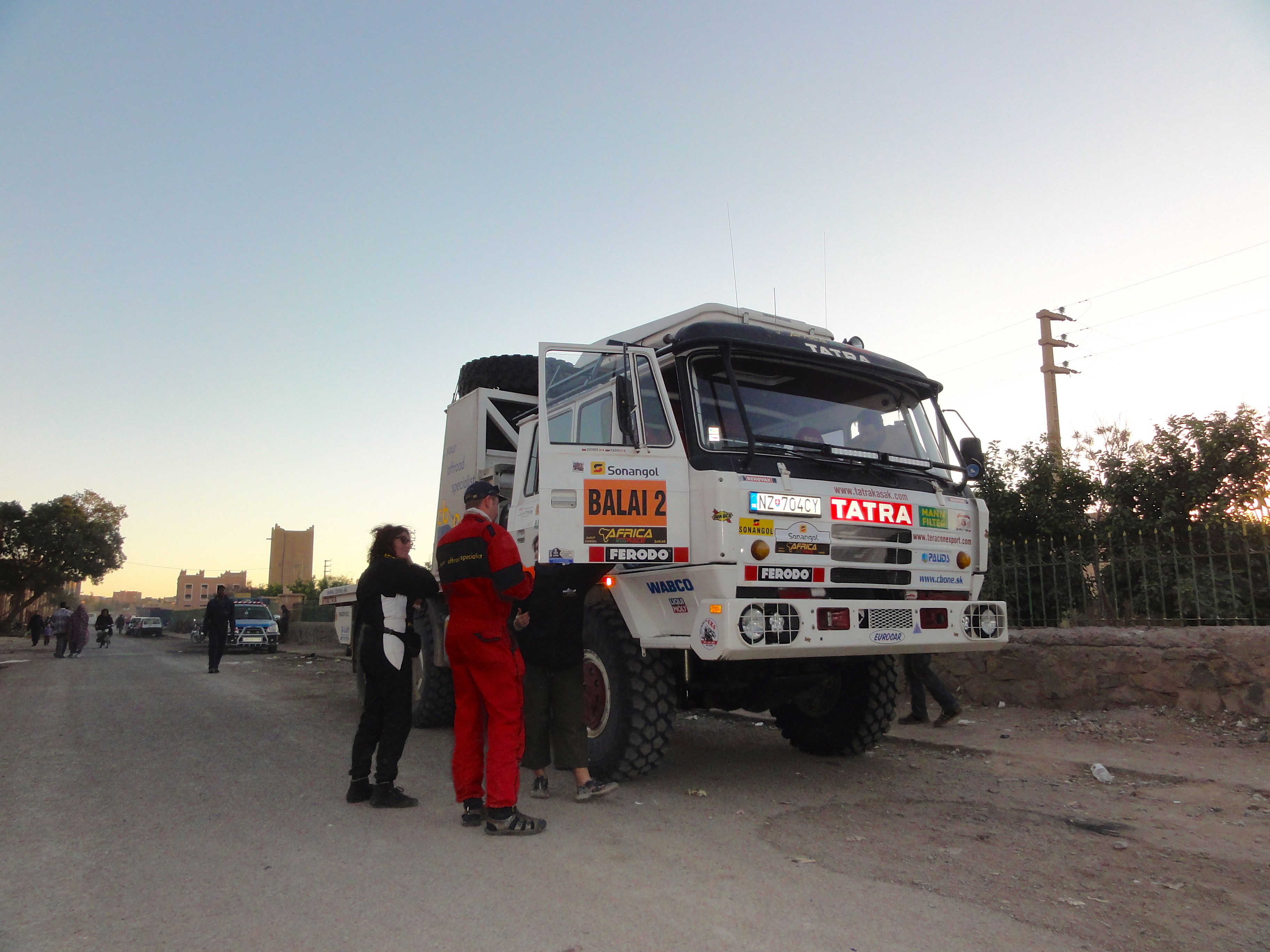


Unfortunately, the sweeper truck had not been able to find them until morning and they had slept in their Toyota HDJ 100 with an emergency blanket to keep warm when the temperatures fell below freezing overnight. The sweeper had located them soon after daylight and loaded their car for the day’s drive to Zagora where Ali would repair the suspension so they could continue to Dakar.


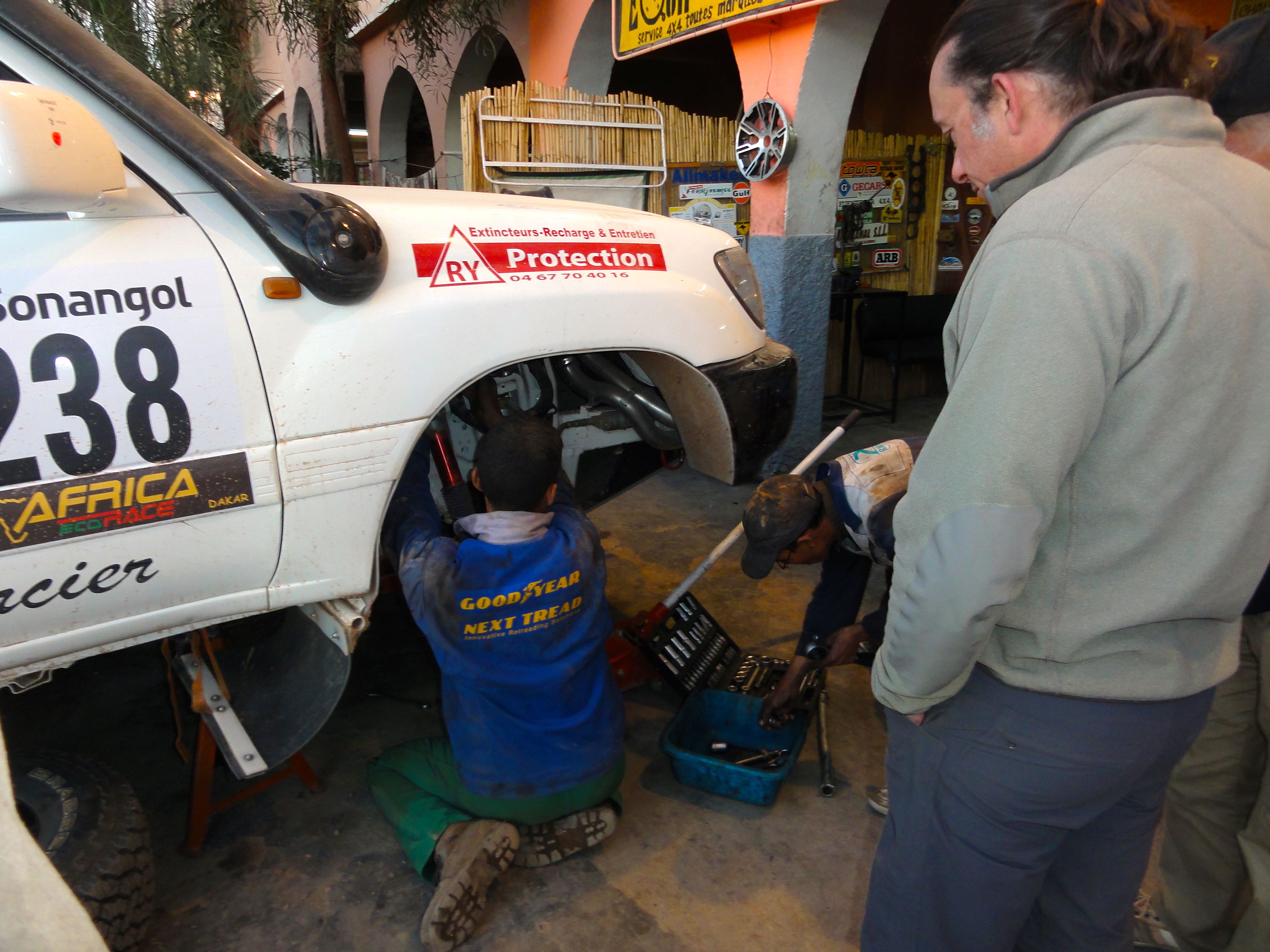
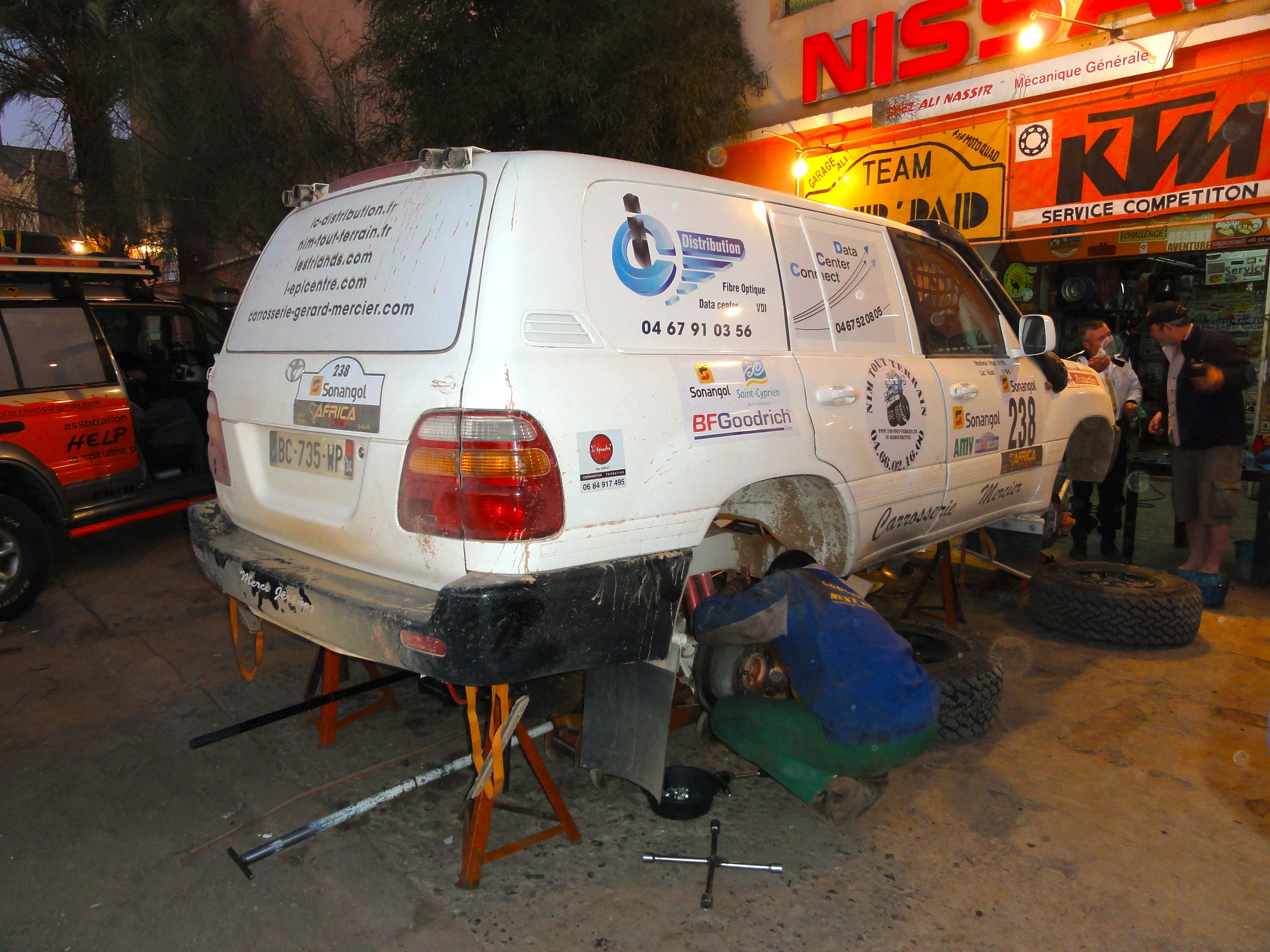
We left them at the garage around nightfall and wished them well as we headed out to a Berber camp in the dunes for our New Year’s dinner. That would be last we saw of the Africa Eco Race.
We had planned to spend New Year’s Eve in the dunes of Erg Chegaga, but since some of the cars weren’t up to the drive, we were lucky that we were able to share a camp just outside Zagora with another group. We spent a wonderful evening after dinner around the warmth of the bonfire talking, singing, and listening to the Berber musicians.

After the celebration, most of the group wanted to take it easy on New Year’s Day. We headed into town late in the morning and checked into the Hotel Sirocco around lunchtime. In the afternoon we decided to do some more training on the track of the Special Stage around Jbel Rhart. We got a late start, so we didn’t want to drive the entire stage, and we thought it would be fun to try to pick up the stage around the halfway point to practice finding the track as if we had been lost. Most of the others decided to stay in town, but one of the Hummers wanted to come with us.
There are many intersecting dirt tracks around Jbel Rhart and the afternoon practice was very instructive. We learned two very important lessons:
1. It can be almost impossible to pick up the route if you don’t know where you are. We weren’t lost, but trying to find the right track without having a known landmark or point can be almost impossible. We finally picked up the track in the roadbook near the end of the Stage, but had we been in the race, we would have probably missed some hidden checkpoints.
2. When an extremely dangerous situation is mentioned in the roadbook, if you haven’t seen it after a few hundred meters, don’t immediately assume you avoided it.
After about 20 km of navigation off track over land according to a heading, we were on the lookout for a deep ditch perpendicular to our direction of travel. After several hundred meters we didn’t see it, but ran across a smaller one. Assuming we had taken a different trajectory than mentioned in the road book, we thought we had simply missed it. We had not. At the last minute, we had to brake hard several hundred meters farther long the course to avoid hurtling straight into it. Afterwards, we realized that we had a problem with the sensor for the Terratrip and had been expecting the ditch at the wrong place.
We reached the end if the road book in the late afternoon around some small dunes southeast of Zagora and headed back to the hotel. Our group had been invited for dinner, and we had just enough time to clean up before heading back into town. The next day we’d begin the two-day drive back to Nador.
Read the next installment or go back to Part 1 and the post index.

Team info and sponsor opportunities
 Erg Machine